Introduction
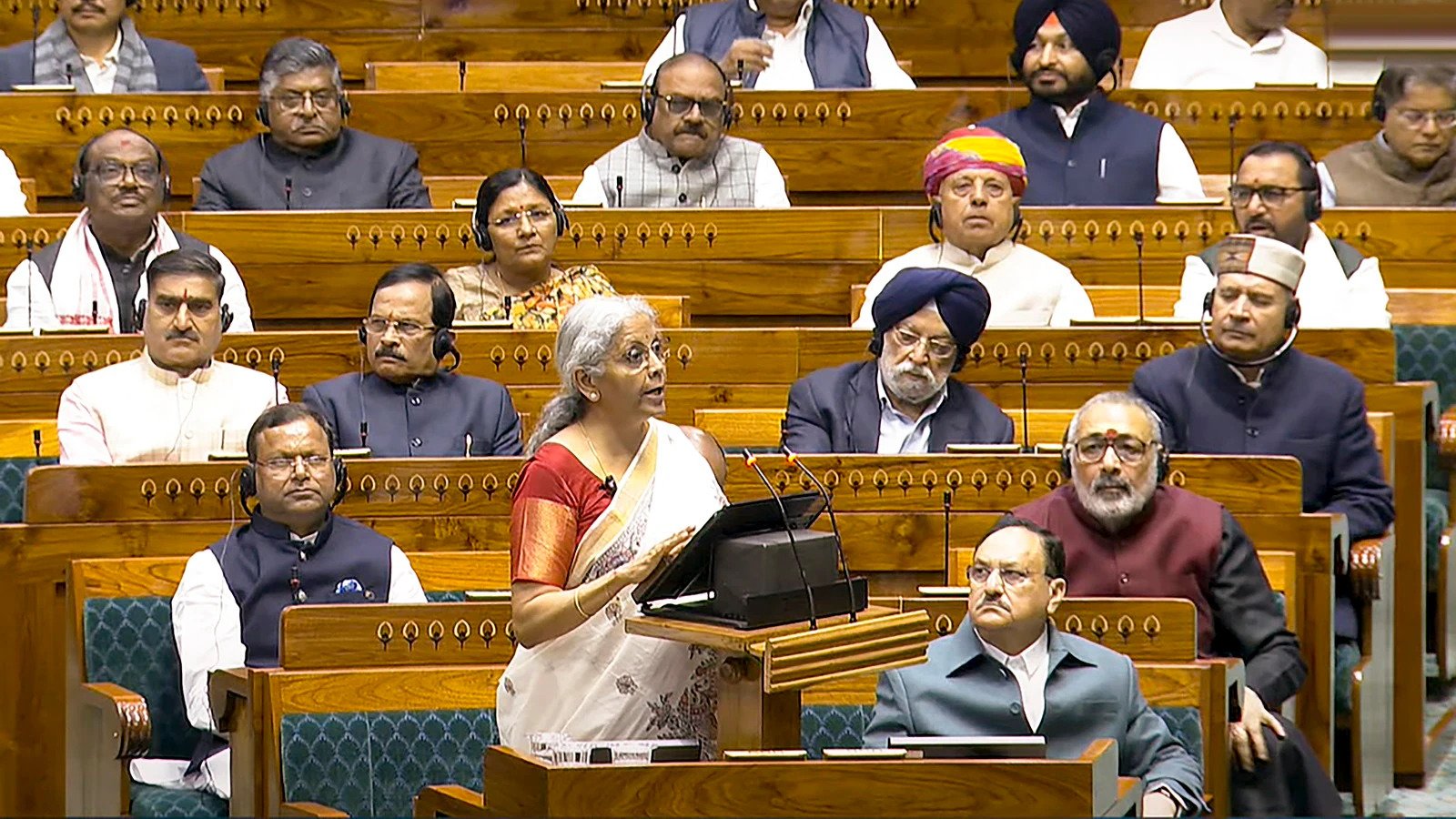
11-feb-2026, 1:45 India’s Parliament resumed its Budget Session 2026 in New Delhi amid high expectations from citizens, industry leaders, economists, and political observers. The Budget Session is one of the most significant parliamentary proceedings of the year, as it sets the tone for the country’s fiscal direction, governance priorities, and economic reforms. With global economic uncertainties, domestic growth aspirations, and rising public demands, this session carries substantial importance for shaping India’s roadmap for the coming financial year.
The discussions in this session revolve around fiscal discipline, infrastructure development, employment generation, inflation control, digital transformation, social welfare schemes, and strengthening India’s global economic position. As debates unfold in both Houses of Parliament, policymakers aim to balance growth with inclusivity while ensuring macroeconomic stability.
Significance of the Budget Session
The Budget Session is crucial because it involves the presentation, discussion, and approval of the Union Budget. It determines how public money will be raised and spent. The government outlines its revenue estimates, expenditure plans, taxation proposals, and borrowing strategies for the financial year 2026–27.
This session is not merely about numbers; it reflects the government’s broader economic philosophy. It signals priorities such as capital expenditure, welfare allocation, defense spending, green energy investment, digital infrastructure, and rural development. The debates allow opposition parties to question the government’s fiscal approach, ensuring democratic accountability and transparency.
Focus on Economic Growth and Stability
One of the central themes of this year’s Budget Session is sustaining India’s economic growth momentum while maintaining fiscal prudence. India has positioned itself as one of the fastest-growing major economies in the world. However, challenges such as global supply chain disruptions, inflationary pressures, geopolitical tensions, and fluctuating crude oil prices continue to influence economic planning.
Lawmakers are discussing measures to:
Strengthen domestic manufacturing under the Make in India initiative
Boost exports and improve trade competitiveness
Support Micro, Small, and Medium Enterprises (MSMEs)
Encourage foreign direct investment (FDI)
Expand digital and technological innovation
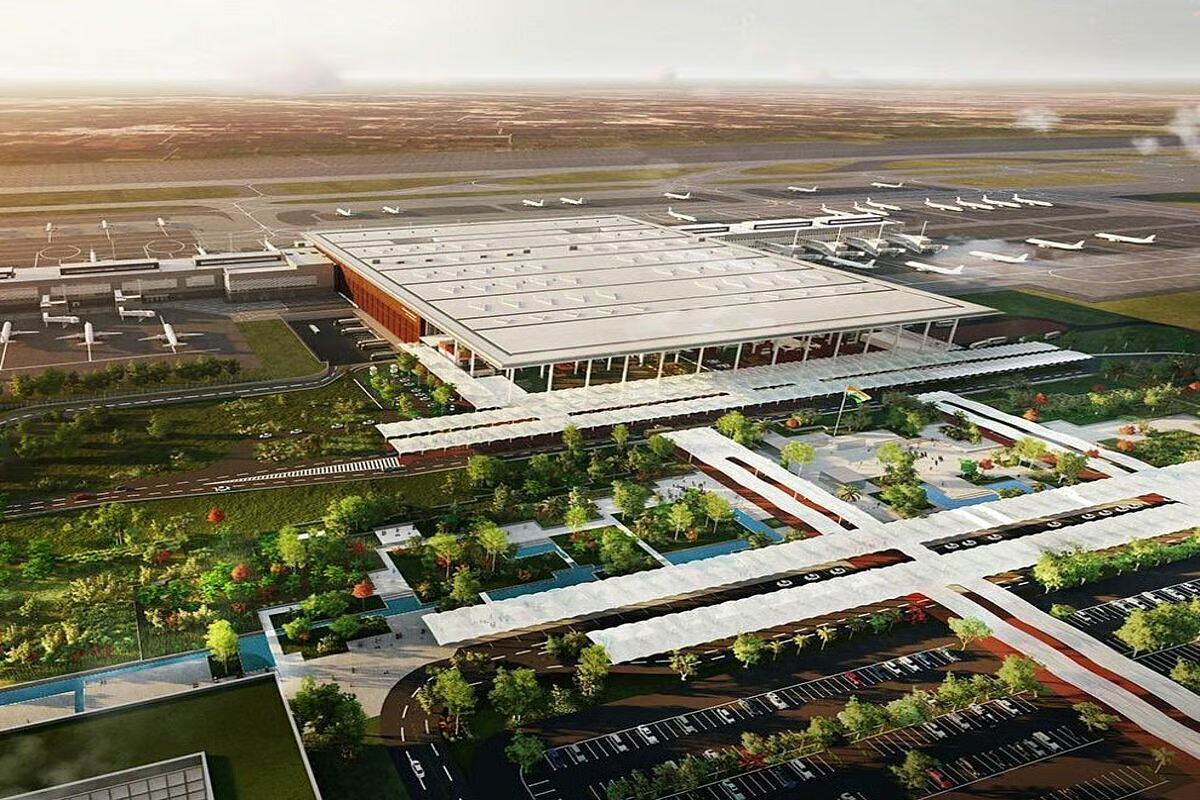
The government is also emphasizing capital expenditure on infrastructure, as investments in roads, railways, ports, airports, and logistics networks are seen as long-term growth drivers.
Fiscal Deficit and Revenue Strategy
Fiscal deficit management remains a key topic in parliamentary discussions. The government aims to gradually reduce the fiscal deficit while maintaining adequate public spending to stimulate growth. Achieving this balance requires careful tax planning, improved compliance, and rationalized subsidies.
During the session, debates are centered around:
Tax reforms and simplification
Expanding the tax base
Enhancing GST efficiency
Reducing leakages in welfare distribution
Rationalizing expenditure without harming social development
Opposition leaders are raising concerns about public debt levels, unemployment data, and inflation, demanding clearer strategies for revenue generation and spending efficiency.
Social Welfare and Inclusive Development
Another major focus of the Budget Session is inclusive development. Policymakers are discussing allocations for healthcare, education, rural development, women empowerment, and social security schemes.
Key areas under discussion include:
Strengthening public healthcare infrastructure
Improving school education quality and digital access
Expanding skill development programs for youth
Enhancing women-led development initiatives
Supporting farmers through credit access and technology
With India’s large and diverse population, ensuring that growth benefits all sections of society remains a top priority. The government is expected to highlight schemes targeting rural livelihoods, affordable housing, and direct benefit transfers.
Employment and Skill Development
Employment generation is one of the most debated topics in this session. As India continues to witness a growing youth population, job creation has become central to economic planning. Members of Parliament are discussing strategies to boost formal employment, encourage entrepreneurship, and strengthen startup ecosystems.
There is a focus on:
Expanding production-linked incentive (PLI) schemes
Promoting green jobs in renewable energy sectors
Strengthening vocational training
Supporting gig and digital economy workers
Encouraging innovation-driven enterprises
The government aims to align skill development programs with industry requirements to bridge the employment gap.
Digital Economy and Innovation
India’s digital transformation journey is another highlight of parliamentary discussions. The government continues to promote digital payments, fintech innovation, artificial intelligence, semiconductor manufacturing, and cybersecurity infrastructure.
The Budget Session is examining policies that:
Expand digital public infrastructure
Support AI and emerging technologies
Enhance data protection frameworks
Promote startup funding and incubation
Encourage research and development
Lawmakers emphasize that technological advancement will be a key pillar in achieving India’s long-term economic ambitions.
Green Growth and Sustainable Development
Climate change and sustainability have become integral to economic planning. During the session, Parliament is discussing green growth initiatives such as renewable energy expansion, electric mobility promotion, green hydrogen missions, and carbon reduction strategies.
Budget allocations for solar energy, wind power, electric vehicle infrastructure, and climate-resilient agriculture are being examined closely. Policymakers aim to balance economic development with environmental responsibility, ensuring sustainable progress.
Political Dynamics and Democratic Debate
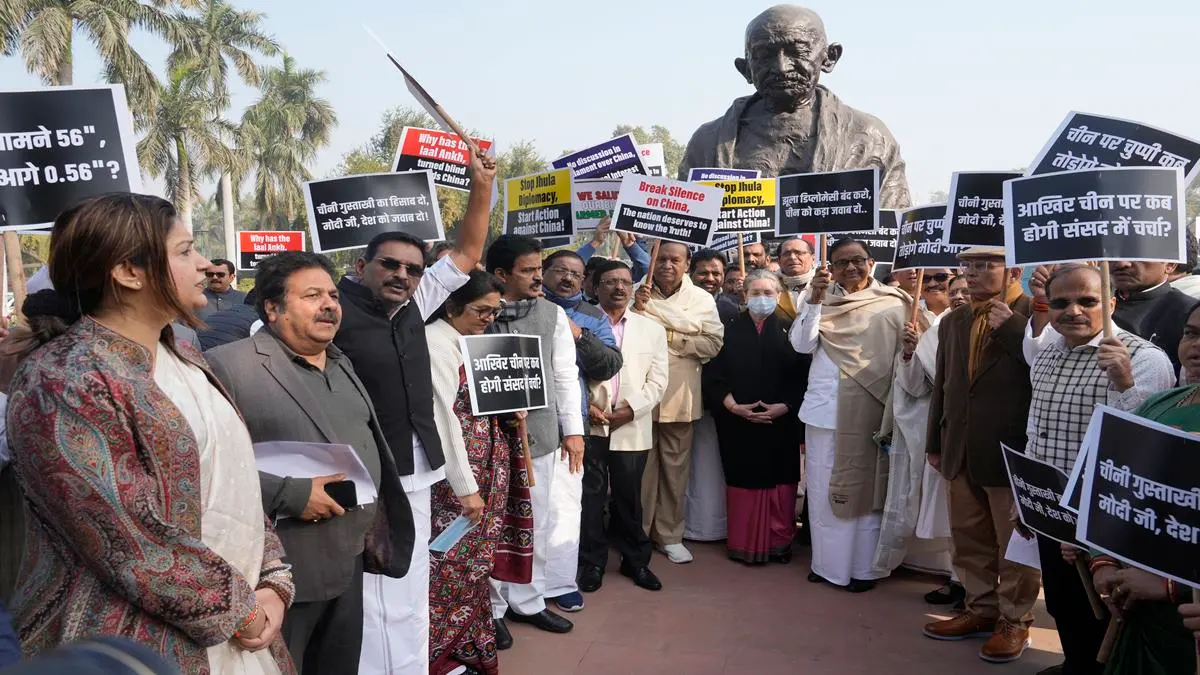
Beyond economic policies, the Budget Session reflects India’s democratic vibrancy. The ruling party presents its vision and fiscal roadmap, while opposition parties critically evaluate the proposals. Heated debates, policy critiques, and constructive suggestions characterize the proceedings.
Political observers note that this session could influence public perception ahead of upcoming electoral cycles. Therefore, transparency, accountability, and responsiveness to public concerns remain central to discussions.
Global Context and India’s Position
India’s economic decisions are increasingly linked to global trends. Trade negotiations, geopolitical alignments, energy security, and global investment flows play a crucial role in shaping domestic policy. Parliamentarians are also addressing how India can strengthen its position in global supply chains and multilateral institutions.
With international investors closely watching India’s fiscal signals, the outcomes of this Budget Session may influence foreign investment sentiment and credit ratings.
Conclusion
The resumption of the Budget Session 2026 marks a pivotal moment for India’s economic governance. As Parliament debates fiscal strategies, social welfare policies, employment initiatives, and sustainable growth measures, the decisions taken will shape the country’s financial trajectory for the year ahead.
This session underscores the importance of balancing growth with inclusivity, innovation with stability, and ambition with responsibility. Whether through infrastructure expansion, digital transformation, or welfare reforms, the policies emerging from this Budget Session will significantly impact businesses, citizens, and India’s global standing.
As discussions continue in New Delhi, stakeholders across sectors remain attentive to policy announcements and legislative outcomes. The Budget Session is not just a constitutional formality—it is a defining process that charts India’s economic and governance priorities for the future.
source : ANI