Political Symbol Sparks Free Speech Debate at 2026 Winter Olympics
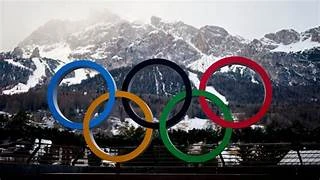
16-FEB-2026, 2:35 PM The 2026 Winter Olympics have found themselves at the center of an unexpected political controversy after a Ukrainian athlete was disqualified for wearing a helmet bearing a politically symbolic message. The incident has reignited a long-standing debate over free speech, neutrality, and the role of politics in international sporting events.
What Happened?
During a high-profile event at the 2026 Winter Olympics, a Ukrainian competitor appeared wearing a helmet featuring a symbol widely interpreted as a political statement related to the ongoing conflict in Eastern Europe. Olympic officials deemed the display a violation of competition rules prohibiting political messaging and subsequently disqualified the athlete.
While organizers did not immediately elaborate in detail, they cited regulations rooted in the Olympic Charter, which aims to preserve political neutrality at the Games. The decision was swift — and controversial.
The Olympic Rulebook on Political Expression
The International Olympic Committee (IOC) has long maintained that the Olympic Games must remain politically neutral. Rule 50 of the Olympic Charter restricts any “demonstration or political, religious or racial propaganda” in Olympic venues, competition areas, and medal ceremonies.
Over the years, enforcement of this rule has sparked repeated debates. The IOC argues that the Games should unite athletes and nations, not divide them through geopolitical disputes. Critics, however, say the policy often suppresses legitimate expressions of identity, solidarity, or protest.
In this case, the Ukrainian athlete’s helmet symbol was interpreted as a political message rather than a personal or cultural expression — prompting disciplinary action.
A Wider Geopolitical Context
The controversy cannot be separated from the broader geopolitical tensions shaping global discourse. Since the escalation of conflict between Ukraine and Russia, sports arenas have increasingly become symbolic battlegrounds.
Athletes from affected regions often carry personal stories of displacement, loss, and national pride. For many, sport is not isolated from politics — it is deeply intertwined with identity and survival.
Supporters of the Ukrainian athlete argue that wearing the symbolic helmet was not an act of political agitation, but rather an expression of solidarity and remembrance. Critics counter that allowing such displays would open the floodgates to competing political statements from athletes across the globe.
Free Speech vs. Neutrality
The heart of the debate lies in a fundamental question: Should athletes have the right to express political views on the Olympic stage?
Advocates for free expression argue that athletes are not merely competitors — they are individuals with voices and values. The Olympics, being one of the largest global platforms, inevitably intersect with world affairs. Attempting to insulate sport from politics, they say, is unrealistic.
On the other hand, defenders of the IOC’s stance insist that without strict neutrality, the Games could devolve into a politically charged arena. If one athlete is allowed to make a symbolic gesture, others may follow, potentially escalating tensions between delegations and nations.
Reactions from Around the World
The disqualification has drawn mixed international reactions. Ukrainian officials expressed disappointment, calling the decision insensitive given the country’s circumstances. Human rights advocates have also weighed in, questioning whether symbolic gestures should warrant such strict penalties.
Meanwhile, some national Olympic committees have supported the IOC’s enforcement of its rules, emphasizing the importance of maintaining consistent standards.
Social media has amplified the debate, with hashtags trending globally within hours of the announcement. Many fans see the issue as part of a broader conversation about freedom of expression in international institutions.
A Pattern of Olympic Protests
This is not the first time political symbolism has made headlines at the Olympics. Throughout history, athletes have used the Games as a stage for protest — from civil rights gestures to silent demonstrations and symbolic apparel.
Each incident forces the IOC to walk a delicate line between upholding its regulations and responding to evolving global norms around speech and activism.
The 2026 case highlights how modern conflicts and digital amplification have intensified scrutiny. In an era where every action is instantly shared worldwide, even subtle symbolism can trigger diplomatic ripples.
What Comes Next?
The Ukrainian athlete’s team may appeal the decision, though success would depend on how the rules are interpreted. If upheld, the disqualification could reinforce the IOC’s strict application of Rule 50. If reconsidered, it might signal a shift toward more flexible guidelines on symbolic expression.
More broadly, the incident may prompt renewed discussions about updating Olympic policies to reflect contemporary realities. Some experts suggest designated zones or times where athletes can express views without disrupting competition.
The Bigger Question
Ultimately, this controversy underscores a recurring tension in global sport: Can the Olympics truly remain apolitical in a deeply interconnected and polarized world?
For some, the Games symbolize unity beyond politics. For others, they are inseparable from the global context in which they occur. The Ukrainian helmet controversy has ensured that this debate will continue long after the closing ceremony.
As the 2026 Winter Olympics unfold, organizers, athletes, and fans alike are left grappling with a difficult balance — between the spirit of sport and the realities of the world it reflects.