18-feb-2026, 3:16 pm In a dramatic escalation of geopolitical maneuvering, the United States has significantly increased its military presence in the Middle East by deploying over 50 advanced fighter jets—including F-22s, F-35s, and F-16s—just as nuclear negotiations with Iran have resumed in Switzerland.
This dual track of diplomacy and military reinforcement underscores how grave and delicate the situation has become. While both sides continue to hold indirect talks aimed at curbing Tehran’s nuclear ambitions, the U.S. is signalling strength and readiness should diplomatic efforts falter.
A Deepening Military Posture
According to flight tracking data and officials cited by media outlets, the United States moved more than 50 fighter jets toward bases in the Middle East in a swift buildup over roughly 24 hours. The aircraft included top-tier combat jets such as F-22 Raptors, F-35 Lightning II stealth fighters, and seasoned F-16s, along with aerial refueling tankers that suggest preparations for sustained operations—from air dominance to rapid deployment capability.
The scale and speed of this deployment mark one of the largest redistributions of U.S. airpower to the region in recent months, even as U.S. and Iranian officials convene another round of nuclear talks.
Why This Matters Now
The timing of the buildup is significant. Talks between U.S. and Iranian diplomats have resumed in Geneva, with negotiations described by some officials as showing “progress” on guiding principles for a future agreement.
Yet the military reinforcement suggests that Washington remains wary of purely diplomatic outcomes. The underlying tension stems from longstanding U.S. concerns over Iran’s potential pursuit of nuclear weapons capability, a matter that has dominated Middle East geopolitics for decades and often involved regional actors like Israel, Gulf states, and European partners.
Deploying such a large contingent of jets sends a clear message: the United States wants to be prepared for a range of outcomes—from successful diplomacy to potential conflict escalation.
A Show of Force or Strategic Deterrence?
Analysts describe this kind of deployment as a “show of force” designed to bolster deterrence. In other words, the United States is reinforcing its military footprint not necessarily to provoke conflict but to discourage adversarial action that could undermine diplomatic progress or destabilise the region further.
The fighter jets, each capable of carrying advanced weapons systems and performing a variety of tactical roles, are among the most capable in the U.S. arsenal. Their presence effectively raises the stakes by reminding Tehran—and its regional partners—that Washington has both the reach and capability to respond swiftly to threats.
Nuclear Talks: Progress Meets Pressure
Although the United States and Iran have held indirect talks to address Tehran’s nuclear program, progress remains tentative. Reports indicate that negotiators have agreed on some broad principles, but significant gaps remain on core issues, including limits on uranium enrichment and verification mechanisms.
U.S. Vice President JD Vance has stated that Tehran has not fully acknowledged key U.S. “red lines,” even as negotiators have agreed on a framework for discussion.
On the other side, Iranian leadership has simultaneously conducted military drills and expressed steadfast positions about its defence capabilities. This combination of diplomatic engagement with clear displays of strength adds complexity to the negotiation environment.
The Middle East remains one of the most volatile geopolitical hubs in the world. The deployment of U.S. jets impacts several key areas:
1. Regional Security Posture
The influx of advanced fighter aircraft enhances U.S. air and strike capabilities in proximity to Iran and U.S. allies in the region. This affects calculations by regional powers such as Israel, Saudi Arabia, and Gulf Cooperation Council members who balance their own security strategies amid Iranian influence.
2. Oil Markets and Global Economy
The Middle East is home to critical energy corridors, including the Strait of Hormuz, through which a substantial portion of global oil shipments transit. Heightened military activity near these waterways can impact global markets, insurance rates for oil tankers, and worldwide energy security calculations.
Notably, Iran has staged military drills in the Strait of Hormuz—part of its own response to regional tensions—complicating navigational and economic stability.
3. Diplomacy Under Duress
Deploying such military forces while talks proceed reflects the duality of modern diplomacy: engagement with simultaneous economic and military signalling. It reinforces the notion that securing an agreement on nuclear restrictions is as much about perception and deterrence as it is about negotiation text.
U.S. Domestic and International Reactions
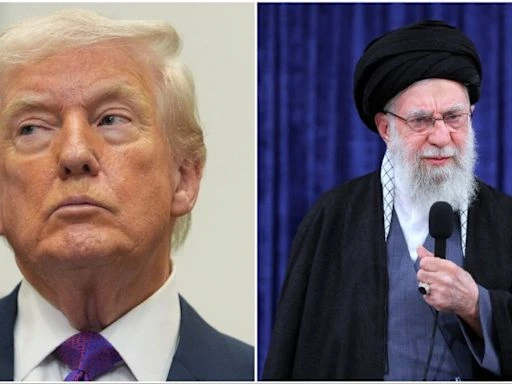
Domestically, U.S. leadership seeks a balance between diplomatic resolution and military preparedness. President Donald Trump and his administration have stressed the need to prevent Iran from achieving any nuclear weapons capability while signalling willingness to negotiate if Tehran is forthcoming.
Internationally, allies are watching carefully. European partners traditionally favor a diplomatic solution, while regional powers like Israel have been more sceptical of Iran’s intentions and supportive of a robust U.S. military presence.
Looking Ahead: What to Expect
As talks continue, the dynamics of military deployment and diplomatic engagement will likely evolve in parallel:
Further Negotiation Rounds: Talks between Iranian and U.S. delegations may continue in the coming weeks as both sides refine proposals.
Military Readiness: The U.S. fighter jets and accompanying naval assets will likely remain vigilant, depending on diplomatic progress and regional signals.
Regional Response: Iran and allied groups in the Middle East may adjust their own military postures in response, potentially leading to more exercises or strategic movements.
The interaction between diplomacy and military deployment reflects a deeper truth of international relations: power projection and negotiation often go hand in hand.
Conclusion
The United States’ deployment of over 50 fighter jets to the Middle East alongside renewed nuclear negotiations with Iran highlights the complex interplay between diplomacy and military strategy. While talks in Geneva aim to find common ground on Iran’s nuclear ambitions, the simultaneous bolstering of military assets underscores persistent concerns and deterrence strategies.
The situation remains fluid, with diplomatic, economic, and security implications extending far beyond the negotiation table. What ultimately emerges from these parallel tracks—peaceful agreement or continued tension—will significantly shape geopolitical relations in the Middle East and beyond in 2026 and beyond.
Source: ABP NEWS