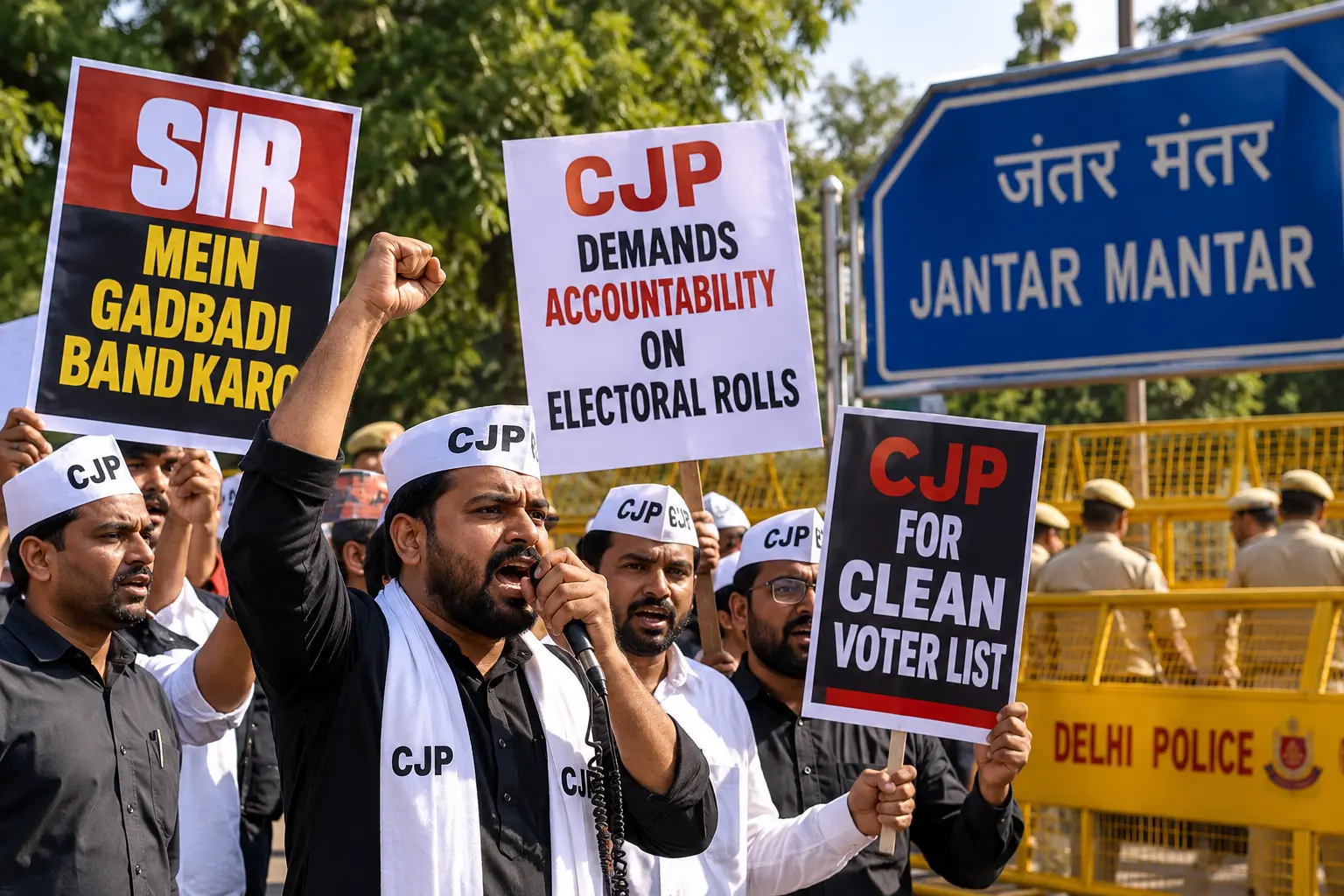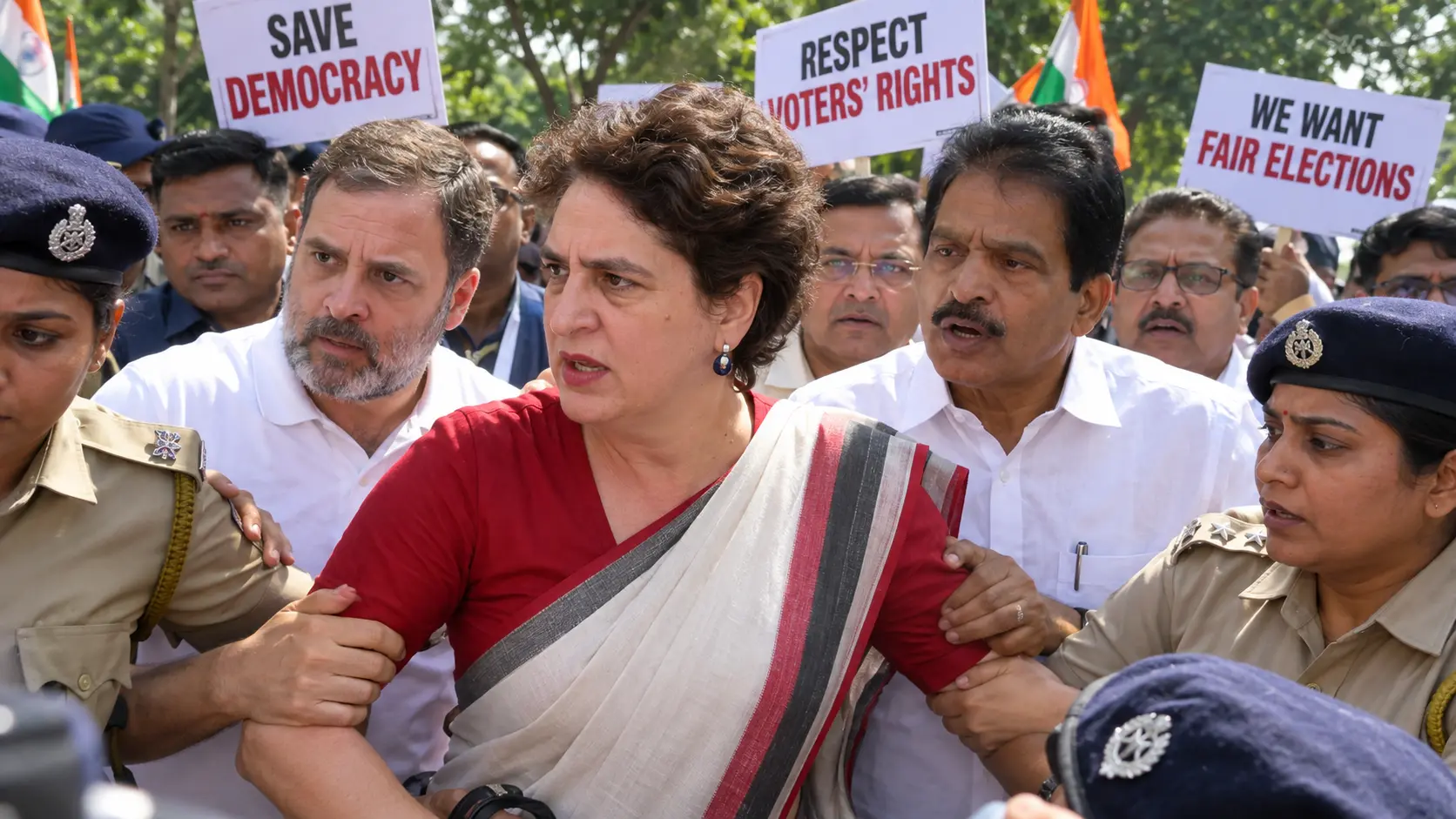
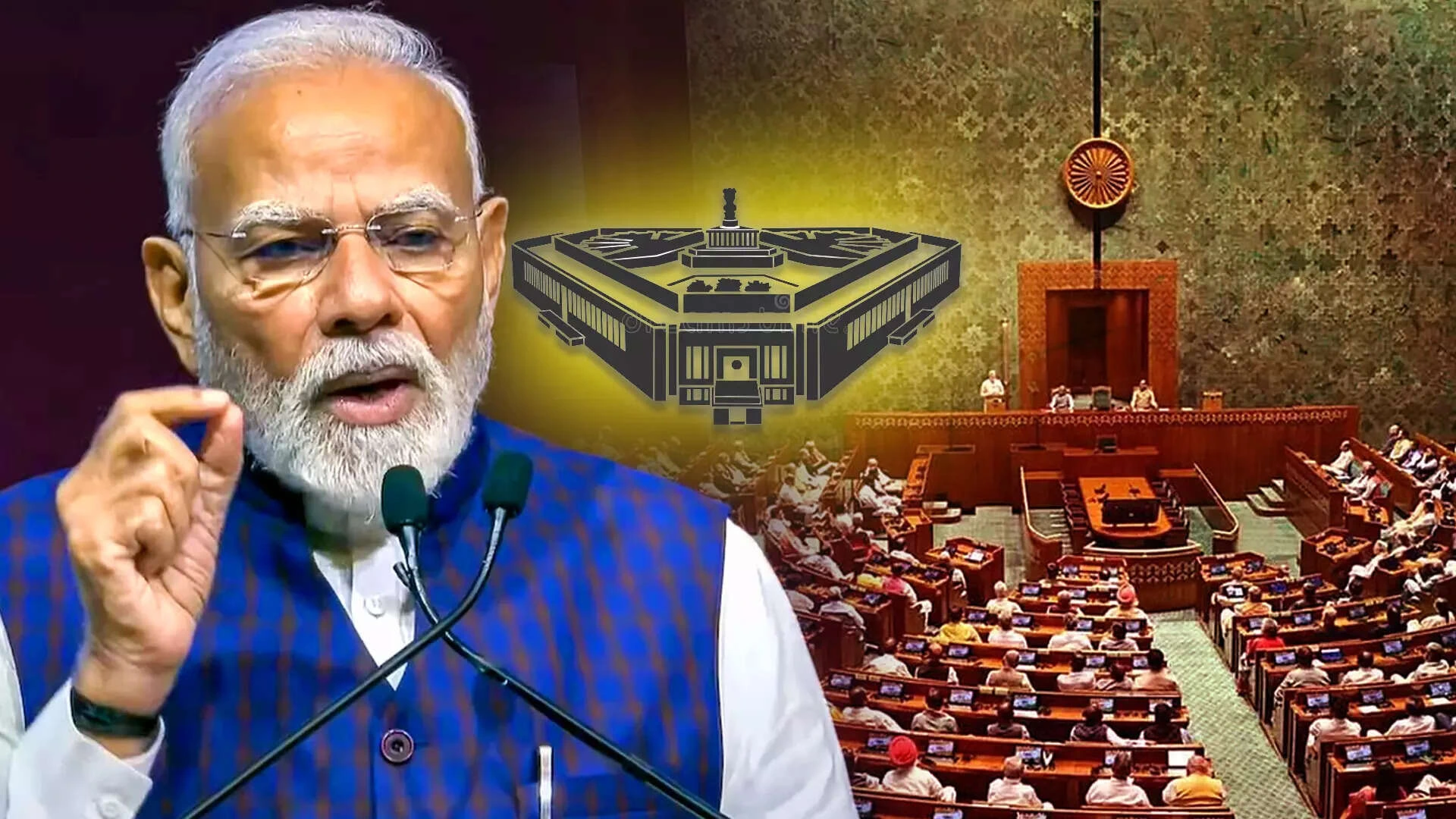
28-FEB-2026, 2:51 PM, Parliament witnessed heated exchanges as Opposition members raised concerns over legislation being pursued by the government, adding to political tensions during the Budget Session.
The disagreement reflected a wider divide between the government and the opposition over the scope and potential impact of proposed legislation.
While the government maintained that its legislative measures were intended to address policy and administrative requirements, Opposition parties questioned several aspects of the proposals and sought greater discussion before decisions were taken.
Opposition Seeks Greater Discussion
Opposition parties have repeatedly argued that important legislation should receive adequate parliamentary discussion before being passed.
Their concerns have included the potential impact of proposed laws, the extent of executive powers, and the need for greater consultation with affected groups.
Opposition members have also used parliamentary proceedings to seek clarifications from ministers and demand responses from the government.
Such disagreements are a normal part of parliamentary democracy, although prolonged disruptions can reduce the time available for detailed debate.
Government Defends Its Legislative Agenda
The government has defended its legislative program and argued that proposed changes are intended to improve governance and strengthen existing legal frameworks.
Government members have also criticized repeated disruptions, saying that Parliament should be allowed to conduct business and debate legislation on the floor of the House.
The government has maintained that opposition parties should participate in discussions rather than preventing legislative proceedings from taking place.
Why Parliamentary Debate Matters
Parliamentary debate provides lawmakers with an opportunity to examine proposed legislation before it becomes law.
During debates, MPs can raise questions about the practical impact of a bill, suggest amendments, and highlight concerns raised by their constituents.
The process can also allow ministers to explain why particular provisions have been included.
For contentious legislation, detailed discussion can be particularly important because lawmakers may identify unintended consequences or areas that require clarification.
Opposition and Government Take Different Positions
The latest disagreement again highlighted the contrasting approaches of the two sides.
Opposition parties generally argued for greater scrutiny and discussion, while government members emphasized the need to move forward with legislative business.
Both sides have used parliamentary proceedings to present their positions to the public.
Such political disagreements can become particularly intense when legislation involves issues that affect large sections of society or concerns about government powers.
Disruptions Can Affect Parliamentary Business
Frequent disruptions can have a direct impact on the functioning of Parliament.
When proceedings are repeatedly interrupted, MPs may have less time to debate bills, ask questions, and discuss policy matters.
At the same time, opposition parties often argue that protests and disruptions are sometimes necessary when they believe their concerns are not receiving adequate attention.
The balance between protest and parliamentary functioning has therefore remained an important issue in Indian politics.
What Happens to a Bill After Introduction?
A bill introduced in Parliament can go through several stages before becoming law.
Depending on the nature of the legislation, it may be discussed in the House, examined by a parliamentary committee, and then considered for passage.
MPs can propose amendments during the legislative process.
After both houses approve the required legislation, it is sent to the president for assent before becoming law.
This process allows different stages of scrutiny and debate.
Role of Parliamentary Committees
Parliamentary committees can play an important role in examining complicated legislation.
Committees allow MPs to study the details of a bill more closely and can provide an opportunity for wider consultation.
They can examine individual provisions, hear from experts and stakeholders where appropriate, and submit recommendations to Parliament.
However, not every bill necessarily goes through the same committee process.
The decision depends on parliamentary procedure and the circumstances surrounding the legislation.
Why the Dispute Matters
The disagreement is significant because parliamentary debates can influence the final form of legislation.
Political parties may negotiate amendments or seek clarification on provisions that they believe could have wider consequences.
For the government, securing legislative support is important for implementing its policy agenda.
For the Opposition, parliamentary scrutiny provides an opportunity to challenge government proposals and present alternative viewpoints.
The competing responsibilities can sometimes lead to heated exchanges inside the Houses.
Parliament’s Broader Role
Parliament is responsible not only for passing legislation but also for holding the executive accountable.
MPs can question ministers, raise matters of public importance, and examine government policies.
The Opposition plays an important role in this process by questioning government decisions and highlighting issues that it believes require attention.
At the same time, the government has the responsibility to ensure that legislative business can proceed.
Effective parliamentary functioning therefore depends on both debate and the ability of the Houses to conduct their scheduled business.
What to Watch Next
The next stage will depend on how the government and opposition approach the disputed legislation.
Important developments to watch include:
- Whether further parliamentary debate takes place
- Whether the bill is referred to a committee
- Whether opposition parties propose amendments
- Government Addresses Concerns Raised by MPs
- Whether the legislation moves forward in its current form
- Any changes made during the parliamentary process
These developments will provide a clearer picture of the bill’s eventual outcome.
The coming parliamentary discussions will be important, as further debate could clarify disputed provisions and determine whether amendments are proposed.
Conclusion
Heated exchanges in Parliament once again highlighted the political disagreement between the government and the opposition over proposed legislation.
While the government has defended its legislative agenda, opposition parties have called for greater scrutiny, discussion, and clarification of provisions they consider important.
The disagreement also demonstrates the broader role of Parliament in examining government proposals.
For the legislation to move forward, the coming stages of debate, committee scrutiny, and voting will be important.
Rather than focusing only on political arguments inside the House, readers should also follow the actual provisions of the bill and any amendments made during the parliamentary process.
Sources: Use the official Parliament/PRS material or the specific news report you originally used for the bill. Do not add a source that you did not actually consult.