India–US Trade Deal Update: 25% Tariff Cut to 18% as Legal Draft Nears Final Stage
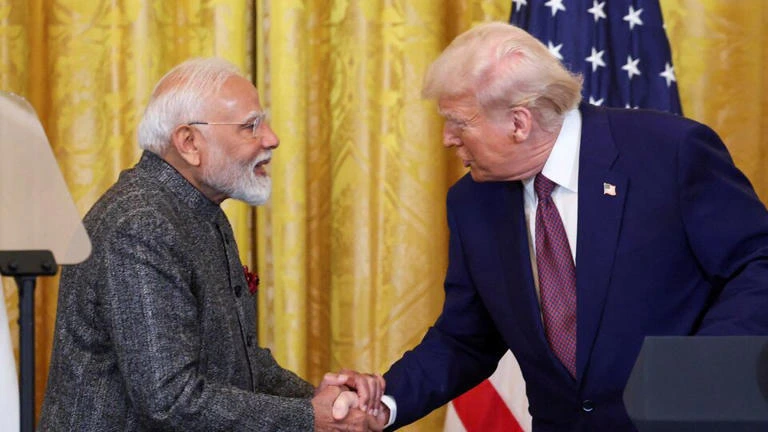
17-feb-2026, 12:34 PM Trade relations between India and the United States appear to be entering a decisive phase, with reports indicating that a long-discussed tariff reduction—from 25% to 18% on select goods—may soon be finalized. The legal draft of the revised trade framework has reportedly entered its final stage, raising expectations of a formal announcement in the coming weeks.
If implemented, the tariff cut would mark a significant milestone in one of the world’s most strategically important economic partnerships.
Background: A Complex Trade Relationship
India and the United States share a robust trade relationship valued in the hundreds of billions of dollars annually. Over the past decade, bilateral trade has expanded across sectors including:
-
Information technology
-
Pharmaceuticals
-
Agriculture
-
Defense equipment
-
Energy exports
However, tariff disputes and market access concerns have occasionally strained ties. Both countries have previously imposed duties on select products, leading to negotiations aimed at balancing domestic industry protection with global trade commitments.
The current proposal to reduce tariffs from 25% to 18% is seen as part of a broader effort to stabilize and expand economic cooperation.
What the 25% to 18% Tariff Cut Means
A reduction from 25% to 18% represents a meaningful easing of trade barriers. While the exact product categories have yet to be officially confirmed, sectors that could potentially benefit include:
-
Industrial components
-
Agricultural commodities
-
Processed goods
-
Technology-related imports
Lower tariffs typically translate into:
-
Reduced import costs
-
Increased competitiveness for exporters
-
Improved supply chain efficiency
-
Potential consumer price relief
For exporters on both sides, even a single-digit percentage reduction can significantly impact profit margins and pricing strategies.
Legal Draft in Final Stage: Why It Matters
The fact that the agreement’s legal draft has reached the final stage signals advanced negotiations. Trade deals often undergo extensive review processes, including:
-
Legal scrutiny for compliance with domestic laws
-
Alignment with World Trade Organization (WTO) norms
-
Industry consultations
-
Policy harmonization
Final-stage drafting suggests that political consensus may already be in place, leaving only procedural formalities before official ratification.
This stage is critical because it ensures clarity on:
-
Implementation timelines
-
Dispute resolution mechanisms
-
Sector-specific exemptions
-
Compliance frameworks
Strategic Implications
Beyond economics, the trade deal carries strategic weight. India and the United States have strengthened cooperation in areas such as defense, technology, and Indo-Pacific security. Economic alignment reinforces broader geopolitical partnerships.
In the evolving global supply chain landscape, both nations are seeking to reduce overdependence on single markets and diversify sourcing networks. Strengthened trade ties could facilitate:
-
Technology transfer
-
Semiconductor supply chain collaboration
-
Renewable energy partnerships
-
Critical minerals cooperation
Economic diplomacy increasingly complements strategic cooperation.
Impact on Indian Industries
For Indian exporters, tariff relief in the US market could enhance competitiveness, especially in manufacturing and specialty goods sectors. Small and medium enterprises (SMEs) stand to benefit significantly if export access becomes more affordable.
Industries that may gain include:
-
Textile manufacturers
-
Auto component suppliers
-
Engineering goods producers
-
Chemical exporters
Lower duties could also encourage greater foreign investment, as companies factor in improved market access when planning production bases.
Impact on American Businesses
US exporters targeting India may also benefit from reciprocal tariff rationalization. Lower barriers can help American firms expand in:
-
Agricultural exports
-
Energy supplies (including LNG)
-
Medical equipment
-
Aviation and defense technology
Improved trade terms often create a multiplier effect, encouraging business confidence and long-term contracts.
Market Reactions and Investor Sentiment
Financial markets typically respond positively to trade liberalization news. If finalized, the tariff reduction could boost investor confidence in sectors directly affected by cross-border commerce.
Potential outcomes include:
-
Strengthening of export-oriented stocks
-
Increased cross-border investment flows
-
Enhanced currency stability through trade expansion
Investors closely watch such developments as indicators of macroeconomic policy direction.
Challenges and Caution
While optimism surrounds the proposed tariff cut, trade agreements often face last-minute complexities. Key concerns include:
-
Domestic political opposition
-
Protectionist lobbying
-
Regulatory compliance hurdles
-
Implementation delays
Both governments must balance domestic industry interests with broader economic goals.
Moreover, tariff reductions alone do not resolve all trade frictions. Non-tariff barriers, regulatory standards, and data governance policies remain areas of ongoing negotiation.
A Step Toward Broader Trade Framework?
The proposed tariff adjustment could pave the way for a more comprehensive trade framework in the future. While a full free trade agreement (FTA) between India and the United States remains complex, incremental agreements often serve as confidence-building measures.
Such gradual progress allows both sides to test cooperation mechanisms before committing to larger structural reforms.
Global Context
The timing of this development is notable amid shifting global trade patterns. As geopolitical tensions reshape economic alliances, bilateral trade agreements are gaining renewed importance.
India’s push to strengthen partnerships with major economies aligns with its broader economic growth ambitions. Meanwhile, the United States seeks reliable partners in emerging markets to reinforce resilient supply chains.
The proposed tariff reduction reflects this mutual interest.
Conclusion
The India–US trade deal update indicating a tariff reduction from 25% to 18% marks a potentially significant advancement in bilateral economic relations. With the legal draft reportedly entering its final stage, both governments appear poised to formalize an agreement that could benefit exporters, investors, and consumers alike.
Beyond immediate economic gains, the move signals deepening strategic trust between two of the world’s largest democracies. If successfully implemented, the tariff cut may not only ease trade flows but also lay groundwork for broader economic cooperation in the years ahead.
As stakeholders await official confirmation, businesses on both sides are preparing for a new phase of opportunity in one of the world’s most dynamic trade corridors.