Introduction
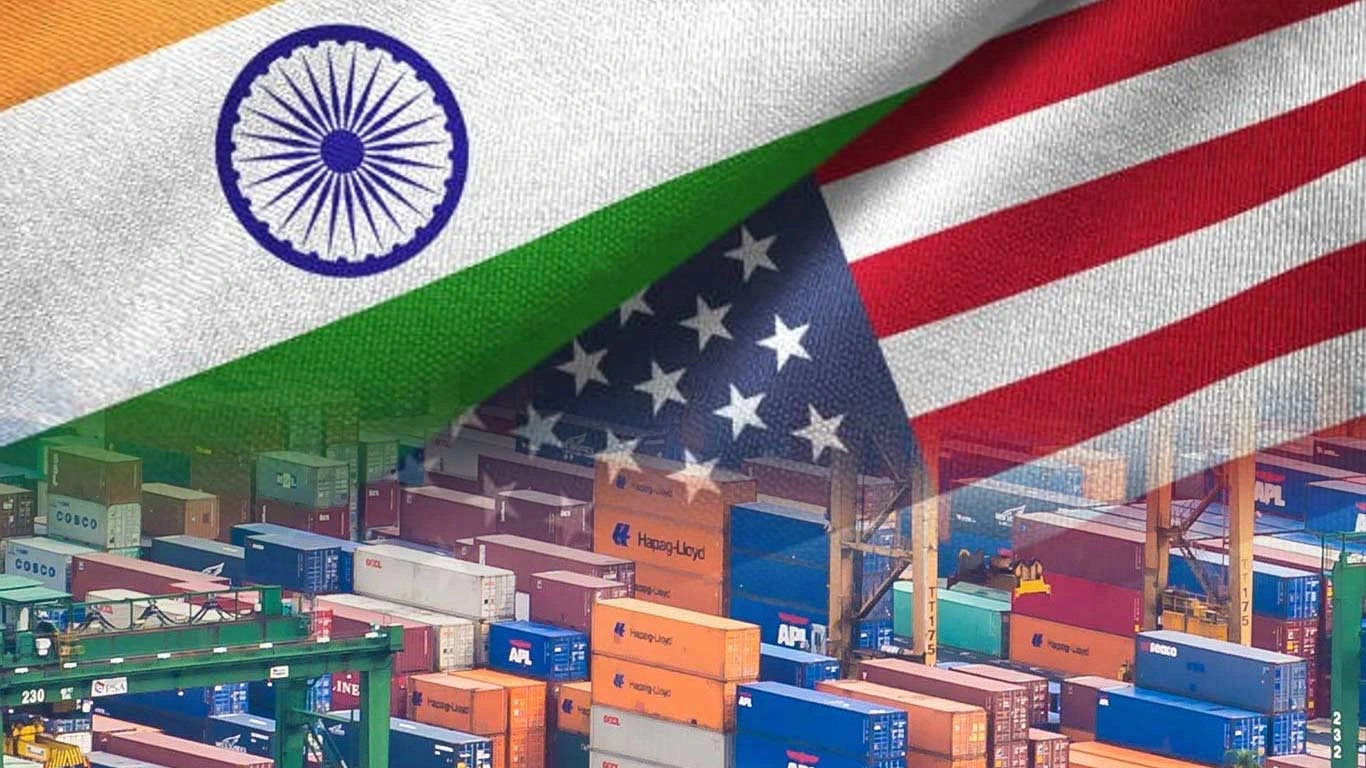
12-feb-2026, 4:45 PM The United States continues to deepen its economic footprint in South Asia through expanding trade partnerships. Two key relationships drawing attention are the evolving US-India trade deal and the emerging US-Bangladesh trade pact.
As Washington recalibrates supply chains and strengthens Indo-Pacific alliances, both India and Bangladesh stand to benefit—but in different ways. The critical question remains: Who gains the upper hand?
The US-India Trade Deal: A Strategic Economic Partnership
India and the United States share one of the fastest-growing bilateral trade relationships in the world. Bilateral trade has surged over the past decade, spanning:
-
Technology and digital services
-
Pharmaceuticals
-
Defense and aerospace
-
Energy exports
-
Manufacturing and semiconductors
Key Advantages for India:
-
Technology Transfer & Investment
US firms are investing heavily in India’s semiconductor, AI, and manufacturing sectors, aligning with India’s “Make in India” initiative. -
Defense Cooperation
Strategic defense agreements strengthen India’s geopolitical position in the Indo-Pacific region. -
Energy Security
Increased US energy exports help India diversify supply sources.
Benefits for the US:
-
Access to a massive consumer market
-
Diversification away from China
-
Strategic counterbalance in Asia
-
Strong services trade surplus
The US-India relationship goes beyond trade—it is deeply strategic.
The US-Bangladesh Pact: Emerging Economic Opportunity
Bangladesh, one of South Asia’s fastest-growing economies, has become an important trade partner for the US, particularly in:
-
Ready-made garments (RMG)
-
Textiles
-
Footwear
-
Light manufacturing
The US remains one of Bangladesh’s largest export destinations.
Key Advantages for Bangladesh:
-
Export Growth
The garment sector benefits significantly from access to US markets. -
Supply Chain Diversification
US companies looking beyond China are increasingly considering Bangladesh for manufacturing. -
Economic Stability
Strong trade ties with the US support foreign exchange reserves and employment.
Benefits for the US:
-
Affordable manufacturing base
-
Supply chain diversification
-
Strengthened engagement in South Asia
While not as strategically broad as India’s partnership, Bangladesh offers cost competitiveness and manufacturing efficiency.
Economic Scale Comparison
| Factor | US-India | US-Bangladesh |
|---|---|---|
| Trade Volume | Significantly higher | Moderate but growing |
| Strategic Scope | Defense, tech, energy | Mainly textiles & manufacturing |
| Market Size | Massive consumer base | Export-driven economy |
| Geopolitical Role | Indo-Pacific anchor | Regional manufacturing hub |
India’s economy is far larger and more diversified, giving it a structural advantage in negotiations and long-term gains.
Geopolitical Implications
The US-India trade deal strengthens Washington’s Indo-Pacific strategy, especially amid rising global competition. India’s strategic location and military capability enhance the partnership’s importance.
Meanwhile, the US-Bangladesh pact reinforces economic engagement but carries less geopolitical weight compared to India.
Who Gains the Upper Hand?
In Strategic Terms:
👉 India gains the upper hand due to broader cooperation spanning defense, technology, and geopolitics.
In Manufacturing & Cost Advantage:
👉 Bangladesh gains in labor-intensive exports, particularly textiles.
For the United States:
The US benefits from both:
-
India as a strategic powerhouse
-
Bangladesh as a manufacturing alternative
Rather than a competition, the two partnerships serve different American economic and geopolitical objectives.
Future Outlook
Looking ahead:
-
India may attract more high-tech investments and strategic deals.
-
Bangladesh could expand beyond garments into diversified manufacturing.
-
The US will likely continue balancing both partnerships to reduce supply chain risks.
As global trade patterns evolve, South Asia’s importance to US economic strategy is expected to grow.
Conclusion
The US-India trade deal and the US-Bangladesh pact reflect two distinct economic narratives—one strategic and diversified, the other manufacturing-driven and export-focused.
While India appears to hold the upper hand in scale and geopolitical leverage, Bangladesh secures its position as a vital supply chain partner.
Ultimately, the real winner may be the United States, which strengthens its influence across South Asia through complementary partnerships.