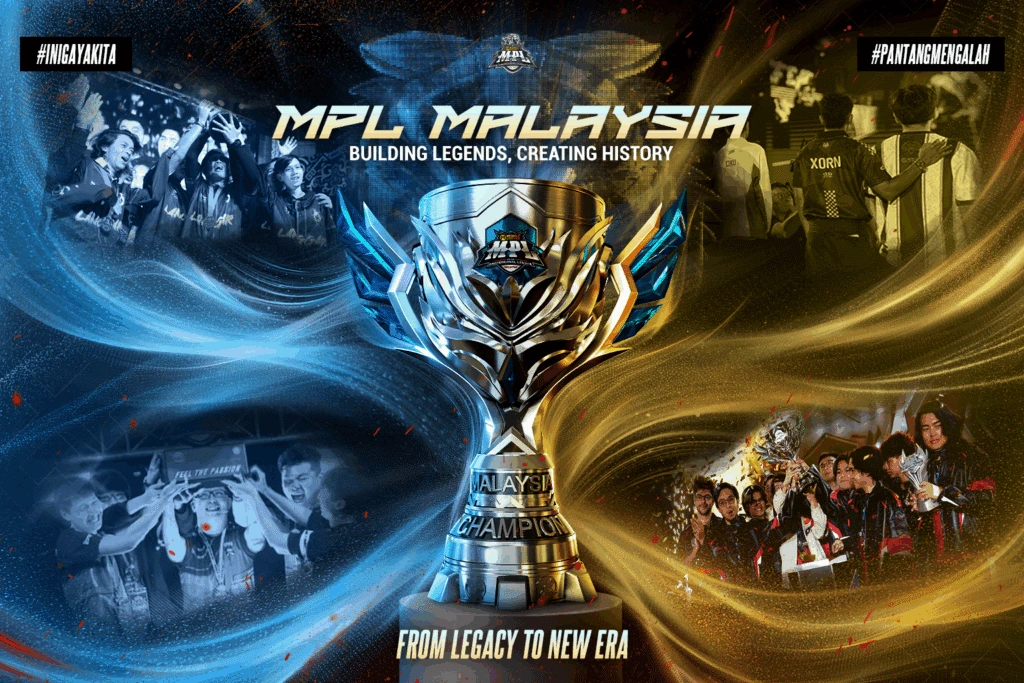
09-SEP-2025,05:00PM In a groundbreaking announcement for the esports ecosystem, Mobile Legends: Bang Bang (MLBB) has confirmed that its professional league in Malaysia, MPL Malaysia, will officially transition to a franchising model starting in 2026. This shift marks a new era for competitive gaming in the region, promising stability for teams, increased investments, and stronger opportunities for players. The move aligns with global trends in esports, where franchising is increasingly seen as the future of sustainable competitive leagues. For MPL Malaysia, this transformation could be a game-changer for both the industry and the fans.
MPL Malaysia: Journey So Far
The Growth of MPL Malaysia
Since its inception, MPL Malaysia has been one of the most exciting and competitive regional leagues in the Mobile Legends esports scene. With passionate players, loyal fanbases, and significant regional viewership, the league has grown into a staple of Southeast Asia’s esports calendar. Each season has showcased rising talents and thrilling matches that have strengthened Malaysia’s role as a powerhouse in MLBB.
MPL Malaysia: From Open Qualifiers to Professional League
Traditionally, MPL Malaysia operated with an open qualification system, giving amateur teams the chance to fight their way into the professional spotlight. While this model brought fresh talent, it also created instability for organisations, as a single poor season could mean losing a coveted spot in the league. The franchising model aims to solve these issues by providing long-term slots for organisations, ensuring they can focus on growth without fear of relegation.
MPL Malaysia: Why Franchising Matters for MPL Malaysia
MPL Malaysia: Ensuring Stability for Teams
One of the key benefits of franchising is long-term security for participating organisations. By securing permanent slots, teams in MPL Malaysia will no longer have to worry about relegation, allowing them to invest in infrastructure, coaching staff, and player development. This will lead to a more professional environment across the league.
MPL Malaysia: Attracting Bigger Investments
Franchising creates a business model similar to traditional sports leagues, making it attractive for investors and sponsors. With guaranteed participation in MPL Malaysia, organisations can build long-term partnerships with brands, fueling the league’s growth. This could also bring in international investors looking to tap into Malaysia’s booming esports market.
The Impact on Players
More Opportunities for Rising Stars
For players, franchising means greater career stability. With organisations secured in the league, they can focus on long-term growth rather than worrying about short-term contracts. MPL Malaysia will likely introduce academies and talent development programs, creating more structured pathways for young players to enter the pro scene.
Better Salaries and Contracts
As franchising encourages more corporate investment, salaries and benefits for players are expected to rise. This professionalisation will make esports in Malaysia a more viable career path, attracting even more talent to the Mobile Legends ecosystem.
Fans and Community Reaction
A Mixed Reception
The announcement has generated excitement but also some concerns among fans. Many supporters believe franchising will raise the quality and competitiveness of MPL Malaysia, while others worry it could limit grassroots participation. Some fear that smaller teams may lose opportunities, though officials have assured that alternative tournaments and amateur circuits will continue to provide platforms for new talent.
Strengthening the Fan Experience
Franchising also means more stability for fans, who will be able to follow their favourite teams year after year without the risk of relegation. This consistency can help build stronger fan bases and rivalries, enhancing the entertainment value of MPL Malaysia.
Comparing MPL Malaysia with Other Esports Leagues
Lessons from MPL Philippines and Indonesia
Franchising has already been introduced in other MLBB regions, such as MPL Philippines and MPL Indonesia, with great success. Both leagues have seen significant growth in viewership, stronger team branding, and larger sponsorship deals. These examples suggest that MPL Malaysia is likely to follow a similar trajectory once franchising is implemented.
Following the Global Esports Trend
Outside of Mobile Legends, major esports titles like League of Legends and Call of Duty have already embraced franchising. By aligning with this model, MPL Malaysia positions itself as a forward-looking league in Southeast Asia’s competitive gaming scene.
Economic and Industry Implications
Boosting Malaysia’s Esports Economy
The franchising of MPL Malaysia will not only benefit teams and players but also create ripple effects across Malaysia’s esports ecosystem. From production companies and event organisers to content creators and local businesses, the professionalisation of the league will drive new opportunities.
Creating Jobs and Infrastructure
With organisations investing more in the long term, there will be an increase in demand for coaches, analysts, marketing staff, and event managers. This will further professionalise the esports industry in Malaysia, making it a hub for esports careers in the region.
Challenges Ahead
Balancing Grassroots and Professional Play
One challenge will be ensuring that amateur and grassroots teams still have opportunities to showcase their talent. While MPL Malaysia will move to franchising, officials must ensure that developmental tournaments remain robust to sustain the competitive pipeline.
Affordability of Franchising Slots
Franchising often comes with high buy-in costs for organisations. Ensuring that Malaysian organisations, both big and small, can participate without being priced out will be key to the league’s success. Transparency in slot pricing and fair distribution of revenues will be crucial for long-term stability.
Expert Opinions
Esports Analysts on MPL Malaysia
Industry analysts believe that franchising will transform MPL Malaysia into one of the most sustainable esports leagues in Southeast Asia. They argue that the model will encourage professionalism, attract global brands, and give players a more secure environment to grow.
Voices from the Community
Community leaders and veteran players have also weighed in, highlighting the need for balance. While they welcome the stability franchising brings, they stress the importance of keeping grassroots talent involved in Malaysia’s esports ecosystem.
Conclusion
The move to franchising for MPL Malaysia starting in 2026 represents a historic turning point for esports in the region. By ensuring stability for teams, creating better opportunities for players, and attracting more investment, this transition will elevate the league to new heights. Although challenges remain—particularly around grassroots inclusion and franchise affordability—the overall impact is expected to be overwhelmingly positive.
As MPL Malaysia steps into its franchising era, it promises not only a more professional league but also a stronger foundation for the growth of esports in Malaysia. For fans, players, and organisations alike, the journey from 2026 onwards will mark a new chapter in Mobile Legends’ rich competitive history.
Source: ANI