
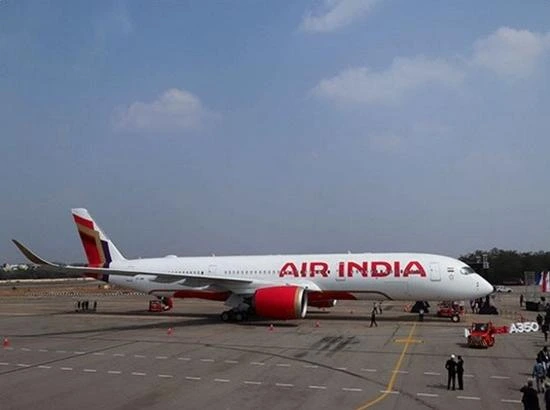
09-SEP-2025,03:55 PM In a significant disruption to international travel, Air India has cancelled multiple Delhi-Kathmandu flights due to ongoing protests in Nepal led by the Gen Z movement. The protests, which have caused political and social unrest across Nepal, prompted security concerns and operational challenges for airlines. For Indian passengers and Nepali citizens alike, this development underscores how geopolitical tensions and domestic upheavals can directly impact connectivity between neighbouring nations. The decision by Air India reflects both a precautionary and safety-driven measure, as authorities in Nepal continue to grapple with the demonstrations.
Air India: Decision to Cancel Flights
Air India: Why Air India Took This Step
According to airline officials, the cancellations are temporary but necessary given the uncertainties surrounding law and order in Nepal’s capital, Kathmandu. The Gen Z protests have disrupted public life, leading to road blockades and security crackdowns, which in turn affect access to the Tribhuvan International Airport. In such conditions, Air India found it prudent to suspend operations rather than risk passenger safety and logistical chaos.
Air India: Flights Impacted
The cancellations include scheduled daily flights between Delhi and Kathmandu that typically see high passenger load, especially from tourists, business travellers, and students. With Nepal being a popular destination for Indian visitors, the suspension is likely to inconvenience thousands of passengers.
Air India: The Gen Z Protest in Nepal
Air India: Background of the Movement
The Gen Z protests in Nepal are led by young citizens demanding better governance, accountability, and employment opportunities. Frustrated with the pace of reforms and corruption, the youth have mobilised in large numbers across cities. This wave of dissent has created significant disruptions in public life, prompting international concerns.
Air India: Impact on Normal Life
The protests have not only paralysed transport and commerce but also created bottlenecks in tourism and aviation—sectors that are crucial for Nepal’s economy. With airports under high alert and access roads frequently blocked, Air India and other carriers face difficulties in ensuring smooth operations.
Air India: Passenger Response to Air India’s Move
Air India: Inconvenience for Travellers
Passengers, especially those with urgent travel requirements, have expressed frustration over sudden cancellations. Many had booked tickets months in advance for leisure travel or family commitments. Air India’s abrupt announcement left several stranded, scrambling for alternatives.
Options Provided by the Airline
In line with standard practice, Air India has offered full refunds and free rescheduling options for affected passengers. However, alternative flights remain limited as other carriers also face operational uncertainties.
Broader Aviation Impact
Other Airlines Monitoring the Situation
While Air India has taken the lead in cancelling flights, other international airlines connecting Nepal to India, the Middle East, and Southeast Asia are also monitoring the situation. Some have already reduced frequencies or imposed flexible booking policies to accommodate the uncertainties.
Tourism and Business Impact
Tourism is one of Nepal’s economic pillars, and air connectivity plays a crucial role. The suspension of Air India flights, even temporarily, sends a negative signal to international travellers. Additionally, Indian businesses with ties to Nepal are facing logistical challenges in managing cross-border engagements.
India-Nepal Relations and Connectivity
Strategic Importance of Air Connectivity
The Delhi-Kathmandu route is one of the busiest air corridors between India and Nepal, symbolising the deep people-to-people and cultural ties between the two countries. The fact that Air India had to cancel operations highlights how domestic unrest in one country can reverberate into bilateral exchanges.
Diplomatic and Security Concerns
Indian officials are closely monitoring the developments in Nepal. With many Indian nationals living, studying, or working in Nepal, safety remains a top priority. The suspension of Air flights is also seen as a precautionary step to avoid potential diplomatic or emergency complications.
Economic and Social Ramifications
Losses for Airlines and Passengers
Every cancelled flight translates to revenue losses for airlines and heavy inconvenience for passengers. For Air, which operates as India’s flagship carrier, such disruptions not only affect finances but also customer trust.
Broader Impact on Nepal’s Economy
With tourism and trade suffering, Nepal risks facing a ripple effect across sectors. The cancellation of flights adds to the negative perception for foreign investors and travelers, further complicating the country’s fragile economic recovery.
Possible Future Developments
When Will Air India Resume Flights?
The resumption of flights depends largely on how quickly the Nepalese government restores normalcy. If protests continue for weeks, passengers should expect prolonged disruptions. However, Air has assured it will restart services as soon as the situation stabilises.
Lessons for Regional Aviation
This incident highlights the need for airlines to have robust contingency plans when operating in politically sensitive regions. Air India’s swift decision shows a prioritisation of safety over short-term revenue, a principle likely to be emulated by other carriers in the region.
Expert Opinions
Analysts on Air India’s Precautionary Step
Aviation experts believe Air India made the right decision, as ensuring safety in volatile conditions outweighs financial considerations. They stress that airlines have a responsibility not only to their passengers but also to their crew and ground staff operating in risky environments.
Political Experts on Nepal’s Crisis
Political analysts argue that the Gen Z protests reflect deeper issues within Nepal’s governance framework. Until these are addressed, disruptions such as Air cancellations may become a recurring theme in regional travel.
Conclusion
The cancellation of Delhi-Kathmandu flights by Air amidst Nepal’s Gen Z protests underscores the close link between domestic unrest and international aviation. While the move has caused inconvenience for passengers, it highlights the airline’s priority of safety and responsibility. The Gen Z protests in Nepal represent a powerful socio-political shift, but until normalcy is restored, disruptions like these will continue to affect bilateral travel and business.
Ultimately, the suspension of services on such a crucial route reflects a broader reality: in an interconnected world, instability in one country inevitably affects its neighbors. 3 As the situation evolves, passengers and businesses alike will be keenly awaiting updates on when Air India resumes its vital Delhi-Kathmandu operations.
Source: ANI

One thought on “Air India cancels Delhi-Kathmandu flights amidst Gen Z protest in Nepal”