
Your daily dose of news, covering the latest updates in politics, business, sports, entertainment, and more from India and around the world.
Your daily dose of news, covering the latest updates in politics, business, sports, entertainment, and more from India and around the world.
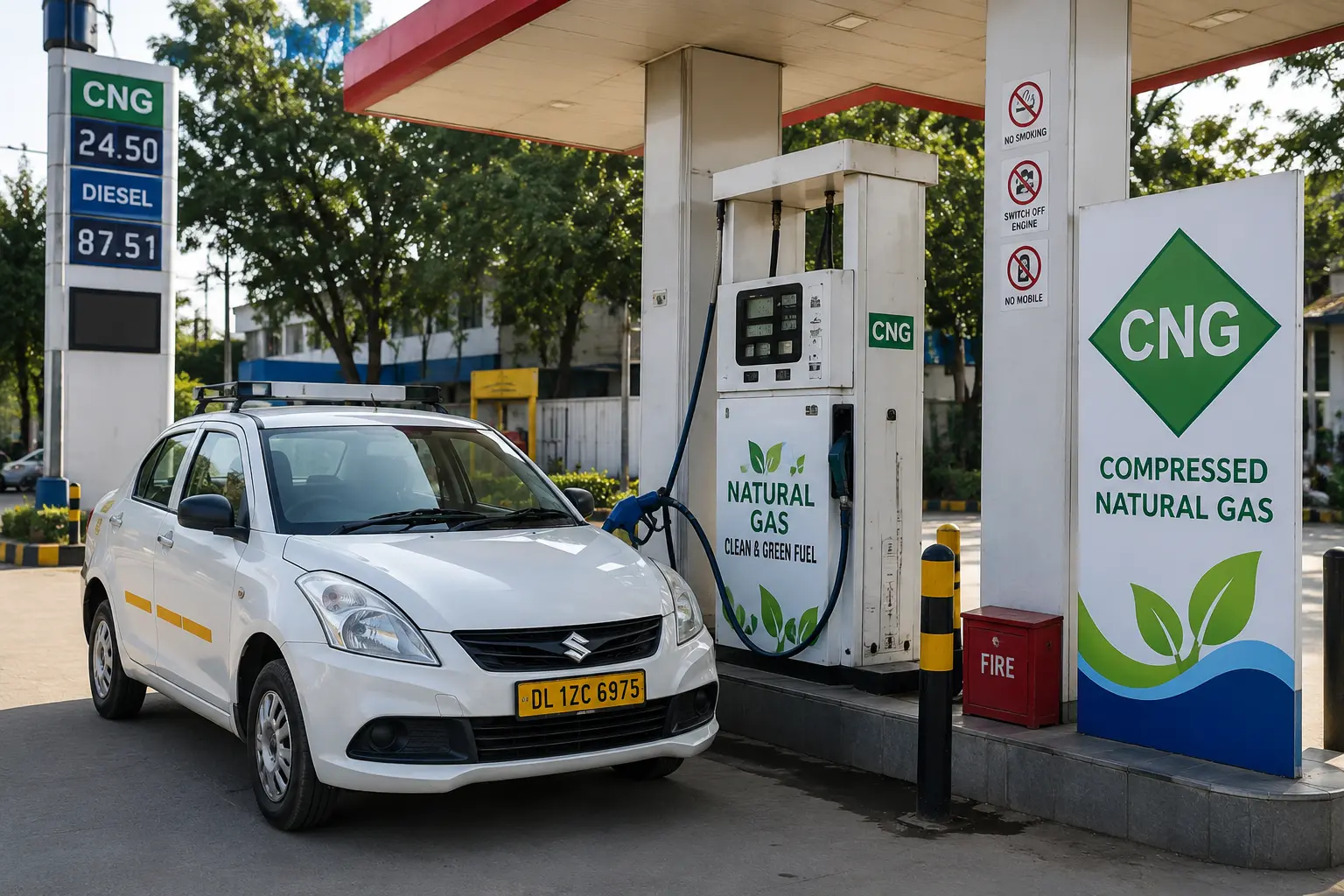
India’s natural gas consumption recovered to near pre-disruption levels in June 2026, showing broad-based growth across several major sectors. According to an Equirus research report, gas consumption increased 7% month-on-month and 2% year-on-year to 197 million metric standard cubic metres per day (mmscmd) during the month.
The recovery indicates improving demand from industries and other gas-consuming sectors. However, the outlook remains mixed as India faces higher global LNG competition and elevated spot prices.
The report also noted that excluding power demand, gas consumption increased 7% month-on-month and 4% year-on-year to 176 mmscmd, suggesting that the recovery was broader than power-sector demand alone.
A major factor behind the increase was stronger consumption of imported liquefied natural gas, or LNG.
LNG consumption rose 13% month-on-month and 10% year-on-year to 110 mmscmd in June. In comparison, domestic gas supply remained flat from the previous month at 87 mmscmd and declined 8% year-on-year.
This increased India’s dependence on imported gas to around 56%, highlighting the important role international LNG markets now play in meeting domestic demand.
The improvement in India’s gas demand was not limited to one particular industry. The Equirus report identified several sectors that contributed to the recovery.
City gas distribution remained a major source of consumption, rising to around 58 mmscmd. Demand from miscellaneous users and refineries also increased during June. Fertiliser and power consumption showed improvement, while petrochemical demand recovered to around 7 mmscmd.
The broad-based nature of the recovery suggests that gas consumption is strengthening across multiple areas of the Indian economy.
City gas distribution, commonly known as CGD, continues to play an important role in India’s natural gas market.
The sector supplies natural gas to households, businesses, industries and vehicles through PNG and CNG networks. Rising consumption in this segment reflects continued demand for gas-based energy across urban and industrial areas.
The Equirus report said CGD consumption increased by 2.3 mmscmd month-on-month to 58 mmscmd in June.
India’s LNG sourcing pattern has also changed significantly.
The country imported around 7 million tonnes of LNG between May and July, representing a 15% increase from the same period a year earlier. However, imports from Qatar reportedly fell sharply during the period, while the United States emerged as India’s largest supplier, followed by Nigeria and Oman.
The shift indicates that India is diversifying its LNG supply sources as global energy markets remain uncertain.
Despite the recovery in demand, global LNG competition could create challenges for Indian buyers.
Equirus noted that stronger Chinese LNG purchases are increasing competition for flexible LNG cargoes. Asian spot LNG prices moved above USD 19 per million British thermal units in July and were above USD 20 at the time of the report.
Higher international prices could increase the cost of imported gas for Indian consumers and industries.
The Equirus report expects demand to remain relatively strong in July, although consumption could be slightly lower than June because of reduced power-sector demand.
The outlook for August could be weaker because of lower consumption in certain industrial segments and seasonal factors. This means India’s gas market could experience some short-term fluctuations even as the broader recovery continues.
The recovery in gas consumption is significant for India’s wider energy market. Natural gas is used across power generation, fertiliser production, refineries, city gas distribution and several industrial applications.
Stronger demand can support investment in gas infrastructure, LNG terminals and distribution networks. At the same time, India’s growing dependence on imported LNG makes international prices, shipping conditions and geopolitical developments important factors for the domestic market.
The global LNG market could see additional supplies as new LNG projects increase production. Greater availability could eventually improve competition among suppliers and provide more options for countries such as India.
However, shipping restrictions, sanctions, payment-related challenges and geopolitical developments could affect how easily additional LNG reaches Asian buyers. Equirus therefore expects global market conditions to remain an important factor for India’s gas outlook.
The latest data shows that India gas demand has recovered significantly, reaching levels close to those seen before recent disruptions. Growth across CGD, refineries, fertilisers, power and other sectors points to improving consumption.
However, the increasing reliance on imported LNG also exposes India to international price movements and competition from major buyers such as China. The coming months will therefore be important in determining whether India’s gas demand can maintain its recovery while managing the challenges of a competitive global LNG market.
India’s recovery in natural gas consumption also highlights the country’s growing dependence on imported LNG to meet domestic requirements. While domestic production continues to contribute significantly to the energy mix, declining output from some domestic fields has increased the importance of overseas supplies. Imported LNG can help bridge the gap between domestic production and rising demand from industries, city gas networks, fertiliser plants, refineries, and power producers. However, greater dependence on international markets also exposes Indian consumers to fluctuations in global prices and supply conditions.
For India, maintaining a reliable and affordable gas supply will therefore require a balanced approach. Expanding domestic exploration and production, improving pipeline infrastructure, increasing storage capacity, and diversifying LNG suppliers could help reduce supply risks. Long-term contracts can give major consumers greater price stability and shield them from sudden international market fluctuations.
The continued expansion of city gas distribution networks is another factor that could support future demand. As more households, commercial establishments, and vehicles shift toward natural gas, consumption could increase further. At the same time, policymakers will need to ensure that gas remains economically competitive with alternative fuels. The combination of stronger domestic production, diversified imports, and efficient infrastructure could help India meet its growing energy requirements while supporting industrial and economic growth.
India’s natural gas demand has recovered strongly, reaching 197 mmscmd in June 2026, with growth coming from several key sectors including city gas distribution, refineries, fertilisers and power. The recovery is important for India’s wider energy sector because stronger gas consumption can support industrial activity and continued investment in gas infrastructure.
However, India’s increasing dependence on imported LNG also leaves the market exposed to international prices and competition for available cargoes. With Asian LNG prices remaining elevated and global supply conditions changing, the coming months will be important for determining whether India can maintain its demand recovery while keeping gas supplies reliable and affordable.
Source: ANI

Your trusted source for news, updates, and insights from India and around the world.
Copyright © 2020–2026 NEWSHOTS. All Rights Reserved.