
Your daily dose of news, covering the latest updates in politics, business, sports, entertainment, and more from India and around the world.
Your daily dose of news, covering the latest updates in politics, business, sports, entertainment, and more from India and around the world.
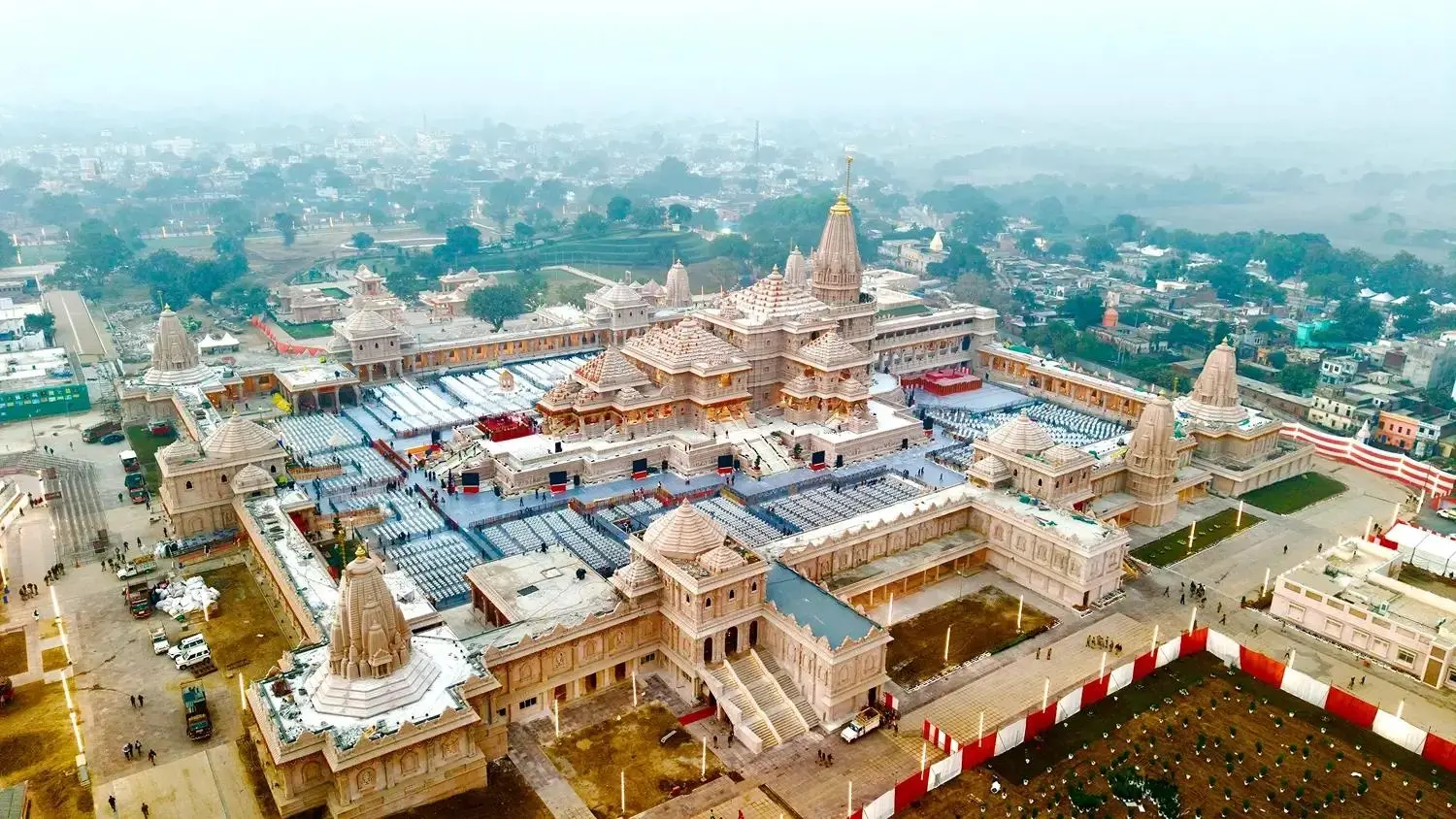
The Shri Ram Janmabhoomi Teerth Kshetra Trust is set to hold an important meeting in Ayodhya, bringing together trustees to review administrative matters and discuss future plans related to the Ram Mandir. The meeting comes at a time when the temple continues to attract thousands of devotees from across India and abroad, making effective management and long-term planning increasingly important.
According to officials associated with the temple administration, all trustees have been invited to attend the meeting. Discussions are expected to focus on the smooth functioning of temple operations, ongoing development work, pilgrim facilities, and administrative coordination.
The Ram Mandir has become one of India’s most significant religious destinations since its inauguration. With a steady rise in visitor numbers, the Trust continues to review various aspects of temple management to ensure that facilities and services meet the growing needs of devotees.
Trust meetings play a key role in reviewing the functioning of the temple administration. Members regularly discuss operational matters, maintenance, financial planning, security arrangements, and infrastructure development aimed at improving the overall experience for visitors.
As pilgrim footfall continues to increase throughout the year, maintaining efficient management has become a major priority. Officials are expected to evaluate ongoing projects and discuss future initiatives that could further strengthen temple facilities and visitor services.
Regular meetings also provide an opportunity for trustees to review completed projects while identifying areas where additional improvements may be required.
Ayodhya has witnessed remarkable development over the past few years following the construction of the Ram Mandir. Improved roads, railway connectivity, airport infrastructure, hotels, and tourism-related facilities have transformed the city into one of India’s fastest-growing religious tourism destinations.
The increasing number of visitors has also contributed to the local economy by generating employment opportunities for businesses associated with hospitality, transportation, retail, and tourism services.
State and local authorities continue to work alongside various agencies to improve civic infrastructure while ensuring that pilgrims have access to better public facilities throughout the city.
Providing convenient facilities for devotees remains one of the primary responsibilities of the temple administration. Crowd management, sanitation, drinking water, medical assistance, security, parking, and information services are among the areas that receive continuous attention.
With major festivals attracting exceptionally large crowds, advance planning has become essential for ensuring smooth arrangements. Technology-based crowd management systems and improved public services have also helped enhance the overall pilgrimage experience.
The transformation of Ayodhya has accelerated in recent years, with several infrastructure projects aimed at improving connectivity and enhancing the experience for pilgrims. Better roads, expanded railway services, modern public facilities, and improved transport links have made it easier for visitors from across the country to reach the city.
Alongside temple-related developments, authorities have also focused on beautification projects, public amenities, traffic management, and accommodation facilities. These initiatives will support the growing number of tourists and devotees visiting Ayodhya throughout the year.
The continued development of civic infrastructure reflects the city’s increasing importance as one of India’s major religious and cultural destinations.
As visitor numbers continue to rise, ensuring a smooth and comfortable pilgrimage experience remains a key objective for the temple administration. Efficient crowd management, cleanliness, security arrangements, drinking water facilities, medical assistance, and organised entry systems are among the areas receiving regular attention.
During major festivals and religious occasions, thousands of devotees arrive in Ayodhya every day. Careful planning and coordination between the temple administration and local authorities help manage these large gatherings while maintaining safety and convenience.
Technology is also playing an increasing role in improving temple operations, with digital information systems and better coordination helping streamline services for visitors.
Meetings of the Shri Ram Janmabhoomi Teerth Kshetra Trust provide an opportunity for trustees to review ongoing projects, discuss administrative priorities, and evaluate future development plans. These meetings promote collective decision-making and ensure transparent management of one of India’s most visited religious sites.
Trustees also assess the progress of infrastructure works, maintenance activities, and long-term planning required to accommodate the growing number of pilgrims expected in the coming years.
Administrative reviews are an important part of ensuring that temple operations continue smoothly while addressing new challenges associated with increasing visitor numbers.
The completion of the Ram Mandir has significantly increased Ayodhya’s profile as a religious tourism destination. Visitors from different parts of India and abroad now travel to the city throughout the year, contributing to local businesses and creating new economic opportunities.
Hotels, restaurants, transport services, local markets, and small businesses have all benefited from the rise in tourism. Experts believe that continued investment in infrastructure and public services will further strengthen Ayodhya’s position as one of the country’s leading pilgrimage destinations.
The city’s development will attract more investment in hospitality, tourism, and related industries in the coming years.
Officials believe that continuous coordination among trustees, local authorities, and administrative departments will help ensure the smooth functioning of temple activities in the years ahead. As Ayodhya continues to attract a growing number of devotees and tourists, regular planning, infrastructure upgrades, and efficient management will remain essential for maintaining the temple’s religious significance while providing a safe, organised, and comfortable experience for every visitor.
The Ram Janmabhoomi Trust Meeting represents another important step in ensuring the efficient administration and future development of the Ram Mandir complex. As Ayodhya continues to welcome increasing numbers of devotees, effective planning and coordinated management remain essential for maintaining high standards of service and visitor experience.
The discussions will help the Trust improve temple administration, expand pilgrim facilities, and manage ongoing development projects responsibly. With Ayodhya emerging as one of India’s most significant religious destinations, regular administrative reviews will continue to play an important role in meeting the expectations of millions of devotees while preserving the cultural and spiritual importance of the Ram Mandir for future generations.
Source: ANI

Your trusted source for news, updates, and insights from India and around the world.
Copyright © 2020–2026 NEWSHOTS. All Rights Reserved.