
Your daily dose of news, covering the latest updates in politics, business, sports, entertainment, and more from India and around the world.
Your daily dose of news, covering the latest updates in politics, business, sports, entertainment, and more from India and around the world.
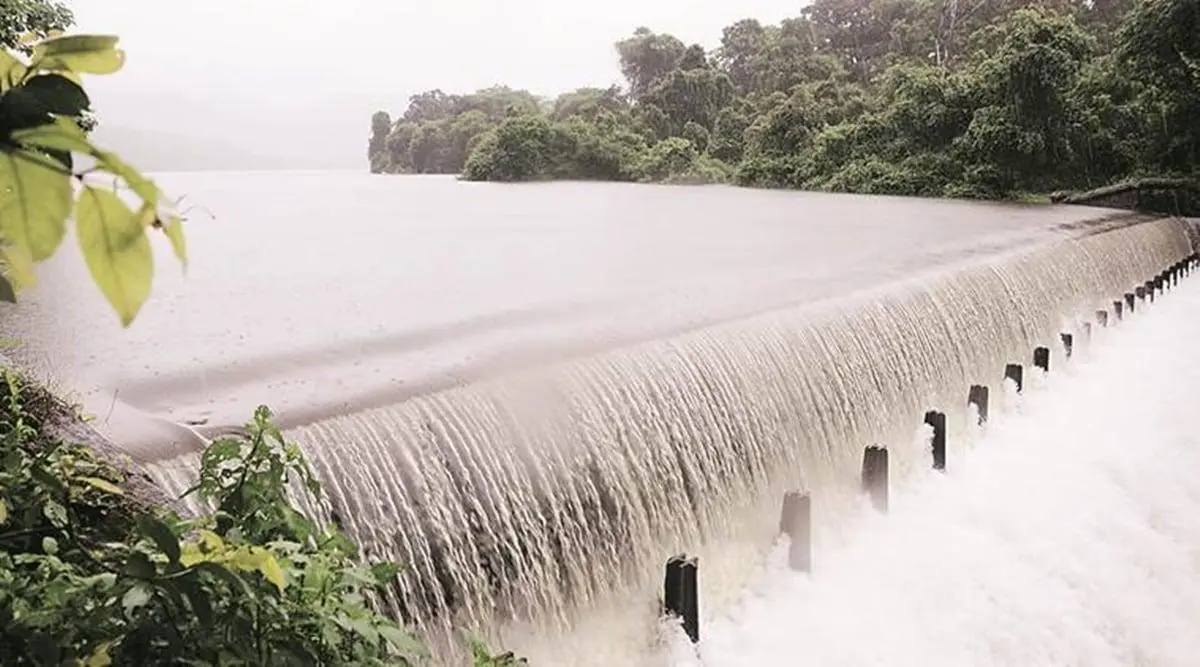
Mumbai’s monsoon has brought encouraging news for the city’s water supply as Tulsi Lake overflow Mumbai became one of the biggest developments following continuous rainfall across the region. After days of steady showers, Tulsi Lake started overflowing, joining Vihar Lake as water levels across Mumbai’s reservoir system continued to rise.
The development comes as a welcome relief for residents who depend on the city’s seven lakes for their daily water requirements. Strong rainfall across the catchment areas has significantly improved reservoir storage, strengthening hopes for a stable water supply during the coming months.
Officials continue to monitor the situation closely while ensuring that overflow from the lakes is managed safely. Although overflowing reservoirs indicate healthy water reserves, authorities also remain alert to weather conditions that could cause flooding in low-lying areas if rainfall continues at a high intensity.
Mumbai experiences one of India’s most active monsoon seasons every year. The city’s lakes play a crucial role in storing rainwater collected during these months before supplying it to millions of households throughout the year.
Continuous rainfall has increased inflows into several reservoirs, allowing water levels to rise steadily. The overflow of Tulsi Lake reflects the positive impact of widespread rainfall across the surrounding catchment regions.
Water experts note that healthy reservoir levels reduce the risk of water shortages during the dry season. Maintaining adequate storage early in the monsoon is considered an important factor in ensuring uninterrupted supply for residential, commercial, and industrial users.
Mumbai’s drinking water largely depends on a network of seven reservoirs located in and around the metropolitan region. These lakes collectively supply water to millions of residents every day.
Each reservoir contributes differently depending on rainfall, storage capacity, and seasonal demand. As additional lakes approach full capacity, the overall water security of the city improves significantly.
The latest rise in reservoir levels has generated optimism among civic authorities, who continue monitoring storage figures throughout the monsoon season.
While abundant rainfall benefits water storage, it also creates challenges for transportation and civic infrastructure. Heavy showers often result in waterlogging, traffic congestion, and temporary disruptions to daily life across several parts of Mumbai.
Municipal authorities continue working to improve drainage systems while issuing weather advisories whenever heavy rainfall is expected. Residents are advised to stay informed through official updates and exercise caution while travelling during periods of intense rain.
Despite these challenges, overflowing lakes remain an encouraging sign for the city’s long-term water management efforts.
The overflow of Tulsi Lake is a positive sign for Mumbai’s overall water management system. Every year, the city closely monitors reservoir levels during the monsoon because these lakes serve as the primary source of drinking water for millions of residents. When lakes begin overflowing early in the rainy season, it indicates that catchment areas are receiving sufficient rainfall and that water reserves are steadily improving.
Experts believe that healthy reservoir levels reduce the possibility of water shortages later in the year. If rainfall continues at a moderate pace over the coming weeks, Mumbai’s lakes could maintain comfortable storage levels for an extended period, helping civic authorities manage the city’s water needs more efficiently.
Mumbai’s annual monsoon is more than just a seasonal weather event. It is essential for replenishing reservoirs, supporting groundwater levels, and ensuring a reliable water supply throughout the year. Every spell of rainfall contributes to the city’s long-term water security, particularly when catchment areas receive widespread precipitation.
The Brihanmumbai Municipal Corporation (BMC) regularly tracks water storage in all seven lakes and shares updates with the public. These reports help residents understand the city’s water situation and provide transparency regarding reservoir levels during the monsoon season.
While the recent rainfall has brought encouraging developments, officials continue monitoring changing weather conditions to ensure safe water management.
Although overflowing lakes are beneficial for water storage, heavy rainfall also requires continuous monitoring. Civic authorities remain prepared to respond to any weather-related challenges, including waterlogging, traffic disruptions, and flooding in vulnerable locations.
Disaster management teams, emergency services, and municipal departments coordinate their efforts during periods of intense rainfall to minimise inconvenience to residents. Drainage systems are inspected regularly, and weather advisories are issued whenever necessary to keep the public informed.
Citizens are encouraged to stay updated through official weather forecasts and avoid unnecessary travel during periods of extremely heavy rainfall.
For many Mumbai residents, news of rising reservoir levels provides reassurance after previous years when concerns over water availability became a major issue. Adequate storage in the city’s lakes reduces uncertainty regarding future water supply and supports households, businesses, healthcare facilities, and other essential services.
Environmental experts also highlight the importance of responsible water usage, even when reservoirs are full. Conserving water remains necessary because demand continues throughout the year, and sustainable management helps protect resources for future generations.
The recent improvement in reservoir levels also highlights the importance of effective rainwater management and long-term planning. Experts believe that maintaining healthy lakes during the monsoon not only supports the city’s growing population but also strengthens Mumbai’s resilience against future water shortages and changing climate conditions.
The overflow of Tulsi Lake marks another encouraging milestone in Mumbai’s monsoon season. Along with rising levels in Vihar Lake and other reservoirs, it reflects the positive impact of consistent rainfall across the city’s catchment areas.
As the monsoon continues, authorities will closely monitor reservoir storage, rainfall patterns, and public safety while ensuring efficient water management. If favourable weather conditions persist, Mumbai could maintain strong water reserves for the coming months, reducing concerns over drinking water availability.
While heavy rains may continue to present temporary challenges such as traffic congestion and waterlogging, improved reservoir levels remain one of the season’s biggest advantages. The latest development highlights the importance of effective water conservation, modern reservoir management, and continued investment in infrastructure that supports the needs of one of India’s largest metropolitan cities.
Source: ANI

Your trusted source for news, updates, and insights from India and around the world.
Copyright © 2020–2026 NEWSHOTS. All Rights Reserved.