16-MAY-2025,07:10 PM In the aftermath of the reported strikes under Operation Sindoor, tensions between India and Pakistan have once again surged. However, in a surprising shift in tone, Pakistan’s Prime Minister Shehbaz Sharif has called for renewed dialogue with India. As diplomatic and military observers analyze the implications of both the strikes and the subsequent outreach, the region finds itself at another critical juncture.
Shehbaz Sharif : Surprising Call for Dialogue
Shehbaz Sharif : Prime Minister Appeals for Peace After High Tensions
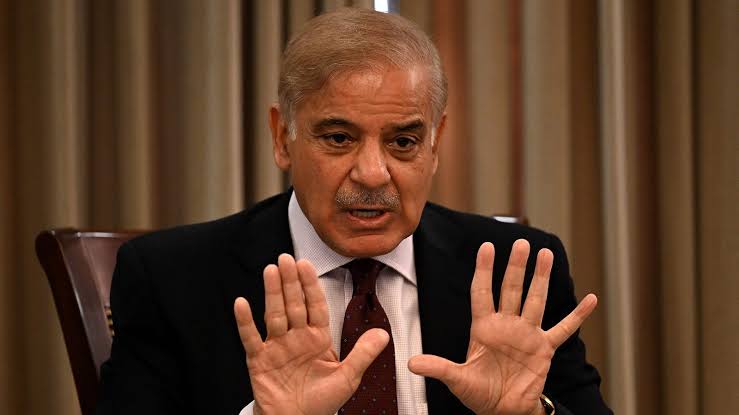
Prime Minister Shehbaz Sharif addressed the nation and international media on Tuesday, urging for calm and diplomacy following the reported Indian strikes that targeted key positions in Pakistan-administered territories as part of Operation Sindoor.
In his statement, Shehbaz Sharif said:
“While we condemn any form of aggression on our soil, we must acknowledge that war cannot be the answer. It is imperative that India and Pakistan return to the negotiation table and resolve all issues through peaceful dialogue.”
This marks a notable departure from Islamabad’s usual rhetoric, which has historically been defiant and uncompromising in response to Indian military actions. Observers suggest that the domestic situation within Pakistan, coupled with increasing global scrutiny, might have influenced Sharif’s conciliatory tone.
Shehbaz Sharif : Understanding Operation Sindoor and Its Impact
Shehbaz Sharif : India’s Assertive Military Strategy
Operation Sindoor, reportedly launched by India in retaliation to cross-border terrorism and infiltration attempts, targeted suspected terrorist launchpads and military installations near the Line of Control (LoC). While official confirmation from the Indian government has been minimal, sources indicate that precision airstrikes and coordinated ground action were carried out.
The strikes have been seen as part of India’s “zero tolerance” policy on terrorism, especially in the context of rising security threats in Jammu & Kashmir. Initial reports suggest that the operation was successful in dismantling key terror infrastructure.
The reaction from Pakistan was swift, with the military claiming it thwarted the attacks and warned of serious consequences. Yet the absence of immediate military escalation from Pakistan, and Shehbaz Sharif’s push for dialogue, indicates a more measured response—perhaps influenced by economic pressures and diplomatic isolation.
Domestic Pressure and Economic Concerns in Pakistan
Shehbaz Sharif Faces Multiple Crises at Home
Internally, Shehbaz Sharif is battling on several fronts. Pakistan’s economy remains fragile, with inflation skyrocketing and the currency under immense strain. The nation is also trying to recover from political instability following recent elections and widespread protests.
Given these domestic challenges, experts believe Sharif may be seeking to avoid a prolonged conflict with India, which could further destabilize the country. Instead, he is leaning on diplomacy and international intervention to manage the fallout from Operation Sindoor.
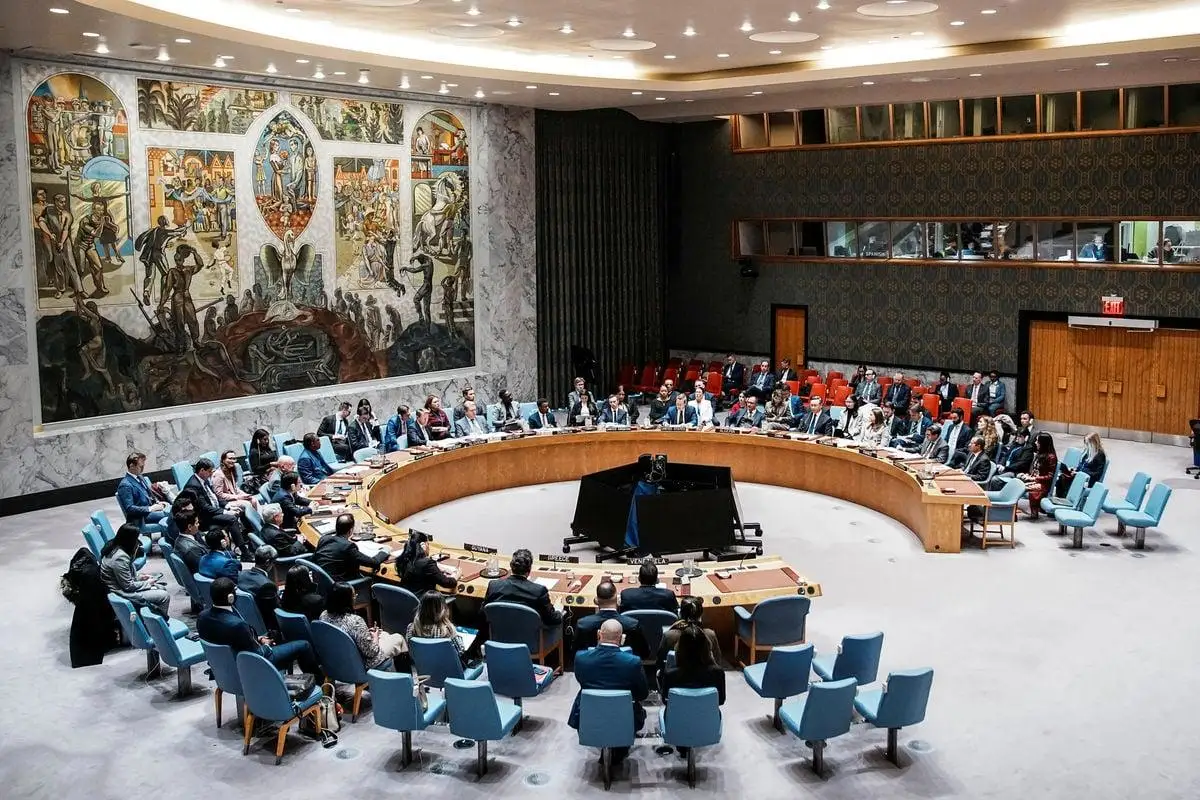
His statement also included an appeal to the United Nations and other global stakeholders:
“We urge the international community to play its role in de-escalating tensions and encouraging a return to the negotiating table.”
India’s Response to Shehbaz Sharif’s Outreach
New Delhi Maintains Firm Stance, Calls for Action Over Words
While Shehbaz Sharif’s call for dialogue may sound conciliatory, New Delhi has responded with cautious skepticism. Indian officials have reiterated that any future discussions with Pakistan must be based on verifiable actions, particularly concerning cross-border terrorism.
An Indian foreign ministry spokesperson noted:
“We are always open to peaceful dialogue. However, words must be matched with tangible action. Pakistan must dismantle the terror networks operating from its soil for any meaningful talks to proceed.”
This position reflects India’s long-standing policy that dialogue and terror cannot go hand-in-hand.
International Reactions and Mediation Efforts
Global Powers Urge Restraint, Back Peace Initiatives
Major global powers including the United States, China, and members of the European Union have expressed concern over the recent escalation. The U.S. State Department issued a statement encouraging both nations to “exercise restraint and explore diplomatic channels to resolve disputes.”
China, a key regional player with interests in both countries, echoed similar sentiments. Analysts suggest that behind-the-scenes diplomatic efforts are already underway, with backchannel discussions facilitated by neutral third parties.
This international push for peace may have emboldened Shehbaz Sharif to publicly advocate for dialogue, providing him with both political cover and potential international support.
Historical Context: Is Shehbaz Sharif Charting a New Path?
A Break From Pakistan’s Traditional Military Posture
Historically, Pakistan’s leadership, often influenced heavily by its military establishment, has responded aggressively to Indian operations. However, Shehbaz Sharif’s approach indicates a more nuanced strategy.
While the military remains a dominant force in Pakistan’s policy-making, Sharif’s civilian government appears to be trying to assert a more diplomatic path—balancing domestic priorities with regional stability.
Some critics, however, argue that this may be mere posturing aimed at gaining international sympathy and deflecting attention from internal failures. Time will tell whether this overture is sincere or simply a tactical pause.
The Road Ahead: Will Dialogue Actually Happen?
Hope for Peace Amid Continued Tension
Despite Shehbaz Sharif’s appeal, the prospects for formal India-Pakistan dialogue remain uncertain. Trust deficits, political compulsions, and a long history of failed talks loom large over any potential engagement.
However, experts point out that communication at any level—official or backchannel—is preferable to a complete breakdown. Sharif’s remarks, even if symbolic, could lay the groundwork for lower-level talks or confidence-building measures.
Conclusion: A Critical Moment for India-Pakistan Relations
The aftermath of Operation Sindoor and Shehbaz Sharif’s diplomatic outreach represent a critical moment for India-Pakistan relations. Whether this leads to a de-escalation or further deepens the divide will depend on how both nations navigate the coming weeks.
What remains clear is that the path to peace is neither easy nor guaranteed—but efforts, even symbolic ones, are steps in the right direction. Shehbaz Sharif, through his unexpected shift in tone, has opened a narrow but significant window. The question now is whether both sides—and the international community—can capitalize on it.
Source : ANI