New Rules for LPG Prices, Railway Ticket Booking, and UPI Security Implemented in India
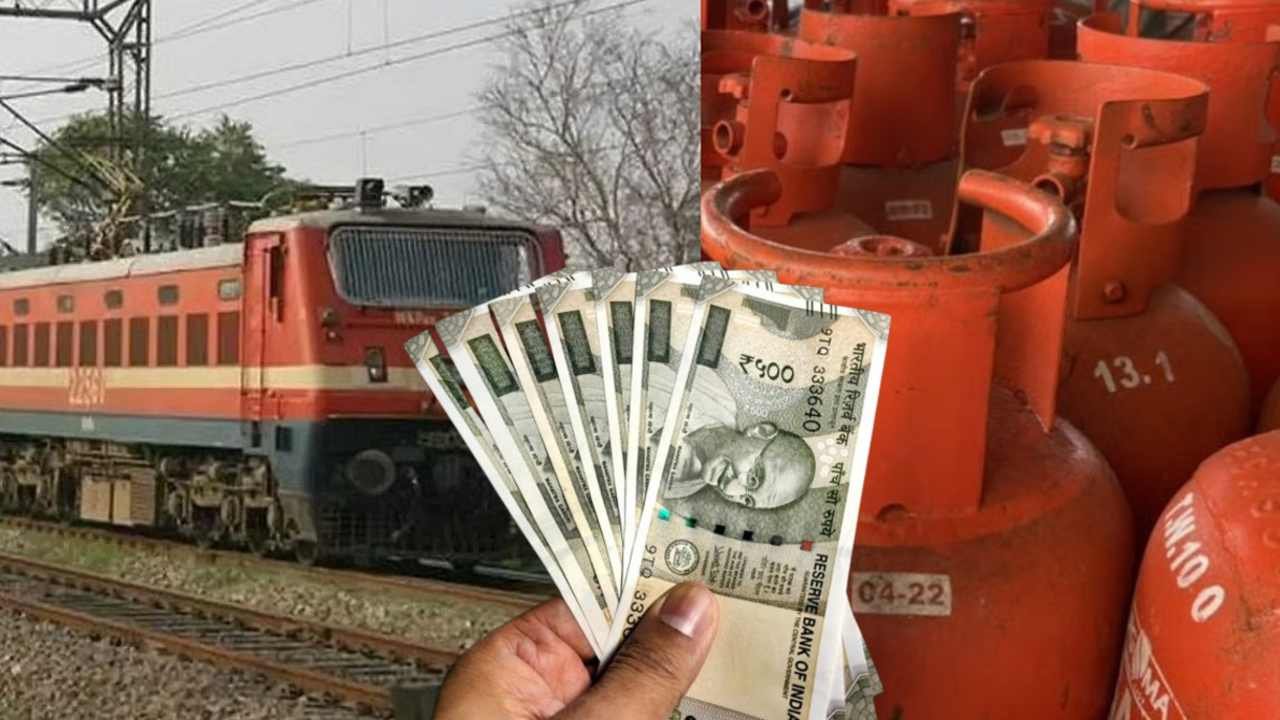
9-MAR-2026, 11:03 AM The Government of India has implemented several important policy changes affecting daily services such as LPG cylinder pricing, railway ticket booking procedures, and digital payment security through the Unified Payments Interface (UPI).
These new rules aim to enhance transparency, improve user convenience, and strengthen security across essential services used by millions of citizens every day.
Changes in LPG Cylinder Pricing
One of the key updates relates to domestic and commercial LPG cylinder prices. Under the revised system, LPG prices may be reviewed more frequently to reflect fluctuations in global energy markets.
The changes impact cylinders distributed by major public sector companies such as
Indian Oil Corporation
Bharat Petroleum
Hindustan Petroleum
The new pricing structure aims to maintain a balance between global fuel price trends and domestic affordability for consumers.
Consumers may notice periodic price adjustments depending on international crude oil prices and supply conditions.
New Railway Ticket Booking Guidelines
Another major change affects passengers booking train tickets through the Indian Railway Catering and Tourism Corporation (IRCTC).
The updated rules aim to improve booking efficiency and reduce fraudulent reservations. Key highlights include:
Improved verification procedures during online ticket booking
Enhanced security for passenger identity validation
Measures to prevent automated bots from blocking ticket availability
These steps are expected to make ticket booking smoother and fairer for millions of railway passengers across India.
Indian Railways continues to modernise its digital infrastructure as demand for online ticket reservations continues to grow rapidly.
Stronger UPI Security Measures
Digital payments have become an integral part of everyday life in India. To ensure safe transactions, authorities have introduced enhanced security measures for UPI platforms.
The system is operated by the National Payments Corporation of India (NPCI), which manages the UPI network.
Key improvements include:
Stronger transaction authentication protocols
Alerts for suspicious transactions
Improved fraud detection systems
Additional safeguards for high-value payments
These upgrades are designed to protect users from cyber fraud and unauthorised transactions while maintaining the speed and convenience that UPI users expect.
Impact on Everyday Consumers
These new rules affect millions of Indians who rely on LPG for cooking, trains for travel, and UPI for digital payments.
The reforms are expected to:
Improve transparency in LPG pricing
Enhance fairness in railway ticket booking
Strengthen security for digital payments
Together, these changes reflect the government’s broader push toward digital modernization and improved public service systems.
Digital Transformation of Public Services
India has been rapidly expanding digital infrastructure in recent years. Initiatives such as UPI, online railway booking, and digital subsidy transfers have transformed the way citizens access essential services.
The latest policy changes are part of ongoing efforts to make these systems more secure, efficient, and user-friendly.
What Consumers Should Know About the New Changes
The latest changes are relevant to consumers because they cover three services that are regularly used across the country. While LPG pricing affects household and business expenses, railway booking rules are important for passengers planning journeys, and UPI security measures directly affect digital payment users.
Consumers should pay attention to official notifications and service updates as the revised systems are implemented. Understanding the changes can help users avoid confusion and ensure that they follow the latest procedures when accessing these services.
LPG Users May Need to Track Price Updates
LPG consumers may need to monitor updated cylinder prices more regularly if pricing reviews become more frequent. Changes in international energy markets and supply conditions can influence domestic rates, making it important for households to check the applicable price before placing a new cylinder order.
Commercial establishments that use larger quantities of LPG may also need to factor price changes into their operating budgets. Restaurants, food businesses, and other users can review their consumption patterns and focus on reducing unnecessary fuel wastage.
Railway Passengers and Online Booking
For railway passengers, stronger verification and anti-fraud measures are intended to make the online reservation process more reliable. The increased focus on identity validation and preventing automated booking activity could help reduce unfair access to limited ticket availability.
Passengers should ensure that their account and identification details remain accurate when using online railway services. Keeping login information secure is also important, particularly as more travel-related activities are conducted digitally.
The modernisation of railway booking systems reflects the growing demand for convenient online reservations and better protection against misuse of digital platforms.
UPI Users Should Remain Alert
The additional security measures for UPI transactions are designed to strengthen protection against fraudulent activity. However, users should continue following basic digital payment precautions.
Customers should never share their UPI PIN, passwords, or one-time authentication details with another person. They should also verify the recipient and transaction amount before approving a payment and avoid clicking on suspicious links received through messages or unknown sources.
Banks and payment platforms may continue introducing additional safeguards as digital transactions increase. User awareness therefore remains an important part of preventing payment-related fraud.
Broader Impact of the Policy Changes
Taken together, these developments show the increasing importance of technology in India’s essential services. From purchasing cooking fuel and booking railway tickets to completing everyday payments, consumers are increasingly dependent on digital systems.
The effectiveness of these changes will depend not only on the new rules but also on how smoothly they are implemented. Clear communication, reliable digital infrastructure, and public awareness will be important for ensuring that consumers can adapt without unnecessary difficulty.
As India continues expanding its digital public-service ecosystem, regular updates to pricing systems, booking procedures, and payment security are likely to remain an important part of improving convenience and protecting users.
Conclusion
The introduction of new rules for LPG pricing, railway ticket booking, and UPI security marks another step in India’s efforts to modernize essential services. By improving transparency, strengthening security, and enhancing digital systems, the government aims to provide safer and more efficient services to citizens across the country.
As these rules take effect, consumers are encouraged to stay updated and follow official guidelines when using LPG services, booking train tickets, or making digital payments.
SOURCE: ABP NEWS