
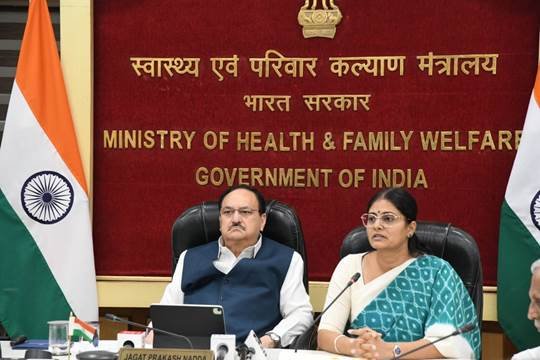
Authorities Continue Monitoring Public Health and Seasonal Disease Preparedness in India
20-MAR-2026, 1:00 PM: Authorities across India are actively monitoring public health conditions and strengthening preparedness for seasonal diseases. With changing weather patterns and increasing health risks, the Ministry of Health and Family Welfare, along with state governments, is taking proactive steps to prevent outbreaks and ensure that healthcare systems are ready to respond effectively.
Public health preparedness has become a critical priority, especially after recent global and national health challenges. Seasonal diseases such as dengue, malaria, influenza, and waterborne infections tend to rise during specific times of the year, making early planning and monitoring essential.
Importance of Seasonal Disease Preparedness
Seasonal diseases are influenced by climatic conditions such as temperature, humidity, and rainfall. In India, the monsoon and post-monsoon periods are particularly associated with an increase in vector-borne and waterborne diseases.
Preparedness is crucial to:
Prevent large-scale outbreaks
Reduce pressure on healthcare systems
Ensure timely diagnosis and treatment
Protect vulnerable populations
The Ministry of Health and Family Welfare is working closely with local authorities to identify high-risk areas and implement preventive measures.
Key Diseases Under Surveillance
Authorities are focusing on monitoring several seasonal diseases:
Dengue and Malaria
These mosquito-borne diseases are among the most common during the monsoon season. Efforts are being made to control mosquito breeding through sanitation drives and public awareness campaigns.
Influenza and Respiratory Infections
Seasonal flu and respiratory illnesses increase during temperature changes. Health departments are ensuring the availability of vaccines and medicines.
Waterborne Diseases
Diseases like cholera, typhoid, and diarrhea often spread due to contaminated water. Ensuring clean drinking water and proper sanitation is a key focus area.
Role of Government Agencies
The Ministry of Health and Family Welfare plays a central role in coordinating public health efforts. It issues guidelines, monitors disease trends, and provides support to state governments.
Other agencies and departments are also involved, including
Local health departments
Municipal bodies
Disaster management authorities
These organisations work together to ensure a coordinated response to potential health risks.
Strengthening Healthcare Infrastructure
To handle potential outbreaks, authorities are focusing on improving healthcare infrastructure. This includes:
Increasing hospital capacity
Ensuring availability of medicines and equipment
Training healthcare workers
Setting up emergency response systems
Preparedness also involves maintaining sufficient stock of essential diagnostic kits.
Use of Technology in Monitoring
Technology is playing an important role in public health monitoring. Digital tools and data analytics are being used to:
Track disease outbreaks in real-time
Identify hotspots
Monitor patient data
Improve response time
These systems help authorities make informed decisions and take timely action.
Public Awareness Campaigns
Raising awareness among the public is a key part of disease prevention. Authorities are conducting campaigns to educate people about:
Maintaining hygiene
Avoiding stagnant water
Using mosquito repellents
Drinking clean and safe water
Community participation is essential for the success of these efforts.
Challenges in Public Health Management
Despite strong efforts, several challenges remain:
Population Density
High population density in urban areas increases the risk of disease spread.
Climate Change
Changing weather patterns are making disease trends less predictable.
Resource Constraints
Limited resources in some regions can affect the effectiveness of preparedness measures.
Public Awareness Gaps
Lack of awareness or negligence can lead to increased risk of infections.
Coordination Between the Centre and States
Effective public health management requires strong coordination between the central and state governments. The Ministry of Health and Family Welfare works closely with state authorities to ensure uniform implementation of guidelines.
Regular meetings, data sharing, and joint action plans help improve coordination and response efficiency.
Role of Healthcare Workers
Healthcare workers are at the front line of public health management. Their responsibilities include:
Diagnosing and treating patients
Conducting field surveys
Spreading awareness
Reporting cases
Training and support for healthcare workers are essential to ensure an effective response.
Preparedness for Emergencies
Authorities are also preparing for potential health emergencies by:
Setting up rapid response teams
Conducting mock drills
Ensuring availability of emergency resources
These measures help in quick action during outbreaks, minimising impact.
Long-Term Public Health Strategy
Beyond immediate preparedness, the government is focusing on long-term strategies to strengthen public health systems. These include:
Improving sanitation and hygiene infrastructure
Expanding healthcare access
Promoting preventive healthcare
Investing in research and development
Such initiatives aim to create a more resilient healthcare system.
Community Participation in Disease Prevention
Community participation is an important part of preventing seasonal diseases. Local residents can support public health efforts by keeping their surroundings clean, removing stagnant water, and following recommended hygiene practices. These simple measures can help reduce conditions that allow infections and mosquito-borne diseases to spread.
Schools, workplaces, and community organisations can also contribute by sharing reliable health information and encouraging people to take preventive precautions. Awareness programs can help individuals recognise common symptoms and understand when medical attention may be necessary.
Monitoring High-Risk Areas
Health authorities may give particular attention to areas where seasonal diseases are reported more frequently. Regular field inspections and disease surveillance can help identify potential risks and support timely preventive action.
Local healthcare facilities can also assist by maintaining communication with health departments and reporting unusual increases in patients with similar symptoms. This information can help officials assess emerging patterns and allocate resources where they may be needed most.
Importance of Reliable Health Information
Accurate information is essential during seasonal disease periods. Rumors or unverified health advice can create confusion and may prevent people from taking appropriate precautions.
Authorities and healthcare professionals can help by providing clear updates through trusted communication channels. Residents should also verify health-related information before sharing it with others.
A combination of government preparedness, healthcare support, community participation, and responsible information sharing can strengthen India’s ability to manage seasonal health risks effectively.
Conclusion
The continuous monitoring of public health and seasonal disease preparedness by authorities, led by the Ministry of Health and Family Welfare, reflects a proactive approach to safeguarding the population. By focusing on prevention, infrastructure, awareness, and coordination, India is working to minimise the impact of seasonal diseases.
While challenges remain, sustained efforts and community participation can significantly improve outcomes. As health risks evolve, the importance of preparedness and vigilance becomes even more critical in ensuring a healthy and resilient nation.


2 thoughts on “Ministry of Health and Family Welfare Monitors Public Health and Seasonal Disease Preparedness Across India”