
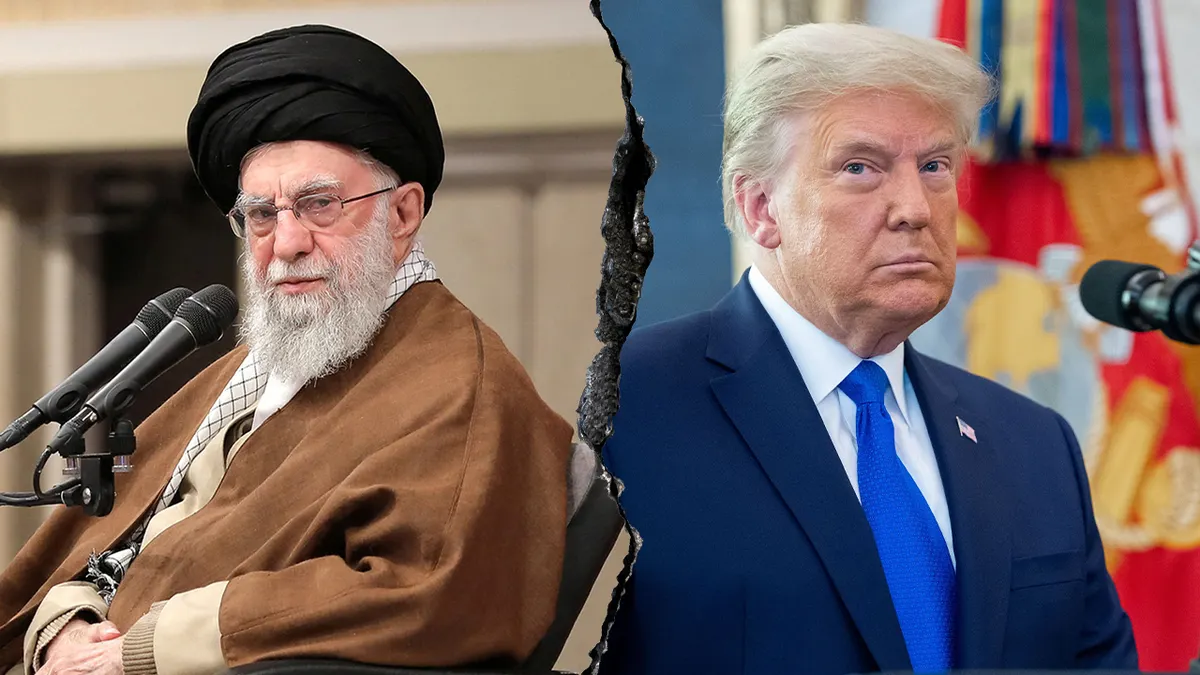
26-MAR-2026, 12:34 PM: In a surprising and controversial statement, Donald Trump claimed that Iran had floated the idea of him becoming its Supreme Leader during ongoing tensions and diplomatic discussions. Responding with a sharp and characteristic remark—“No, thank you”—Trump’s comment quickly grabbed global attention.
The statement comes at a time when relations between the United States and Iran remain highly strained, with ongoing conflicts, leadership uncertainty, and stalled negotiations shaping the geopolitical landscape.
What Trump Actually Said
Donald Trump’s remark about being “floated” as Iran’s Supreme Leader appears to have been made in a sarcastic or rhetorical context. His response—“No, thank you”—was widely interpreted as a dismissive comment rather than a literal political development.
The statement reflects Trump’s typical communication style, often blending humour, criticism, and bold claims to make a point about international politics.
Context: Rising US-Iran Tensions
The comment comes amid escalating tensions between the United States and Iran. Recent developments include:
- Ongoing military conflict involving regional powers
- Disruptions in the Strait of Hormuz affecting global oil supply
- Increasing hostility and breakdown of diplomatic communication
In fact, Trump recently stated that there may be “no leaders left to talk to” in Iran, highlighting the deteriorating state of negotiations.
This context helps explain the tone and timing of his controversial remark.
Who Is Iran’s Supreme Leader?
To understand the significance of Trump’s statement, it’s important to know the role of Iran’s Supreme Leader.
The Supreme Leader of Iran is the highest authority in the country, holding control over:
- The armed forces
- Key government institutions
- Major policy decisions
As of 2026, the position is held by Mojtaba Khamenei, who succeeded his father during a period of intense conflict and political uncertainty.
Given the power associated with this role, Trump’s comment—though likely sarcastic—has drawn widespread attention.
Why the Statement Is Controversial
Trump’s remark has sparked debate for several reasons:
1. Diplomatic Sensitivity
Comments involving leadership positions in another country can be seen as provocative, especially during ongoing tensions.
2. Timing
The statement comes at a time when diplomatic talks are fragile and geopolitical risks are high.
3. Public Perception
Some view the comment as humorous, while others see it as inappropriate given the seriousness of the situation.
Leadership Crisis in Iran
Iran itself is currently facing internal uncertainty regarding leadership. Reports suggest that the country’s new Supreme Leader, Mojtaba Khamenei, has not been publicly visible for extended periods, raising questions about stability.
This uncertainty adds another layer to Trump’s remarks, as leadership dynamics in Iran remain under global scrutiny.
Reactions From Around the World
Trump’s comment has triggered mixed reactions:
Supporters Say:
- It reflects his bold and unfiltered style
- It highlights the absurdity of the geopolitical situation
Critics Argue:
- It undermines diplomatic seriousness
- It may escalate tensions further
Political analysts suggest that such statements can influence public discourse but may complicate diplomatic efforts.
The Role of Humour in Politics
Donald Trump is known for using humour and sarcasm in his political messaging. While this approach helps him connect with supporters, it often leads to controversy.
In this case, the remark about becoming Iran’s Supreme Leader can be seen as:
- A satirical take on negotiations
- A critique of Iran’s political system
- A way to dominate media narratives
However, humor in international politics is a double-edged sword—it can engage audiences but also create misunderstandings.
Impact on Diplomatic Relations
Statements like these, even if made jokingly, can have real-world implications:
- They may affect ongoing negotiations
- They can influence public opinion in both countries
- They might be used in political narratives by opposing sides
Given the already tense relationship between the US and Iran, such remarks add to the complexity of diplomacy.
Media and Social Media Buzz
The statement quickly went viral across news platforms and social media. Memes, debates, and discussions flooded the internet, showing how modern politics is deeply intertwined with digital culture.
The phrase “No, thank you” became particularly popular, symbolizing Trump’s blunt and humorous response.
What This Means Moving Forward
While the remark may not have any direct political implications, it reflects the current state of global politics—where communication is instant, informal, and often controversial.
Key takeaways include:
- The importance of careful communication in diplomacy
- The growing role of personality-driven politics
- The influence of media narratives on global perception
Conclusion
Donald Trump’s remark about being floated as Iran’s Supreme Leader—followed by his witty “No, thank you”—is a striking example of how modern political discourse blends humour with serious issues.
While the comment may have been made in jest, it highlights the ongoing tensions between the United States and Iran, as well as the complexities of global diplomacy.
In a world where every statement can go viral within seconds, even a sarcastic remark can spark international debate—proving once again that words, especially in politics, carry significant weight.
SOURCE: ABP NEWS

One thought on “Donald Trump Says Iran Floated Him as Supreme Leader Amid Talks Row; “No, Thank You,” He Quips”