
Your daily dose of news, covering the latest updates in politics, business, sports, entertainment, and more from India and around the world.
Your daily dose of news, covering the latest updates in politics, business, sports, entertainment, and more from India and around the world.
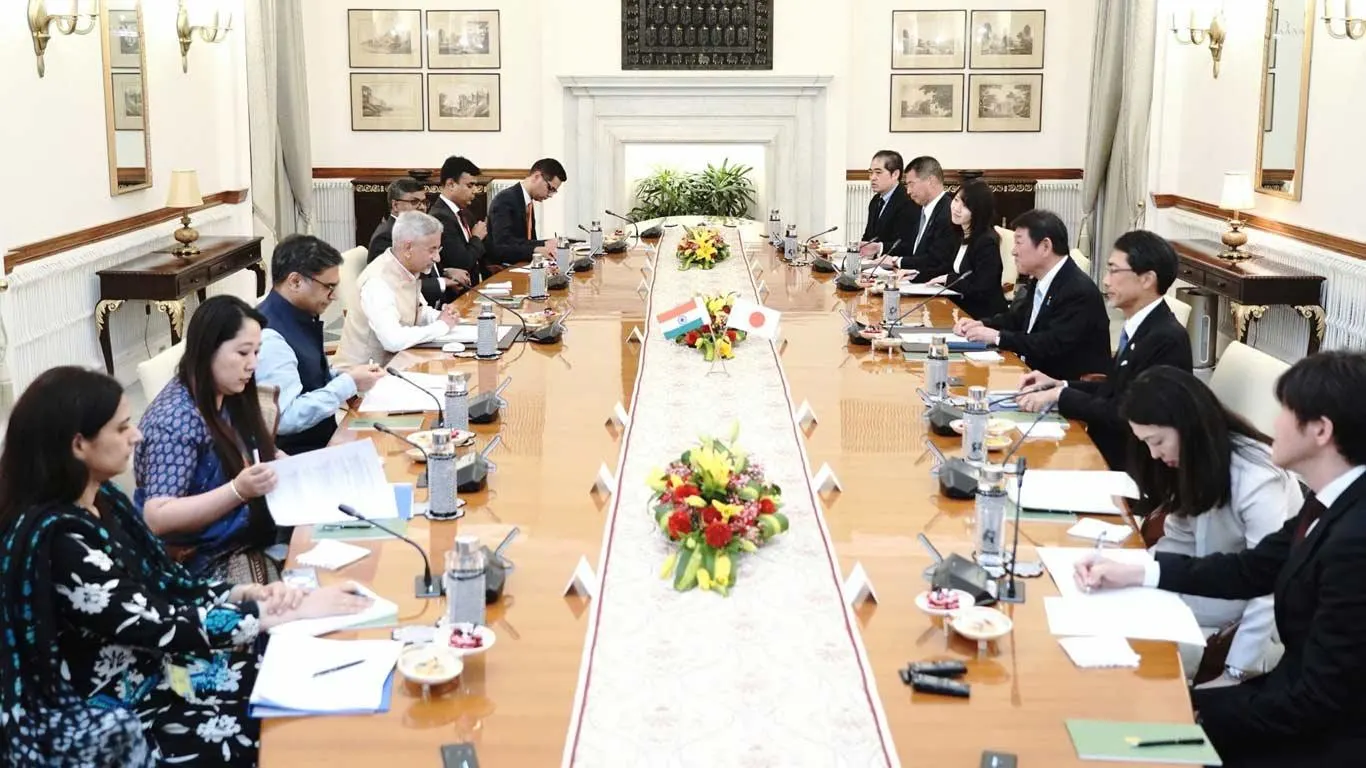
India and Japan reaffirmed their long-standing strategic partnership as Japanese Prime Minister Sanae Takaichi met Prime Minister Narendra Modi during the 16th India-Japan Annual Summit in New Delhi. The high-level meeting focused on expanding cooperation in artificial intelligence, defence, semiconductors, clean energy, critical minerals, and economic security.
The summit comes at a time when both countries are looking to strengthen regional stability, boost trade, and deepen collaboration in emerging technologies. India and Japan have maintained close diplomatic and economic ties for several decades, with regular annual summits helping both nations review existing partnerships and explore new areas of cooperation.
During the bilateral meeting, Prime Minister Narendra Modi and Prime Minister Sanae Takaichi reviewed progress made under the India-Japan Special Strategic and Global Partnership. According to official statements, the discussions covered regional security, Indo-Pacific cooperation, digital innovation, resilient supply chains, infrastructure development, and investment opportunities.
Both leaders emphasized the importance of maintaining a free, open, and rules-based Indo-Pacific region while continuing cooperation in areas that contribute to economic growth and regional stability.
The meeting also reflected the growing importance of India and Japan as strategic partners in addressing global economic and technological challenges.
One of the key highlights of the summit was cooperation in advanced technologies, particularly artificial intelligence and semiconductor manufacturing. Both countries acknowledged the growing role of AI in economic development, public services, healthcare, manufacturing, and digital governance.
The leaders also discussed expanding collaboration in semiconductor production and research, recognising the importance of secure and resilient technology supply chains. As global demand for advanced electronic components continues to increase, stronger cooperation between India and Japan is expected to benefit both economies.
Digital transformation, innovation, cybersecurity, and emerging technologies were also among the important subjects discussed during the meeting.
Trade and investment remained another major focus of the summit. Japan has been one of India’s leading foreign investors, supporting projects across infrastructure, transportation, manufacturing, renewable energy, and industrial development.
Both sides reviewed ongoing investment initiatives while exploring opportunities for further cooperation in high-growth sectors. Officials expressed confidence that stronger business partnerships would create employment opportunities, encourage innovation, and contribute to sustainable economic development.
The leaders also discussed improving supply chain resilience and promoting greater collaboration between businesses from both countries.
Defence cooperation continues to be an important pillar of India-Japan relations. During the summit, both leaders reviewed ongoing defence exchanges, maritime cooperation, and joint efforts aimed at promoting peace and stability across the Indo-Pacific region.
They reaffirmed their commitment to strengthening defence dialogue, enhancing military cooperation, and supporting international rules-based security frameworks. Maritime security, disaster response cooperation, and regional stability also formed part of the discussions.
The summit placed strong emphasis on expanding cooperation in clean energy.India and Japan have been working together on projects related to renewable energy, green hydrogen, energy efficiency, and sustainable infrastructure. As both countries pursue long-term climate and energy goals, expanding collaboration in these sectors is expected to benefit economic growth while supporting environmental sustainability.
The leaders also discussed opportunities to encourage private-sector investment in clean technologies. Japanese companies continue to participate in infrastructure and manufacturing projects across India, while Indian businesses are exploring new opportunities in the Japanese market. Strengthening these economic ties remains a key objective for both governments.
Infrastructure cooperation has been one of the strongest pillars of India-Japan relations over the years. Japan has supported several major development projects in India, including metro rail systems, industrial corridors, and high-speed rail initiatives.
The leaders assessed the status of ongoing infrastructure projects and explored ways to speed up their implementation during the meeting. They also explored future investments in urban development, transportation, logistics, and smart city initiatives.
Officials from both countries emphasized that improved infrastructure can boost trade, enhance connectivity, and create long-term economic opportunities for businesses and communities.
Regional security remained an important topic during the summit. India and Japan reiterated their commitment to maintaining peace, stability, and freedom of navigation across the Indo-Pacific region.
Both leaders highlighted the importance of international cooperation in addressing emerging security challenges and strengthening maritime partnerships. They also reaffirmed support for dialogue, peaceful dispute resolution, and adherence to international law.
The discussions reflected the shared vision of both nations to promote a secure and stable regional environment that supports economic growth and international cooperation.
Beyond strategic and economic cooperation, India and Japan continue to strengthen cultural and educational exchanges. Student exchange programmes, tourism, skill development, and collaboration between academic institutions have helped deepen understanding between the two countries.
The leaders recognized the valuable contributions of businesses, educational institutions, and cultural organisations in deepening bilateral ties. Expanding these exchanges is expected to create new opportunities for innovation, research, and long-term cooperation.
Such initiatives also contribute to stronger ties between the people of both nations, complementing government-level partnerships.
The Japan PM Modi Meeting 2026 marked another important step in strengthening the long-standing partnership between India and Japan. Discussions covering artificial intelligence, defence cooperation, semiconductors, clean energy, trade, infrastructure, and regional security reflected the broad scope of bilateral relations.
As both countries continue working together on strategic and economic priorities, the agreements and discussions from the annual summit are expected to support future collaboration across multiple sectors. Continued dialogue between India and Japan will play an important role in addressing shared global challenges while creating new opportunities for growth, innovation, and sustainable development.
With the successful conclusion of the summit, both governments expressed their commitment to maintaining close cooperation and advancing projects that contribute to mutual prosperity. The meeting further reinforced the importance of the India-Japan partnership as both nations continue expanding collaboration in technology, investment, defence, and regional stability.
Source: ANI

Your trusted source for news, updates, and insights from India and around the world.
Copyright © 2020–2026 NEWSHOTS. All Rights Reserved.