
Your daily dose of news, covering the latest updates in politics, business, sports, entertainment, and more from India and around the world.
Your daily dose of news, covering the latest updates in politics, business, sports, entertainment, and more from India and around the world.
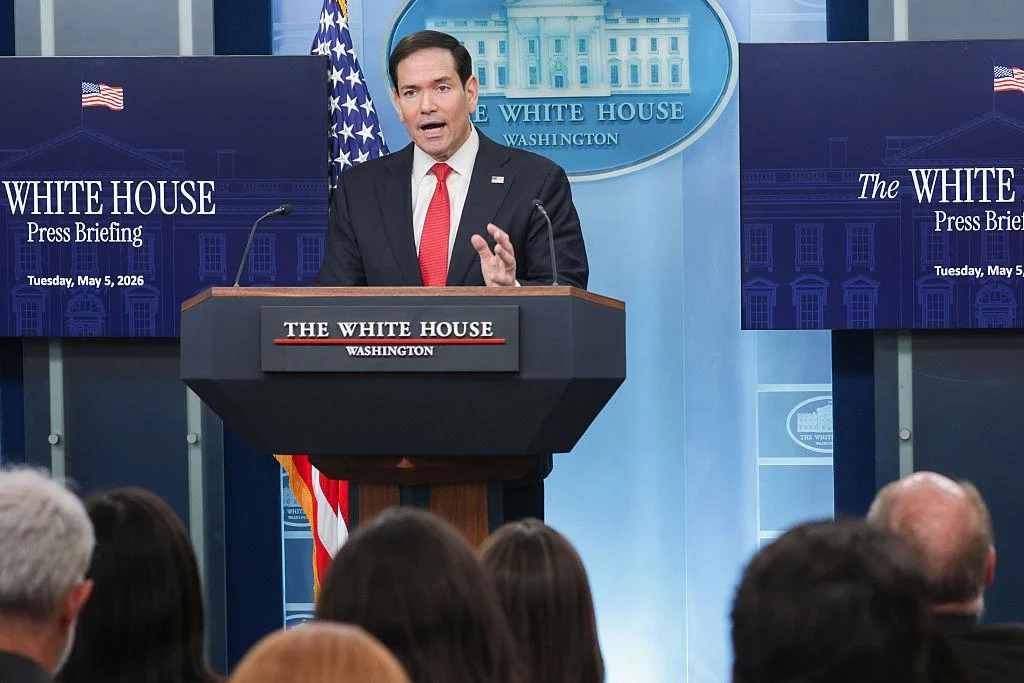
US Secretary of State Marco Rubio has said that Iran has shown signs of willingness to resume diplomatic talks despite growing divisions within its leadership. His remarks come after weeks of heightened tensions between Washington and Tehran over Iran’s nuclear programme and regional security.
Speaking to reporters, Rubio said the United States has received indications that some Iranian officials want to reopen negotiations. However, he also noted that disagreements within Iran’s leadership continue to complicate the decision-making process.
Rubio explained that the United States remains open to diplomacy but expects Iran to demonstrate genuine commitment before formal negotiations begin.
The diplomatic signals emerged after a period of military confrontation in the Middle East. Recent US military operations targeted Iranian military facilities near the Strait of Hormuz, one of the world’s busiest shipping routes. Washington said the operations aimed to reduce security threats and protect international maritime traffic.
US officials continue to argue that Iran’s nuclear programme poses serious regional and global security concerns. President Donald Trump has repeatedly stated that his administration will take every necessary step to prevent Iran from developing nuclear weapons.
Despite the military pressure, Washington continues to leave the door open for diplomatic engagement if Iran chooses to return to negotiations.
Marco Rubio suggested that political divisions inside Iran have influenced the country’s response to recent international developments. According to him, different factions within the Iranian leadership hold different views on future relations with the United States.
Some leaders reportedly support diplomatic engagement to reduce economic pressure and improve international relations. Others continue to oppose negotiations and favour maintaining a tougher position against Western governments.
These internal disagreements have created uncertainty about Iran’s next diplomatic move.
The United States continues to emphasise diplomacy as its preferred approach to resolving the nuclear dispute. Rubio said negotiations remain possible if Iran takes meaningful steps to address international concerns.
He stressed that diplomacy can produce lasting solutions only when both sides participate in good faith. At the same time, he made it clear that Washington will maintain economic sanctions and other pressure measures until Iran changes its approach.
US officials believe diplomacy offers the best opportunity to reduce tensions while avoiding further military escalation in the region.
Governments across Europe, the Middle East, and Asia continue to monitor developments between the United States and Iran. Many countries have encouraged both sides to reduce tensions and return to constructive dialogue.
International observers warn that prolonged instability could affect global energy markets, regional security, and international shipping through the Strait of Hormuz. Diplomatic progress would help reduce uncertainty and strengthen stability across the region.
Several allies of the United States have also expressed support for renewed negotiations if both governments agree on a practical framework.
The coming weeks may determine whether diplomatic contacts develop into formal negotiations. Iran’s leadership must decide whether it wants to pursue talks or continue its current position.
Meanwhile, the United States has indicated that it remains ready to engage while continuing to protect its strategic interests. Any future negotiations will likely focus on Iran’s nuclear programme, regional security, sanctions, and confidence-building measures.
Political analysts believe both governments face difficult decisions. However, many also believe diplomacy still offers the best path toward reducing tensions and preventing another major regional crisis.
The possibility of renewed dialogue between the United States and Iran has attracted attention from governments across the world. Many countries believe that sustained diplomacy can help lower tensions in the Middle East and reduce the risk of further military confrontations. The region plays a critical role in global energy supplies and international trade, making stability a priority for many nations.
The Strait of Hormuz remains one of the world’s busiest shipping routes, with a significant share of global oil exports passing through it every day. Any escalation in tensions around the waterway could disrupt energy markets and increase transportation costs worldwide. Because of this, several countries continue encouraging both Washington and Tehran to resolve their differences through diplomatic channels instead of military action.
International organisations and allied nations have also stressed the importance of maintaining open communication. They believe regular dialogue can prevent misunderstandings, build confidence, and create opportunities for addressing long-standing disputes. While major differences remain between the two countries, diplomatic engagement offers a path toward reducing uncertainty and strengthening regional security.
Many foreign policy experts argue that successful negotiations would not only improve relations between the United States and Iran but also contribute to greater stability across the broader Middle East. As discussions continue, governments around the world will closely monitor every development and encourage peaceful solutions.
Although formal negotiations have not yet resumed, Marco Rubio’s remarks indicate that diplomatic channels remain open. Any future talks would likely focus on several important issues, including Iran’s nuclear programme, regional security, economic sanctions, and measures to rebuild trust between the two countries.
Negotiators would need to address years of political disagreements while balancing domestic and international expectations. Reaching common ground will require careful diplomacy, patience, and meaningful commitments from both sides. Even small steps toward cooperation could help reduce tensions and create opportunities for broader discussions in the future.
Political analysts believe both governments face important strategic decisions in the coming months. While military preparedness continues, diplomacy remains the preferred option for preventing further escalation. The international community hopes both nations will use available diplomatic channels to explore practical solutions that promote peace and regional stability.
As global attention remains focused on developments between Washington and Tehran, future decisions by both governments could significantly influence international relations, energy markets, and security across the Middle East. The coming weeks may therefore prove crucial in determining whether recent diplomatic signals lead to meaningful negotiations or whether tensions continue to dominate the relationship.
Marco Rubio’s comments suggest that diplomatic opportunities still exist despite the ongoing disagreements between Washington and Tehran. Although significant challenges remain, both countries now face an important choice between continued confrontation and renewed dialogue.
If Iran moves toward negotiations, both sides could begin rebuilding communication after months of heightened tensions. Until then, the international community will continue watching every development closely.
Source: ANI

Your trusted source for news, updates, and insights from India and around the world.
Copyright © 2020–2026 NEWSHOTS. All Rights Reserved.