
Your daily dose of news, covering the latest updates in politics, business, sports, entertainment, and more from India and around the world.
Your daily dose of news, covering the latest updates in politics, business, sports, entertainment, and more from India and around the world.
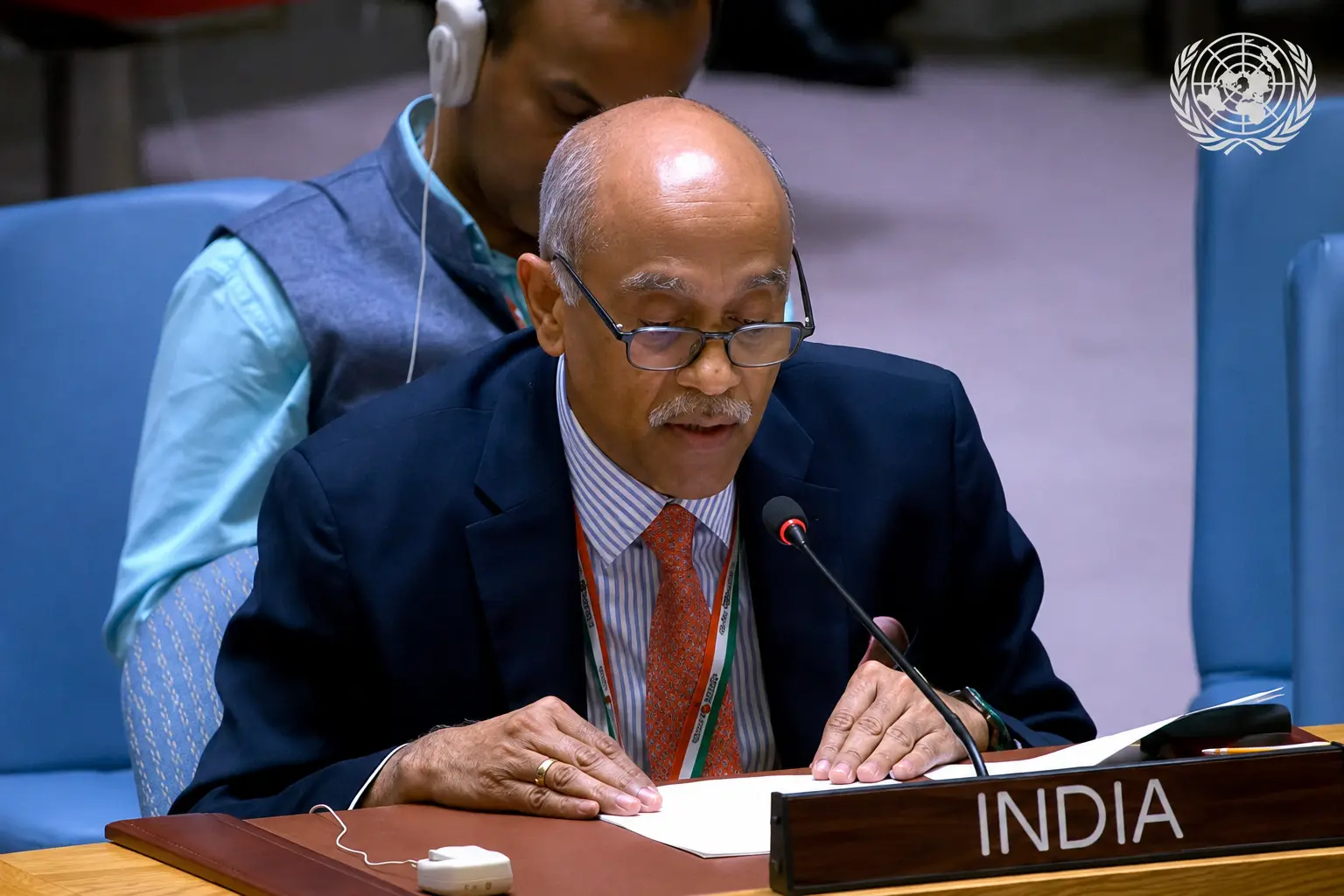
India has urged the international community not to allow recent tensions in the Strait of Hormuz to overshadow the ongoing humanitarian crisis in Gaza. Speaking at the United Nations Security Council (UNSC), India’s representative called for immediate de-escalation in West Asia while emphasizing that global attention must remain focused on the worsening conditions faced by civilians in Gaza.
The statement comes amid rising concerns over regional instability following attacks on commercial vessels in the Strait of Hormuz, a strategically important maritime route for global energy supplies.
Addressing the UNSC, India’s representative stressed the need to reduce tensions across West Asia through dialogue and diplomatic engagement. India expressed concern over recent incidents involving commercial shipping in the Strait of Hormuz and highlighted the importance of ensuring freedom of navigation and maritime security.
The representative noted that continued instability in the region could have serious implications for international trade, energy markets, and regional peace.
India urged all parties to exercise restraint and avoid actions that could further escalate the situation.
While acknowledging the security concerns surrounding the Strait of Hormuz, India emphasized that the humanitarian situation in Gaza must not be overlooked.
The country’s representative called on the international community to continue supporting humanitarian relief efforts and ensure that civilians affected by the conflict receive timely assistance. India reiterated its long-standing position that protecting civilian lives and facilitating humanitarian aid should remain a global priority.
The statement reflects India’s balanced approach of addressing regional security challenges while highlighting humanitarian concerns.
Connecting the Persian Gulf with the Gulf of Oman and the Arabian Sea, the Strait of Hormuz is one of the most strategically significant maritime routes in the world. A significant portion of global crude oil and liquefied natural gas exports passes through the narrow waterway every day.
Any disruption to shipping in the Strait has the potential to affect global energy prices, international trade, and supply chains. Recent attacks on commercial vessels have increased concerns among governments and international organizations about maritime security in the region.
India, as a major importer of crude oil, closely monitors developments affecting shipping routes in West Asia.
India reiterated its commitment to resolving regional conflicts through peaceful dialogue and diplomacy. The country has consistently supported international efforts aimed at reducing tensions and promoting stability in West Asia.
At the UNSC, India called for constructive engagement among all stakeholders and stressed that lasting peace can only be achieved through dialogue, respect for international law, and humanitarian cooperation.
The country also reaffirmed its support for initiatives that facilitate humanitarian assistance and reduce civilian suffering in conflict-affected areas.
India appealed to the international community to work collectively in preventing further escalation while maintaining focus on urgent humanitarian challenges.
Diplomatic observers believe India’s statement reflects growing international concern over the possibility that new regional crises could divert attention from ongoing humanitarian emergencies.
The remarks also underscore the need for coordinated international action to ensure maritime security while continuing relief efforts for affected civilian populations.
India’s remarks at the United Nations Security Council underline the importance of diplomacy during periods of heightened geopolitical tension. As conflicts and security challenges continue to affect parts of West Asia, many countries have emphasized the need for peaceful dialogue rather than military escalation. India has consistently maintained that lasting peace can only be achieved through negotiations, respect for international law, and constructive engagement among all parties.
The statement delivered at the UNSC reflects India’s long-standing foreign policy approach of encouraging restraint while supporting international efforts aimed at reducing conflict. By urging the global community not to shift its focus away from the humanitarian crisis in Gaza, India highlighted the need to address both security concerns and the suffering of civilians simultaneously.
Diplomatic experts believe balanced international engagement is necessary to prevent regional crises from expanding and affecting global stability. Continued communication between nations can help reduce misunderstandings, restore confidence, and create opportunities for peaceful solutions.
The Strait of Hormuz remains one of the world’s most strategically important maritime routes, carrying a substantial share of global oil and natural gas shipments. Any disruption in this narrow waterway can influence international energy markets, shipping operations, and supply chains that support economies worldwide.
For countries such as India, which import a significant portion of their energy requirements, maintaining safe and uninterrupted maritime trade routes is particularly important. Stable shipping lanes help ensure a reliable supply of crude oil and other essential commodities while reducing uncertainty in global markets.
Despite these concerns, India emphasized that security developments in the Strait of Hormuz should not overshadow the humanitarian challenges facing civilians in Gaza. The country urged the international community to continue supporting humanitarian relief efforts, facilitate the delivery of essential aid, and encourage peaceful dialogue to reduce regional tensions.
Observers note that India’s statement reflects a balanced diplomatic position by acknowledging the importance of maritime security while also advocating for humanitarian assistance and conflict resolution. As discussions continue at international forums, countries are expected to work together to promote regional stability, safeguard global trade routes, and support diplomatic initiatives aimed at preventing further escalation.
The India UNSC Strait of Hormuz statement reinforces India’s commitment to multilateral cooperation and peaceful conflict resolution. By calling for restraint, dialogue, and sustained humanitarian support, India has emphasized that addressing security concerns and protecting civilian lives must remain equally important priorities for the international community.
India also reaffirmed its commitment to supporting international peace initiatives through multilateral cooperation. The country stressed that sustained diplomatic engagement, humanitarian assistance, and respect for international law remain essential for achieving long-term stability, protecting civilians, and promoting regional peace.
The India UNSC Strait of Hormuz statement highlights India’s call for balanced international engagement in West Asia. While recognizing the importance of maritime security and stability in the Strait of Hormuz, India urged the global community not to lose sight of the humanitarian crisis in Gaza. The country’s remarks reinforce its support for diplomacy, regional peace, and humanitarian assistance during a period of heightened geopolitical tension.
Source: ANI

Your trusted source for news, updates, and insights from India and around the world.
Copyright © 2020–2026 NEWSHOTS. All Rights Reserved.