Iran–US–Israel Conflict Escalates as Attacks Reported Near Strait of Hormuz
12-MAR-2026, 11:28 AM Tensions in the Middle East have intensified as the ongoing conflict involving Iran, the United States, and Israel escalates near the strategically vital Strait of Hormuz. Reports of attacks on commercial vessels and rising military activity in the region have sparked global concern over energy security and maritime safety.
The Strait of Hormuz is one of the world’s most critical shipping routes, handling around 20% of global oil trade, making any disruption in the area a major issue for international markets and global stability.
Attacks Reported on Ships in the Gulf
Recent reports indicate that several merchant vessels were struck by projectiles or explosive devices in the Gulf region near the Strait of Hormuz. At least three ships were hit, including a cargo vessel that caught fire and required emergency evacuation of crew members.
Additional attacks on fuel tankers and commercial vessels have also been reported, with one crew member killed and several ships damaged. These incidents have intensified fears that the conflict could disrupt one of the world’s most important energy corridors.
Security officials and shipping companies are now reassessing routes through the region as the risk of further attacks remains high.
Strategic Importance of the Strait of Hormuz
The Strait of Hormuz connects the Persian Gulf with the Gulf of Oman and the Arabian Sea. It is considered the most important oil transit chokepoint in the world.
Every day, millions of barrels of crude oil and liquefied natural gas pass through this narrow waterway. Major oil producers such as Saudi Arabia, Iraq, Kuwait, and the United Arab Emirates depend on the route to transport energy supplies to global markets.
Because of its strategic importance, any military activity in the area immediately affects global energy markets and shipping industries.
Military Escalation in the Region
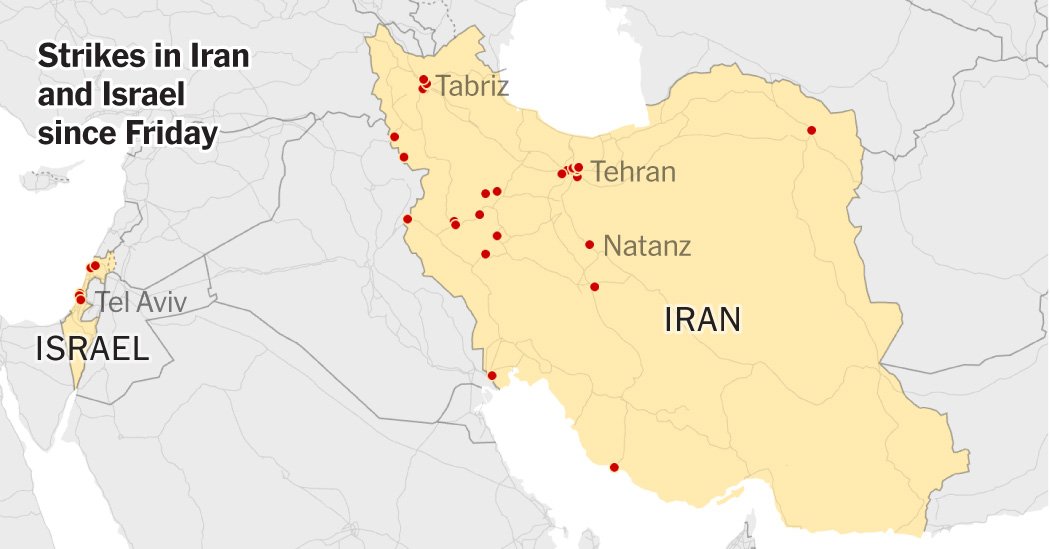
The current crisis escalated after military strikes and counterattacks between Iran and US-Israeli forces. Iran has warned that ships linked to the United States, Israel, or their allies could be targeted if hostilities continue.
In response, the United States has conducted operations against Iranian vessels suspected of laying sea mines in the region and has increased surveillance in the Gulf.
The situation has raised concerns about a wider regional conflict that could involve additional countries in the Middle East.
Global Economic Impact
The escalating tensions have already begun affecting global financial markets and oil prices. Crude oil prices have surged amid fears that shipping disruptions could limit energy supplies.
If traffic through the Strait of Hormuz slows or stops entirely, experts warn that oil prices could rise sharply, potentially impacting fuel prices and global inflation.
Shipping companies and energy firms are closely monitoring the situation, while some oil tankers are reportedly being rerouted through alternative pipelines or delayed until security improves.
Diplomatic Concerns and International Response
Governments around the world are urging restraint and calling for diplomatic solutions to prevent further escalation.
International organizations and regional powers have expressed concern about the safety of shipping lanes and the potential economic consequences of prolonged conflict.
Some analysts warn that the situation could escalate further if attacks continue or if the Strait of Hormuz becomes effectively blocked.
Impact on Global Trade
The Strait of Hormuz is not only vital for energy shipments but also for international trade. Many cargo vessels carrying goods between Asia, Europe, and the Middle East pass through the waterway.
If shipping traffic decreases significantly, global supply chains could face delays and increased transportation costs.
Such disruptions could affect industries ranging from energy to manufacturing and aviation.
Maritime Security Concerns
The reported attacks have increased concerns about the safety of commercial shipping in the Gulf. Shipping companies may need to review their security arrangements and assess the risks associated with continuing to use routes close to areas affected by military activity.
Crew safety has become a major priority as vessels travel through the region. Any incident involving a commercial ship can result in delays, emergency evacuations, damage to cargo, and higher operating costs for shipping companies.
Possible Impact on Energy Supplies
Any prolonged disruption around the Strait of Hormuz could create uncertainty for countries that depend heavily on energy imports. Oil and gas markets are particularly sensitive to developments in major shipping corridors because even temporary delays can influence expectations about future supply.
Higher energy prices could increase transportation and production costs for businesses. Consumers in different countries could also feel the indirect effects if increased energy costs contribute to higher prices for fuel, transportation, and other goods.
Pressure on Shipping Companies
The current situation could force shipping companies to make difficult decisions regarding routes and schedules. Operators may choose to delay journeys, increase security measures, or consider alternative routes where available.
However, alternative routes can involve longer distances and higher costs. This may increase insurance expenses, fuel consumption, and delivery times. Smaller disruptions could therefore have wider effects on international trade if uncertainty continues for an extended period.
Regional Countries on Alert
Countries in and around the Gulf are closely watching the developing situation because their economic and security interests are directly connected to the region. Any further military escalation could increase pressure on governments to strengthen maritime surveillance and protect important infrastructure.
Regional authorities may also need to coordinate with international partners to maintain safe passage for commercial vessels and respond quickly to emergencies at sea.
Risk of Wider Economic Disruption
The consequences of the conflict could extend beyond oil markets if uncertainty remains high. Financial markets may react to changes in energy prices, while businesses could reassess supply chains and transportation plans.
Industries that depend heavily on petroleum products may face increased operating costs. Airlines, shipping companies, manufacturers, and logistics providers could all be affected if fuel prices remain elevated for a prolonged period.
Importance of Diplomatic Efforts
Diplomatic engagement remains important as military tensions continue. International efforts aimed at reducing confrontation could help lower risks for commercial shipping and prevent further pressure on global energy markets.
A stable maritime environment is essential for maintaining international trade. Any agreement or de-escalation that improves security around the Strait of Hormuz could provide greater confidence to shipping operators, energy companies, and financial markets.
What the World Is Watching
The coming days will be important for determining whether the situation remains limited or develops into a broader regional crisis. Governments, energy companies, shipping operators, and investors are expected to closely monitor military activity, vessel movements, oil prices, and diplomatic statements.
The safety of commercial vessels and the continued movement of energy supplies will remain among the most important concerns as the situation develops.
Conclusion
The escalating conflict involving Iran, the United States, and Israel near the Strait of Hormuz has created a tense and uncertain situation in the Middle East. With reports of attacks on ships and increasing military activity, the region remains on high alert.
Given the strategic importance of the waterway to global energy supply, the world is closely watching developments in the Gulf. Diplomatic efforts and international cooperation will be crucial to prevent further escalation and ensure the safety of one of the world’s most critical maritime routes.
SOURCE: ABP NEWS