
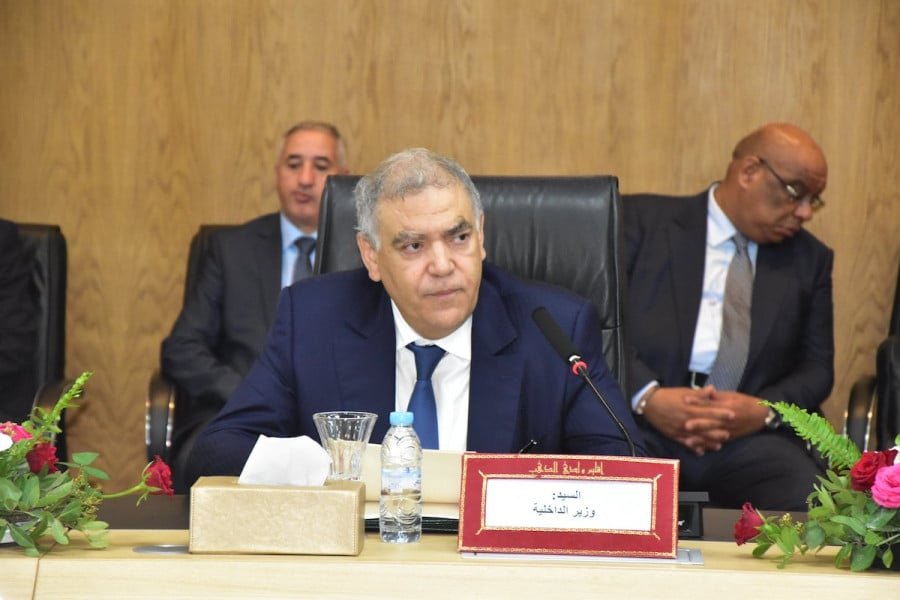
26-MAR-2026, 11:51 AM: Political activity has intensified across several parts of India as parties prepare for the 2026 Assembly elections in Assam, Kerala, Tamil Nadu, West Bengal, and Puducherry.
The Election Commission of India announced the election schedule on March 15, 2026, putting the five states and Union Territory into the formal election process. The announcement also brought the Model Code of Conduct into force in the poll-bound areas.
With campaigning gathering pace, political parties are focusing on candidate selection, alliances, rallies, public meetings, voter outreach, and digital campaigns.
Five Poll-Bound States and Puducherry
The 2026 Assembly election schedule covers Assam, Kerala, Tamil Nadu, West Bengal, and Puducherry.
The contests are significant because they involve different political combinations and regional issues.
Parties are now moving from preliminary planning toward more visible campaign activity as the election process progresses.
The Election Commission has also directed state authorities and election officials to ensure compliance with election rules and maintain a fair electoral environment.
Campaigning Intensifies in Tamil Nadu
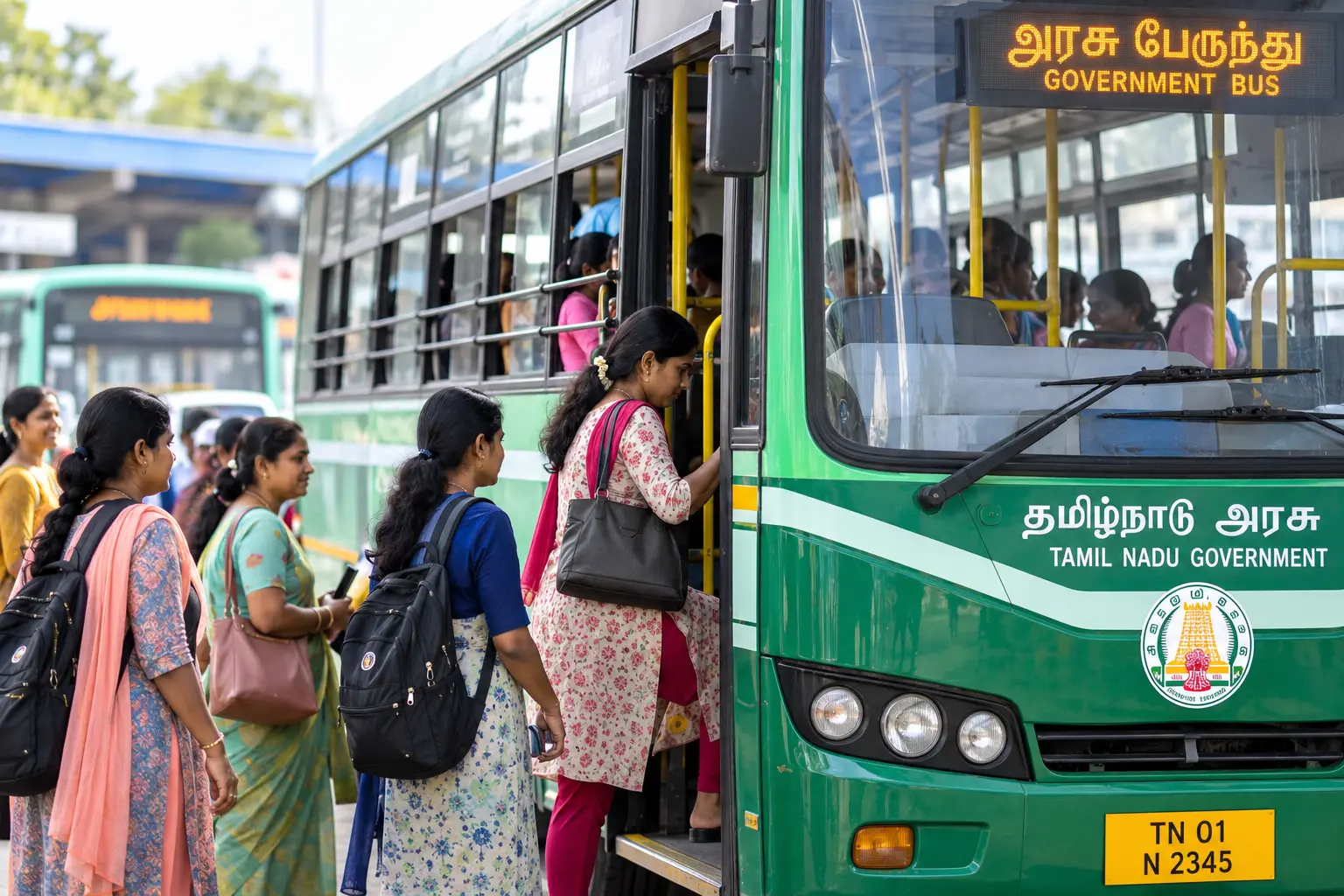
Tamil Nadu has already seen visible campaign activity.
The AIADMK-led NDA alliance launched its election campaign on March 26, with AIADMK general secretary Edappadi K. Palaniswami beginning campaigning in Mylapore alongside BJP leader Tamilisai Soundararajan.
The alliance has also been working on seat arrangements among its partners.
According to Akashvani News, the BJP is contesting 27 seats, while PMK is contesting 18, AMMK 11, and Tamil Maanila Congress five under the alliance arrangement. Other partners are also contesting selected constituencies.
On the opposition side, parties including the Congress and other members of the Secular Democratic Front are also preparing their candidates and constituencies.
The nomination process is scheduled to begin on March 30 in Tamil Nadu.
Rallies and Ground Campaigns
Traditional campaigning remains an important part of the election strategy.
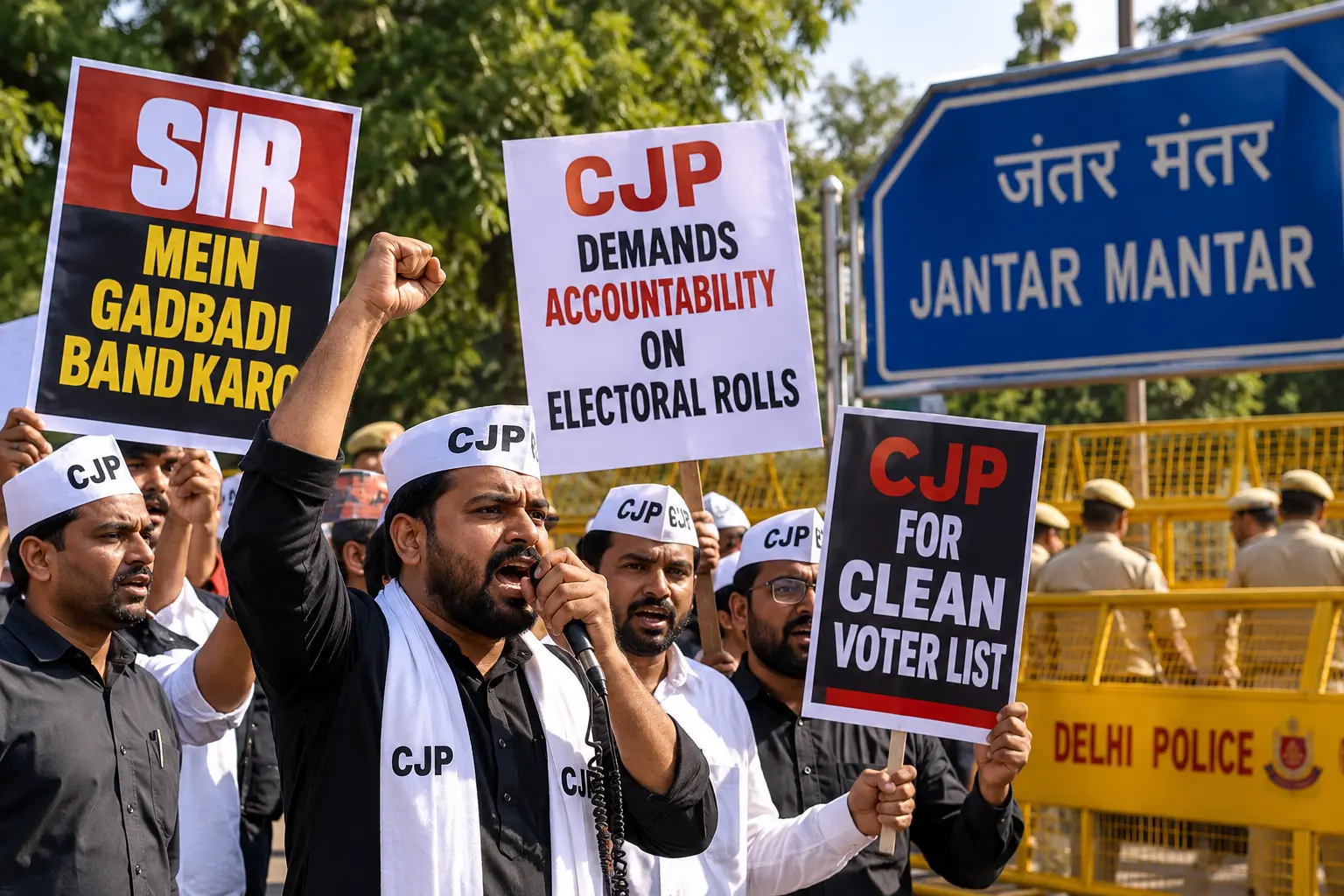
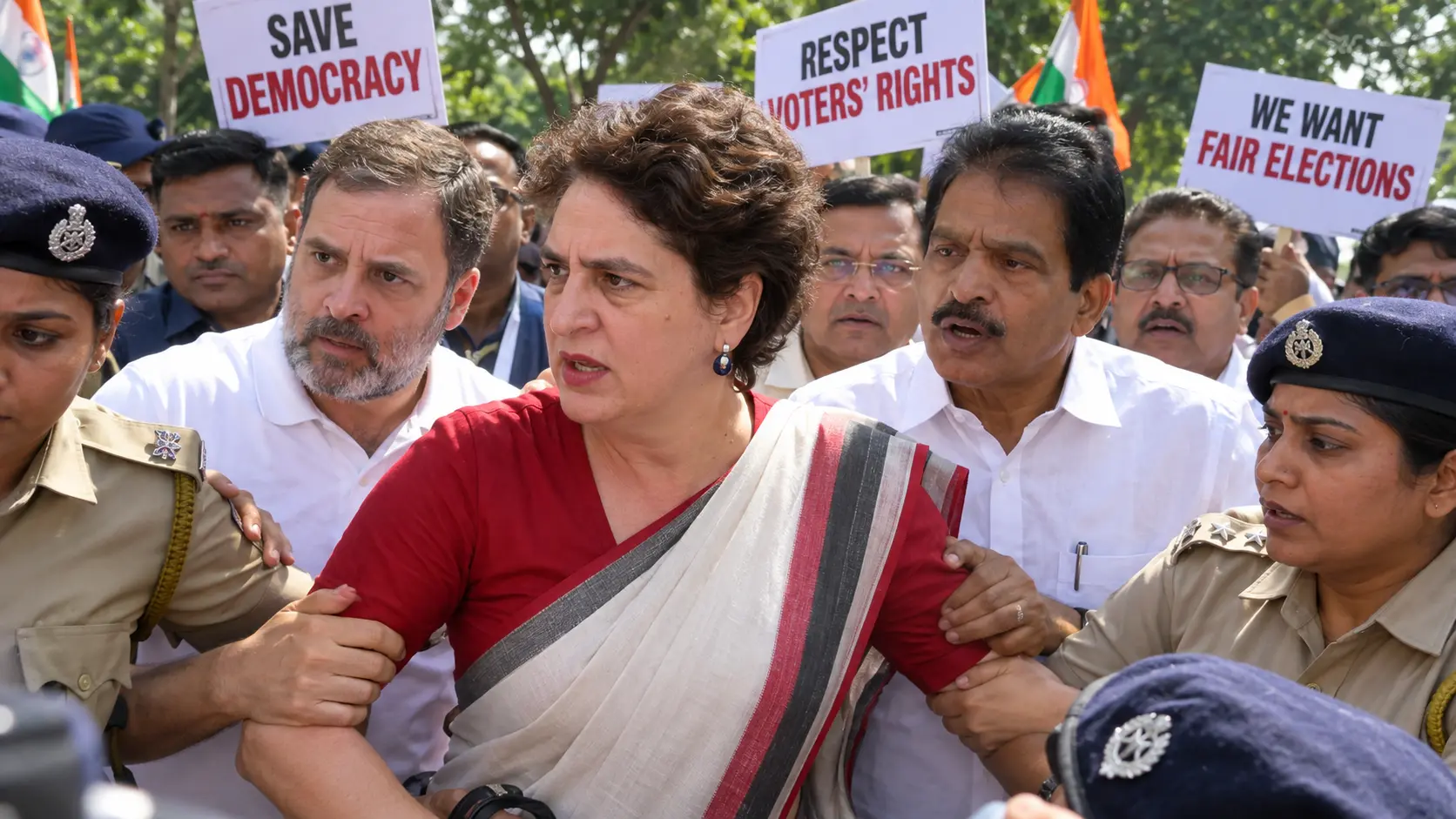
Political leaders and candidates are using rallies, public meetings, roadshows, and door-to-door campaigns to connect directly with voters.
Local party workers also play an important role because they help candidates communicate with residents at the constituency level.
These ground-level activities allow parties to raise local issues and present their campaign priorities directly to voters.
Social Media Becomes a Major Campaign Tool
Election campaigns are also becoming increasingly digital.
Political parties are using social media platforms to distribute speeches, campaign messages, short videos, graphics, and other content.
In Tamil Nadu, for example, campaign teams are combining traditional public meetings with newer digital tools such as memes and short-form videos.
Digital campaigning can help parties reach younger and urban audiences quickly.
However, online political communication is also subject to election-related rules.
Election Commission Tightens Political Advertising Rules
The Election Commission has introduced specific requirements for political advertisements during the upcoming elections.
Political advertisements on television, radio, public audio-visual displays, e-papers, bulk SMS, and internet-based and social media platforms require pre-certification by the relevant Media Certification and Monitoring Committee before release.
The rules are intended to improve transparency and help address misinformation, disinformation, and paid-news concerns during the election period.
Candidates are also required to disclose their authentic social media accounts in their nomination affidavits.
Election Spending Under Watch
Campaign expenditure is another area receiving attention.
The Election Commission has directed political parties to maintain proper records of campaign expenditure, including spending on internet and social media advertising.
Political parties are required to submit comprehensive expenditure statements within the prescribed period after the completion of the elections.
This monitoring is intended to ensure that campaign spending remains within the applicable legal framework.
Election Commission Reviews Poll Preparedness
The Election Commission is also working with state administrations and law enforcement agencies to prepare for the elections.
On March 24, the Commission held a review meeting with the Chief Secretaries, Chief Electoral Officers, Directors General of Police and other senior officials from the five poll-bound states and 12 neighbouring states and Union Territories.
The meeting focused on election preparedness, coordination, and maintaining a violence-free and intimidation-free polling environment.
The Commission also reviewed issues involving illegal cash, liquor, narcotics, and other inducements.
Monitoring Complaints During Elections
The Election Commission has expanded its mechanisms for receiving complaints from citizens and political parties.
The C-Vigil application allows members of the public to report suspected violations of election rules.
The Commission’s March 26 update said that more than 70,944 complaints had been lodged through the C-Vigil application between March 15 and March 25, with 70,831 already disposed of. The Commission said 95.8% of the complaints were resolved within 100 minutes.
This system gives voters another way to report possible violations during the campaign period.
Issues Likely to Shape Campaigns
As campaigning increases, parties are expected to focus on issues relevant to individual states and constituencies.
Economic conditions, employment, inflation, welfare programs, infrastructure, education, healthcare, and local development are among the issues that can influence voter decisions.
However, the importance of each issue differs from state to state.
Political parties are therefore expected to tailor their campaign messages according to regional concerns rather than rely on one common national narrative.
Candidate Selection and Alliances
Candidate selection is another major part of the preparations.
Parties need to decide which candidates can compete effectively in individual constituencies while also considering alliances and seat-sharing arrangements.
In states where multiple parties are contesting together, negotiations over constituencies can become an important part of campaign planning.
Tamil Nadu provides a clear example, with several parties working within broader alliances and dividing constituencies among themselves.
Importance of Grassroots Campaigning
Despite the growing importance of digital platforms, local campaigning remains central to elections.
Party workers help organize meetings, contact voters, coordinate polling-booth activities, and communicate local concerns to candidates.
Door-to-door campaigning can also help candidates understand issues that may not receive as much attention in statewide political debates.
This combination of digital outreach and physical campaigning is becoming a standard feature of modern election campaigns.
Challenges for Political Parties
Political parties face several challenges as the election process moves forward.
They must manage campaign resources, coordinate candidates and workers, communicate their policies and comply with election rules.
They also need to respond quickly to misinformation and misleading content circulating online.
The Election Commission has specifically highlighted the need to monitor misinformation, disinformation, and fake-news-related concerns during the election period.
What Happens Next?
The coming weeks are expected to bring more campaign rallies, candidate announcements, public meetings, and political discussions.
Parties will also continue refining their campaign messages and constituency-level strategies.
For voters, the period provides an opportunity to compare the policies, candidates, and promises of different political groups before casting their ballots.
The Election Commission will continue monitoring the process and enforcing the applicable election rules.
Conclusion
Political parties have stepped up their preparations as Assam, Kerala, Tamil Nadu, West Bengal, and Puducherry move toward their 2026 Assembly elections.
The Election Commission announced the election schedule on March 15 and brought the Model Code of Conduct into force in the poll-bound areas.
Tamil Nadu has already seen increased campaign activity, including the launch of the AIADMK-led NDA campaign and ongoing seat-sharing discussions among alliance partners.
At the same time, the Election Commission is closely monitoring campaign advertising, expenditure, misinformation, and possible violations.
With campaigning becoming more active, voters will increasingly see political parties presenting their candidates, policies, and priorities.
The final outcome will depend on voter decisions, but the preparations underway now will shape the campaign environment in the weeks ahead.
Sources: Election Commission of India, Press Information Bureau, Akashvani News, and election commission-related reports.

One thought on “Political Parties Step Up Election Preparations”