13-APR-2026, 11:32 AM: A crucial round of diplomatic negotiations between Iran and the United States has reportedly collapsed at the last moment, despite being “just inches away” from a breakthrough. The statement, made by Hossein Amir-Abdollahian, has intensified global concerns over rising geopolitical tensions and the uncertain future of nuclear diplomacy.
Talks Collapse at the Final Stage
According to Iranian officials, negotiations had reached an advanced stage where only minor differences remained. However, the talks ultimately fell apart, with Tehran accusing Washington of adopting a “maximalist” approach in its demands.
Iran claims that the US pushed for conditions that went beyond previously agreed frameworks, making it difficult to finalise the deal. The breakdown comes as a major setback, especially after months of indirect negotiations aimed at reviving diplomatic agreements.
Background: What Was at Stake?
The talks were widely believed to be focused on reviving aspects of the Joint Comprehensive Plan of Action (JCPOA), the landmark 2015 agreement designed to limit Iran’s nuclear activities in exchange for sanctions relief.
The deal had previously unravelled after the United States withdrew from it in 2018, leading to escalating tensions and renewed sanctions on Iran. Since then, multiple attempts have been made to bring both sides back to the negotiating table.
Iran’s Stand: Accusations of ‘Maximalism’
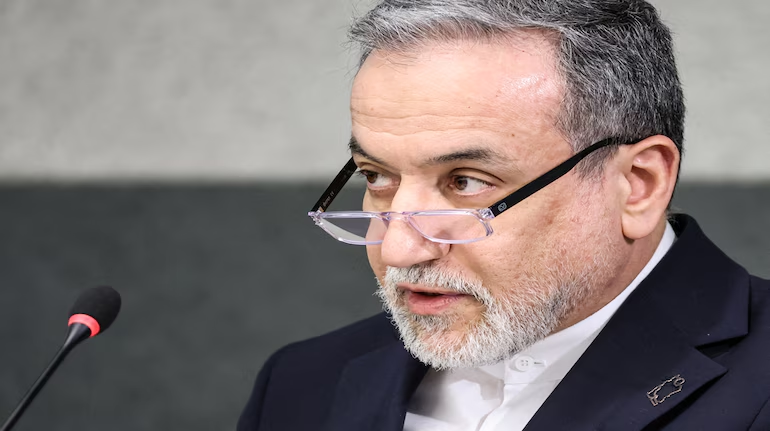
Iranian Foreign Minister Hossein Amir-Abdollahian emphasised that Tehran was prepared to finalise the agreement but could not accept what he described as excessive and unrealistic demands from the US.
From Iran’s perspective, “maximalism” refers to Washington seeking broader concessions—potentially beyond nuclear commitments—including stricter monitoring, extended timelines, or additional geopolitical conditions.
Tehran insists that any agreement must remain balanced and within the original framework of the JCPOA, without introducing new obligations.
US Position: Strategic Pressure Continues
While the United States has not fully disclosed its stance on the latest breakdown, analysts suggest that Washington is likely aiming for stronger guarantees and safeguards before lifting sanctions.
Concerns over Iran’s nuclear advancements, regional influence, and compliance history continue to shape US negotiating strategy. The Biden administration has repeatedly stated its willingness to return to diplomacy—but not at any cost.
Global Reactions and Concerns
The collapse of the talks has drawn attention from global powers and international organisations. Countries in Europe and beyond have expressed concern that the failure could escalate tensions in an already volatile region.
The situation also has broader implications for global security, energy markets, and international diplomacy. A successful deal could have eased sanctions on Iran, potentially impacting global oil supply and prices.
What This Means for the Region
The Middle East remains a sensitive geopolitical zone, and any breakdown in negotiations involving Iran and the United States has ripple effects across the region.
Neighboring countries are closely watching developments, as the absence of a deal could lead to increased military tensions or further diplomatic isolation of Iran.
At the same time, the failure of talks may embolden hardline positions on both sides, making future negotiations even more challenging.
Future of Iran-US Diplomacy
Despite the setback, experts believe that diplomacy is not entirely off the table. Historically, negotiations between Iran and the US have gone through multiple cycles of progress and breakdown.
However, rebuilding trust will be a significant challenge. Both sides will need to find common ground and demonstrate flexibility if they hope to revive discussions in the future.
The phrase “just inches away” highlights how close the parties were—but also how fragile such negotiations can be.
Why the Breakdown Matters
The collapse of negotiations is significant because even a narrow gap between the two sides can become difficult to bridge when political pressure increases. Diplomatic agreements involving Iran’s nuclear program require detailed commitments, verification mechanisms, and assurances from both sides.
The latest setback therefore creates uncertainty about whether negotiators can quickly return to the points where discussions stopped. Any delay could give hardline voices greater influence and make compromise more politically difficult.
Nuclear Diplomacy Under Pressure
The nuclear issue remains at the center of the broader dispute between Tehran and Washington. For Iran, preserving its right to pursue peaceful nuclear activities remains an important position, while the United States continues to focus on preventing the development of nuclear weapons capabilities.
Finding a balance between these positions has proved challenging. Questions surrounding inspections, monitoring, sanctions relief, and compliance can become major obstacles during negotiations.
A durable agreement would require both sides to have confidence that their respective commitments would be honoured. The latest collapse shows how difficult it can be to establish that confidence.
Economic Pressure on Iran
The failure of negotiations could also have economic consequences for Iran. Sanctions have affected trade, investment, and access to international financial markets, while uncertainty surrounding diplomatic talks can further complicate economic planning.
A renewed agreement could potentially create opportunities for greater economic engagement if sanctions relief forms part of the final arrangement. However, without progress at the negotiating table, businesses and investors are likely to remain cautious about Iran’s economic outlook.
Possibility of Renewed Dialogue
Despite the breakdown, the negotiations do not necessarily represent the permanent end of diplomatic engagement. Previous discussions between Iran and the United States have experienced periods of disagreement before returning to negotiations.
The immediate challenge will be rebuilding enough trust for both sides to resume meaningful discussions. Mediators and European partners could also play a role in encouraging dialogue and helping narrow remaining differences.
For now, the “inches away” description reflects both the progress that had reportedly been achieved and the uncertainty that remains. The next diplomatic moves will determine whether the latest setback becomes a temporary pause or a much longer deadlock.
The coming weeks will reveal whether both sides can overcome their differences, restore confidence, and reopen meaningful diplomatic channels.
Conclusion
The collapse of the Iran-US talks at a critical juncture underscores the complexities of modern diplomacy. With both sides blaming each other, the path forward remains uncertain.
As global attention turns to the next steps, one thing is clear: the stakes are too high for prolonged deadlock. Whether through renewed negotiations or alternative diplomatic channels, the need for a resolution remains urgent.
Source: Hindustan Times