
Your daily dose of news, covering the latest updates in politics, business, sports, entertainment, and more from India and around the world.
Your daily dose of news, covering the latest updates in politics, business, sports, entertainment, and more from India and around the world.
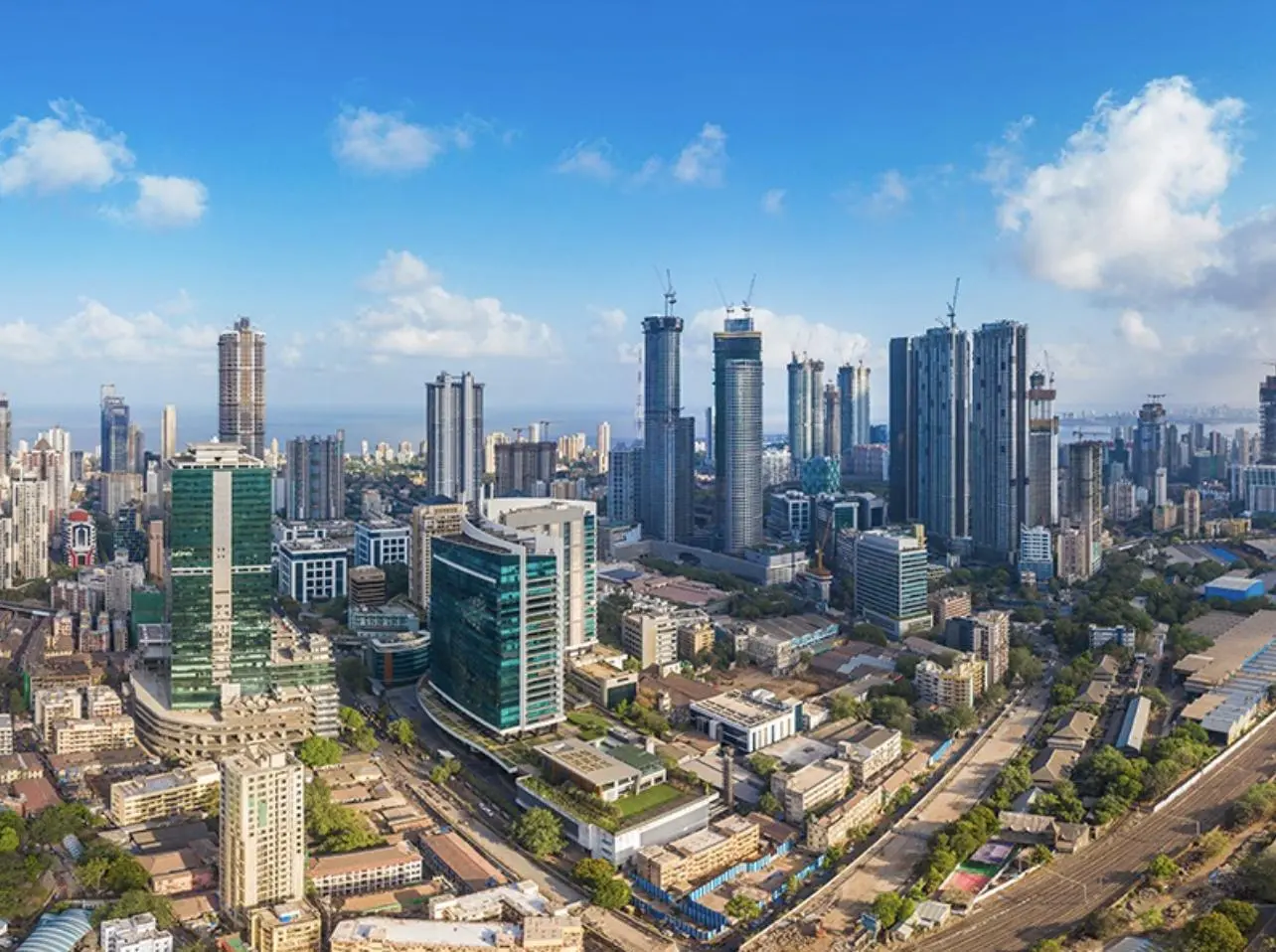
India’s economy continues to attract global attention for its ability to maintain steady growth despite uncertainty in the international market. While many countries continue dealing with slower economic activity, inflation, and geopolitical tensions, India’s long-term economic outlook remains positive. According to Bank of America (BofA) economist Rahul Bajoria, the country’s growth narrative remains durable because of strong domestic demand, continuous investment activity, and structural reforms.
His comments come at a time when investors and policymakers across the world are closely monitoring economic conditions and evaluating how emerging markets are responding to global challenges.
Over the past few years, India’s economy has shown remarkable resilience even as global markets have faced multiple disruptions. Supply chain challenges, rising interest rates, geopolitical conflicts, and slowing international trade have affected many economies. Despite these obstacles, India has maintained relatively healthy economic momentum.
Rahul Bajoria believes the country’s economic progress should not be judged solely by temporary global fluctuations. Instead, India’s long-term growth drivers continue to support sustainable expansion across multiple sectors.
This resilience reflects the strength of domestic consumption, infrastructure development, manufacturing growth, and ongoing government reforms.
India has also benefited from a rapidly expanding digital economy. Businesses across industries continue adopting new technologies, while consumers increasingly rely on digital platforms for banking, shopping, healthcare, and education. This growing digital ecosystem has improved productivity and created new opportunities for entrepreneurs and startups.
One of the strongest pillars supporting India’s economy is domestic demand. Consumer spending continues to remain healthy across several industries, including retail, automobiles, housing, and services.
India’s large population, expanding middle class, and increasing urbanization have created strong internal demand that helps reduce dependence on global economic conditions.
As employment opportunities improve and incomes gradually increase, household consumption continues supporting overall economic activity.
Rising demand for consumer goods, travel, entertainment, and financial services further strengthens economic activity across both urban and rural regions. This balanced growth supports businesses of all sizes and encourages additional investment.
Infrastructure development has become one of the biggest contributors to India’s economic expansion. Large investments in highways, railways, airports, ports, renewable energy, and digital infrastructure continue creating employment while improving productivity.
The government has consistently increased capital expenditure to modernize transportation networks and public infrastructure.
These investments not only stimulate short-term economic activity but also strengthen India’s long-term competitiveness.
Improved connectivity also benefits manufacturers, exporters, and logistics companies by reducing transportation costs and increasing operational efficiency. Better infrastructure supports faster movement of goods and strengthens India’s position in global supply chains.
Private sector participation also plays an important role in India Growth Story. Companies across manufacturing, technology, renewable energy, logistics, and financial services continue expanding their operations.
Businesses remain optimistic about India’s long-term market potential because of improving infrastructure, policy stability, and growing consumer demand.
Private investments help create jobs, increase production capacity, and encourage innovation across industries.
Several multinational companies have also announced expansion plans in India, reflecting growing confidence in the country’s economic stability and future market potential.
India has made significant efforts to strengthen its manufacturing sector through various government initiatives. Programs encouraging domestic production have attracted investments across electronics, automobiles, semiconductors, pharmaceuticals, and defense manufacturing.
As global companies diversify their supply chains, India continues positioning itself as an attractive manufacturing destination.
Higher manufacturing output also supports exports and reduces dependence on imports across several sectors.
Growing investments in industrial corridors and modern production facilities are expected to improve manufacturing efficiency while generating employment opportunities for skilled workers.
India continues expanding its renewable energy capacity through large investments in solar, wind, and green energy projects.
Developers continue investing in renewable power generation, while authorities also focus on improving transmission infrastructure and battery storage to ensure reliable electricity supply.
The renewable energy sector creates new employment opportunities while supporting India’s long-term sustainability goals.
The country’s focus on clean energy also helps diversify energy sources, reduce carbon emissions, and strengthen long-term energy security.
Although India’s outlook remains positive, global uncertainties cannot be ignored. International conflicts, commodity price volatility, inflationary pressures, and slower global growth could still affect exports and investment flows.
Financial market volatility and changing monetary policies in advanced economies may also influence capital movements into emerging markets.
However, economists believe India’s strong domestic fundamentals help reduce the overall impact of external shocks.
Maintaining fiscal discipline and encouraging private-sector investment will remain important as India navigates evolving global economic conditions.
Several economic reforms introduced over recent years continue strengthening India’s business environment.
Improvements in digital payments, taxation, logistics, ease of doing business, and financial inclusion have increased efficiency across the economy.
Digital infrastructure has also accelerated financial services, e-commerce, and technology adoption, creating new growth opportunities for businesses and consumers alike.
These structural improvements support sustainable economic expansion beyond short-term business cycles.
Continued policy reforms aimed at simplifying regulations and encouraging entrepreneurship are expected to strengthen investor confidence over the coming years.
Many economists expect India to remain one of the world’s fastest-growing major economies over the coming years.
Strong domestic consumption, rising investments, expanding manufacturing capacity, infrastructure development, and policy reforms continue creating a solid foundation for future growth.
Public and private investments will continue driving expansion across multiple sectors while supporting India’s long-term economic transition.
Although short-term global uncertainties may create temporary challenges, India’s underlying economic fundamentals remain relatively strong.
Experts believe innovation, technology adoption, and continued investment in human capital will further strengthen India Growth Story over the next decade.
India’s economic journey continues to demonstrate resilience despite global uncertainties. Rahul Bajoria’s observations highlight the importance of focusing on long-term structural strengths rather than short-term market fluctuations.
Strong domestic demand, rising infrastructure investment, manufacturing expansion, renewable energy development, and continued reforms provide confidence in India’s future growth prospects.
While global risks remain part of the economic landscape, India’s diversified growth drivers position the country to sustain long-term development. If investment momentum continues and reforms remain on track, India is likely to strengthen its position as one of the world’s leading emerging economies.
Source: Bank of America

Your trusted source for news, updates, and insights from India and around the world.
Copyright © 2020–2026 NEWSHOTS. All Rights Reserved.