
Your daily dose of news, covering the latest updates in politics, business, sports, entertainment, and more from India and around the world.
Your daily dose of news, covering the latest updates in politics, business, sports, entertainment, and more from India and around the world.
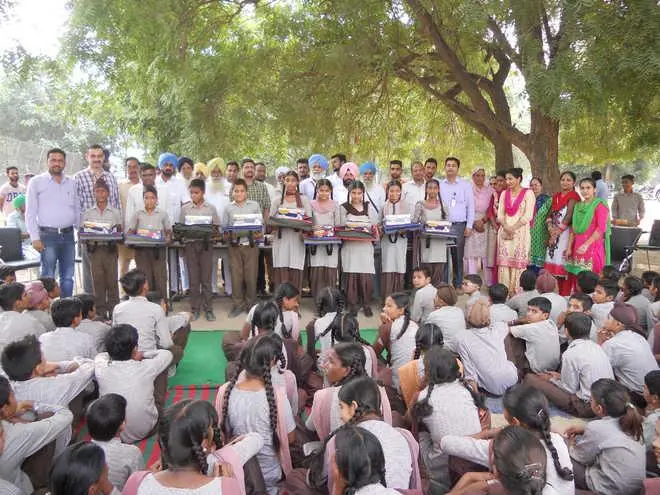
The FIMER India CSR Initiative has taken another step towards improving access to education by supporting thousands of students in rural communities. In collaboration with the Aapat-Sahaaya Foundation, the company has launched a large-scale corporate social responsibility programme aimed at strengthening educational opportunities for children across multiple schools.
As part of the initiative, 5,000 school kits have been distributed among students studying in 30 rural schools, providing them with essential learning materials required for their academic journey. The programme reflects the growing role of corporate organisations in contributing to community development beyond their core business activities.
Education continues to be one of the most important areas for CSR investments in India. Many organisations are working alongside non-profit institutions to improve learning infrastructure, provide educational resources, and create better opportunities for students living in underserved regions.
Access to quality education remains one of the biggest challenges in many rural parts of the country. Limited educational resources, inadequate infrastructure, and financial constraints often affect students’ ability to continue their studies.
The FIMER India CSR Initiative focuses on addressing some of these challenges by providing practical support that directly benefits students. School kits containing basic educational materials can reduce financial pressure on families while helping children participate more effectively in classroom learning.
Education experts believe that timely access to learning resources can improve student confidence, encourage regular attendance, and create a more positive learning environment.
Corporate Social Responsibility has become an important part of business operations across India. Companies increasingly invest in projects related to education, healthcare, environmental sustainability, skill development, and community welfare.
CSR programmes allow organisations to contribute meaningfully to society while supporting long-term social development. Educational initiatives remain among the most impactful because they help empower future generations through improved access to learning.
By partnering with experienced non-profit organisations, companies can ensure that their CSR programmes reach communities where support is needed the most.
Improving educational opportunities benefits not only individual students but also entire communities. Better education helps children develop knowledge, confidence, and skills that contribute to future employment opportunities and economic growth.
When schools receive additional educational resources, teachers are also able to create more effective learning environments that encourage student participation and academic progress.
Programmes focusing on school development continue playing an important role in supporting India’s broader education goals.
Quality education helps individuals build brighter futures while contributing to stronger communities. It equips children with the knowledge, confidence, and skills required to pursue better opportunities while contributing positively to society. In rural areas, however, access to quality education can often be limited due to economic challenges and a lack of educational resources.
The FIMER India CSR Initiative seeks to address some of these challenges by ensuring that students receive the basic learning materials needed for their education. School kits may seem like a simple contribution, but for many children they provide the essential tools required to participate actively in classroom activities and continue their studies without additional financial burden on their families.
Experts believe that providing educational support during the early years can have a lasting impact on academic performance, school attendance, and overall confidence among students.
Successful CSR programmes often depend on collaboration between businesses, non-profit organisations, educational institutions, and local communities. By working together, these organisations can identify the needs of students more effectively and ensure that resources reach the right beneficiaries.
The partnership between FIMER India and the Aapat-Sahaaya Foundation demonstrates how collaborative efforts can create meaningful social impact. Such initiatives go beyond one-time donations by focusing on long-term educational development and community welfare.
Community participation also helps increase the effectiveness of CSR programmes. Teachers, parents, volunteers, and local organisations all contribute to creating a supportive learning environment that encourages children to continue their education.
Corporate Social Responsibility has evolved significantly over the years. Modern businesses increasingly recognise that their success is closely connected with the well-being of the communities they serve. As a result, many organisations now invest in projects that promote education, environmental sustainability, healthcare, digital literacy, and skill development.
Educational initiatives remain among the most valuable CSR investments because they generate long-term benefits for society. By helping children access better learning opportunities today, companies contribute to building a more educated and skilled workforce for the future.
Many industry experts believe businesses that actively participate in community development also strengthen public trust and demonstrate responsible corporate leadership.
India continues working towards improving access to quality education through government programmes and private-sector participation. Corporate social responsibility initiatives support education by improving school resources and helping students facing financial challenges.
School kits, educational materials, improved classroom infrastructure, teacher support programmes, and digital learning resources all contribute towards creating better educational outcomes. Such initiatives also encourage equal learning opportunities by reducing barriers faced by students in rural communities.
As educational needs continue evolving, partnerships between businesses and non-profit organisations are expected to play an increasingly important role in strengthening India’s education system.
The FIMER India CSR Initiative highlights how businesses can contribute meaningfully to society by investing in education and community development. Through the distribution of 5,000 school kits across 30 rural schools, the programme supports students while encouraging greater access to quality learning resources.
The collaboration with the Aapat-Sahaaya Foundation reflects the growing importance of partnerships in delivering effective social impact. By focusing on practical educational support, the initiative aims to create a positive learning environment that benefits students, teachers, and local communities alike.
As more companies expand their Corporate Social Responsibility programmes, education is expected to remain a priority area because of its long-term social and economic benefits. Continued investment in learning resources, school infrastructure, and student welfare can help empower future generations while contributing to inclusive and sustainable development. Initiatives like the FIMER India CSR Initiative demonstrate that responsible business practices extend beyond commercial success and can play a valuable role in building stronger communities, improving educational outcomes, and creating opportunities for childrens.
Source: ANI

Your trusted source for news, updates, and insights from India and around the world.
Copyright © 2020–2026 NEWSHOTS. All Rights Reserved.