
Your daily dose of news, covering the latest updates in politics, business, sports, entertainment, and more from India and around the world.
Your daily dose of news, covering the latest updates in politics, business, sports, entertainment, and more from India and around the world.
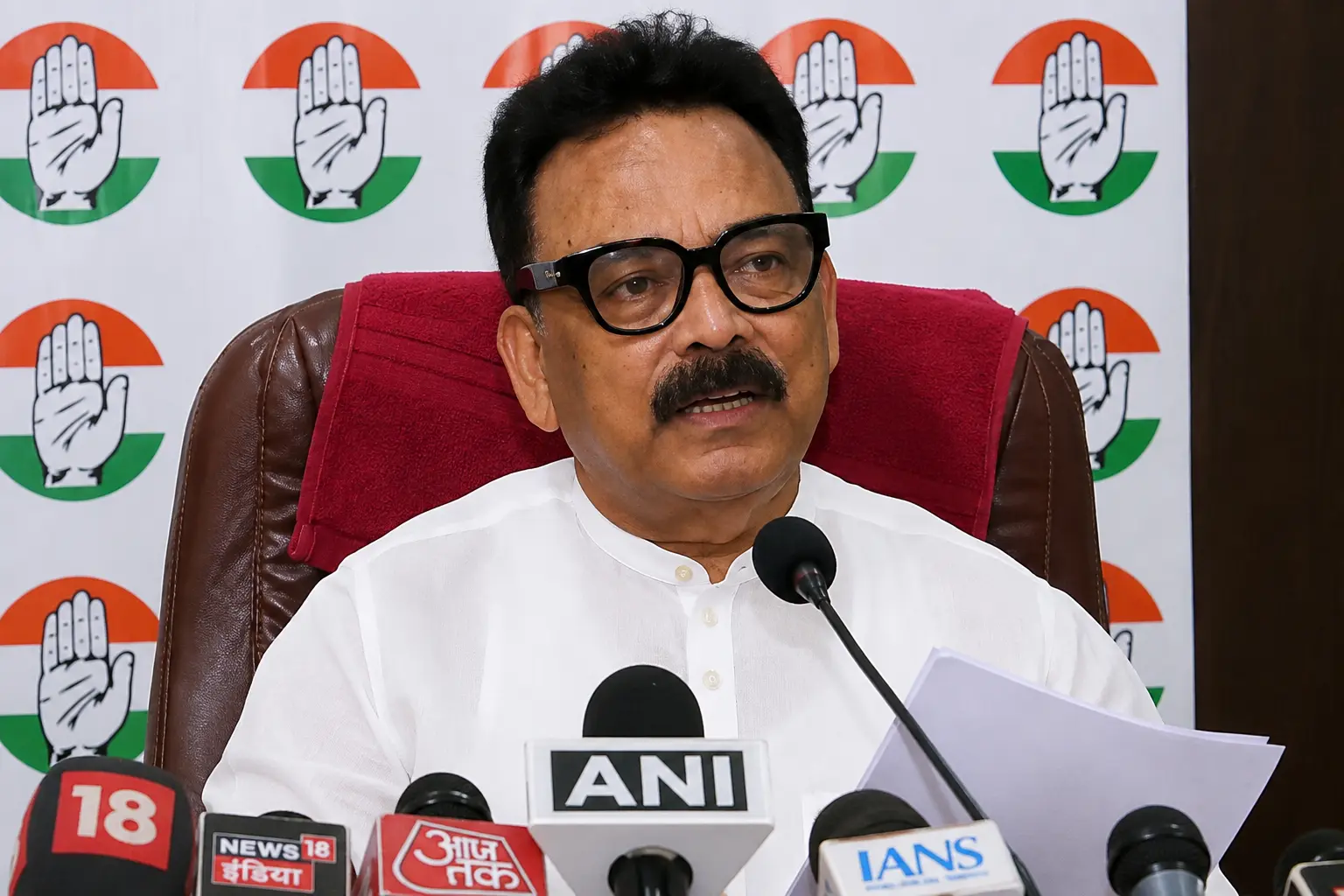
The NEET Paper Leak Issue has once again become the center of political debate after Congress MP Sukhdeo Bhagat accused the Central Government of failing to take responsibility for the controversy. Speaking to the media, Bhagat alleged that the Centre has not adequately addressed concerns surrounding the examination and demanded greater accountability from the country’s top leadership.
The National Eligibility cum Entrance Test (NEET) is one of India’s most competitive entrance examinations, conducted for admission to undergraduate medical courses. Any controversy surrounding the examination directly affects lakhs of students and their families, making transparency and credibility essential for maintaining public trust.
Bhagat’s remarks have renewed political attention on the issue, with opposition leaders calling for stronger measures to ensure fairness in the country’s examination system.
During his interaction with the media, Sukhdeo Bhagat criticized the government’s handling of the alleged paper leak controversy. He claimed that instead of accepting responsibility, the Centre has attempted to shift attention away from the issue.
According to Bhagat, students who dedicate years to preparing for highly competitive examinations deserve a transparent and accountable examination process. He argued that public confidence can only be restored if authorities thoroughly investigate the matter and take appropriate action wherever necessary.
The Congress leader also questioned whether sufficient measures had been implemented to prevent similar incidents in future examinations.
Bhagat called for accountability from senior government leaders, stating that public institutions responsible for conducting national examinations must maintain the highest standards of integrity.
He emphasized that examination-related controversies should not be treated as routine administrative issues because they directly impact the careers and future aspirations of young students.
The Congress leader said that restoring confidence among students requires transparent communication and timely corrective action by the authorities.
The National Eligibility cum Entrance Test serves as the primary entrance examination for admission to MBBS, BDS, AYUSH, and several other medical programmes across India.
Every year, millions of students appear for the examination after months or even years of preparation. Success in NEET often determines admission to prestigious government and private medical colleges.
Because of its significance, any allegations regarding examination irregularities attract nationwide attention and generate widespread concern among students, parents, educators, and policymakers.
The controversy has triggered political reactions from both ruling and opposition parties.
While opposition leaders continue demanding greater accountability, government representatives have defended the actions taken by investigating agencies and examination authorities.
Political observers note that education-related issues often become subjects of public debate because they affect a large section of society, particularly young aspirants preparing for competitive examinations.
The issue has also become part of broader discussions regarding examination reforms and institutional transparency.
For students preparing for medical entrance examinations, uncertainty surrounding examination integrity can create significant emotional and psychological stress.
Many aspirants invest considerable time, financial resources, and personal effort into preparing for NEET. Any allegations of irregularities may lead to anxiety among candidates regarding fairness and equal opportunity.
Education experts believe maintaining a secure examination system is essential for protecting student confidence and ensuring merit-based admissions.
Experts have repeatedly highlighted the importance of strengthening examination security through better technology, enhanced monitoring, and stricter administrative procedures.
Several education specialists suggest improving digital surveillance, secure question paper handling, identity verification systems, and coordination among examination authorities.
Regular audits, transparent investigations, and prompt corrective measures are also considered important for maintaining credibility in large-scale national examinations.
Such reforms could help reduce the possibility of irregularities and improve public confidence in the examination process.
Conducting national-level examinations involves multiple agencies responsible for question paper preparation, logistics, security, evaluation, and result declaration.
Ensuring the integrity of every stage of the examination process remains a critical responsibility for authorities.
Officials have consistently stated that any credible allegations are investigated according to established legal procedures and that necessary action is taken wherever evidence is found.
The government has also announced measures in recent years to strengthen examination systems and improve transparency.
The NEET Paper Leak Issue has once again highlighted the importance of maintaining fairness in India’s competitive examination system. Parents, students, educators, and policymakers continue to emphasize that merit should remain the only basis for admission to professional courses. Public confidence depends on transparent investigations, timely communication, and effective safeguards against examination malpractice. Experts believe that strengthening institutional accountability and adopting advanced security measures will help improve trust in future examinations while protecting the interests of deserving students.
As investigations and political discussions continue, the focus remains on ensuring fairness, transparency, and accountability in national entrance examinations.
Education experts believe continued reforms, technological improvements, and stronger administrative oversight can help prevent similar controversies in the future.
The outcome of ongoing discussions may also influence future examination policies and strengthen public confidence in India’s education system.
The controversy has also renewed discussions about improving the security of national entrance examinations. Education experts have suggested adopting advanced technologies, including AI-based monitoring, secure digital systems, and stricter verification procedures to reduce the risk of malpractice. Many believe that faster investigations and transparent communication from authorities can help rebuild public confidence whenever concerns arise.
Students and parents have stressed the importance of a fair and reliable examination system that recognizes merit alone.
Strengthening institutional safeguards and continuously reviewing examination protocols could play a significant role in preventing similar controversies in the future, while ensuring equal opportunities, protecting student interests, promoting transparency, and strengthening trust in India’s education system nationwide.
The NEET Paper Leak Issue continues to generate political attention following Congress MP Sukhdeo Bhagat’s criticism of the Centre’s handling of the controversy. While opposition leaders demand greater accountability, the broader debate has also highlighted the importance of protecting the credibility of national entrance examinations. As discussions continue, ensuring transparency, fairness, and trust in India’s examination system will remain a key priority for students, educational institutions, and policymakers alike.
Source: ANI

Your trusted source for news, updates, and insights from India and around the world.
Copyright © 2020–2026 NEWSHOTS. All Rights Reserved.