
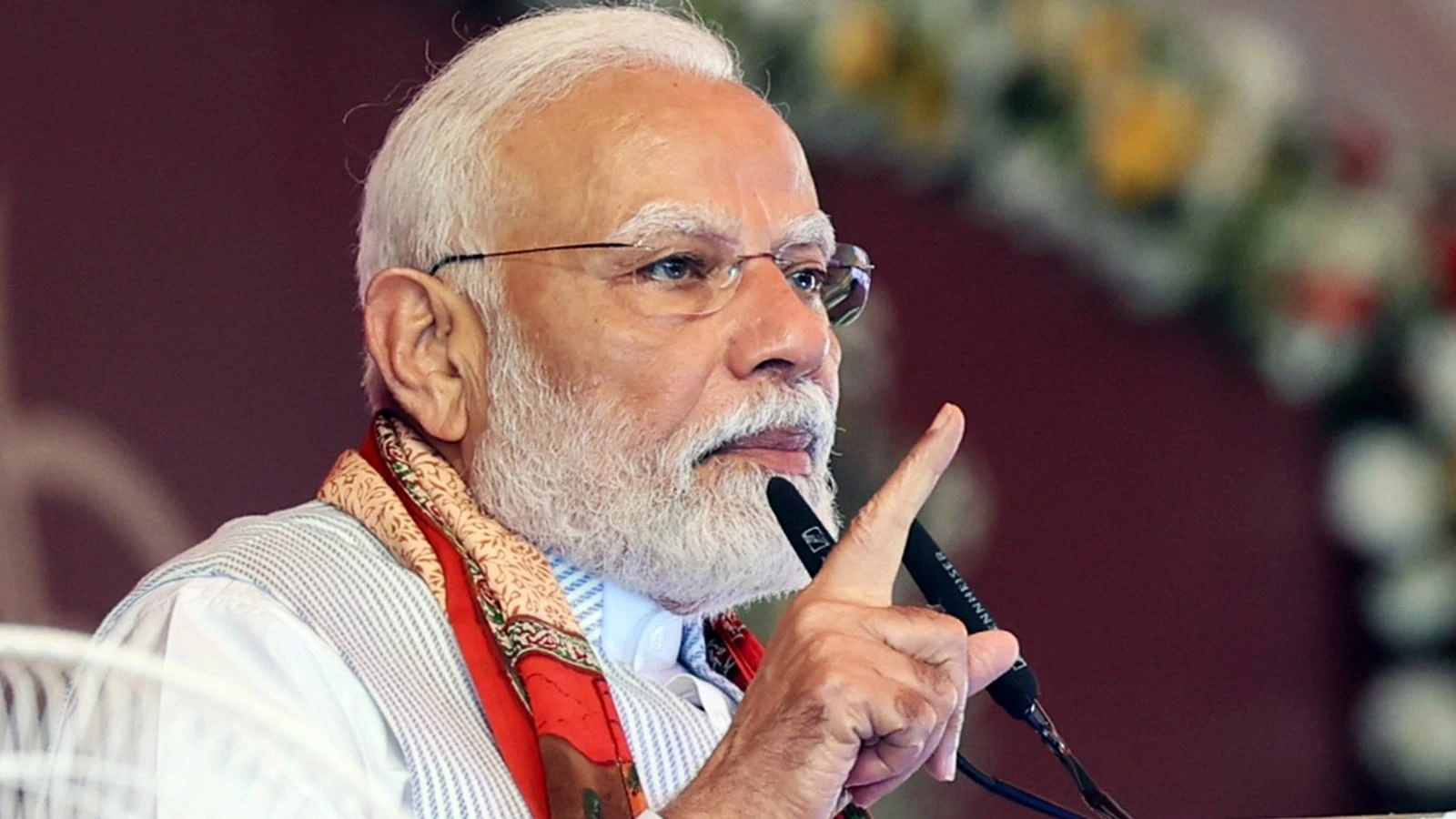
09-SEP-2025, 12:00PM Prime Minister PM Modi on Tuesday, after exercising his franchise in the Vice Presidential elections, immediately flew to the flood-hit states of Himachal Pradesh and Punjab to take stock of the situation. His visit underlines the government’s priority in responding to natural calamities and ensuring timely relief measures. With heavy monsoon rains wreaking havoc across North India, thousands of people have been displaced, roads washed away, and critical infrastructure severely damaged. PM Modi’s personal presence in the affected regions has brought both administrative urgency and emotional reassurance to flood-affected citizens.
PM Modi: Immediate Shift from Polls to Relief Duty
PM Modi: Voting in Vice Presidential Elections
Earlier in the day, PM Modi cast his vote in the vice-presidential polls in New Delhi. Despite the hectic political schedule, he made it clear that addressing the humanitarian crisis caused by floods in Himachal Pradesh and Punjab was his top priority. This swift transition from parliamentary duties to disaster assessment reflects his leadership style, where governance and welfare often go hand in hand.
PM Modi: Travel to Himachal Pradesh and Punjab
Soon after the polling process, PM Modi boarded a special flight to Himachal Pradesh, one of the worst-hit states, before moving to Punjab. Both states have reported severe damage to infrastructure, agricultural lands, and livelihoods. The prime minister’s presence is aimed at coordinating relief efforts, reviewing damage assessments, and boosting the morale of rescue workers on the ground.
PM Modi: Himachal Pradesh: Roads, Bridges, and Villages Under Water
PM Modi: Assessing Ground Situation
In Himachal Pradesh, incessant rains have led to flash floods, landslides, and large-scale damage to public property. Over 600 roads, dozens of bridges, and hundreds of villages have been affected. PM Modi met with local officials, disaster management authorities, and villagers to understand the challenges they are facing.
Relief and Rehabilitation Assurances
During his interactions, PM Modi assured citizens that the central government stands shoulder to shoulder with the state administration. He emphasized that funds for immediate relief and long-term rehabilitation will be released swiftly. Special attention will be given to restoring essential services like electricity, healthcare, and clean drinking water in affected areas.
Punjab: Agriculture and Villages Hit Hard
Visit to Flooded Areas
Following his Himachal tour, PM Modi travelled to Punjab, where floods have submerged farmlands and rural communities. Punjab, being an agrarian state, has witnessed large-scale destruction of crops, causing distress among farmers.
Promises of Central Support
PM Modi interacted with farmers, relief workers, and local leaders, reiterating that crop loss assessments will be done quickly and compensation will be delivered at the earliest. He highlighted the need for long-term planning to tackle recurring floods and promised that modern flood-management systems will be introduced with the help of central agencies.
PM Modi Calls for Strong Disaster Preparedness
Importance of Early Warning Systems
During his visits, PM Modi stressed the significance of strengthening early warning systems for floods and landslides. He instructed disaster management authorities to ensure that warnings reach even the most remote villages in real-time.
Resilient Infrastructure Push
The prime minister also pointed out that flood-resilient infrastructure, including elevated roads, stronger embankments, and advanced drainage systems, must be prioritized in both Himachal Pradesh and Punjab. He highlighted that the government’s vision of “climate-resilient development” will ensure that natural disasters cause less destruction in the future.
Emotional Connect: PM Modi with Affected Families
Beyond administrative meetings, PM Modi took time to personally meet families who lost their homes and loved ones due to the floods. His interactions were filled with empathy as he listened to their struggles and offered words of assurance. For many victims, his presence in their villages brought hope and a sense that their plight was being recognized at the highest level.
Political and Social Reactions
Bipartisan Support for Relief Efforts
Political leaders across parties welcomed PM Modi’s visit to the disaster-hit regions, underlining that natural calamities require joint efforts beyond political differences. Opposition leaders, while critical of certain policies, agreed that the prime minister’s immediate response set the right precedent for disaster management.
Citizens’ Appreciation
On social media, images and videos of PM Modi walking through affected areas, interacting with villagers, and inspecting damage quickly went viral. Citizens praised his dedication to balancing national-level duties with on-ground crisis management.
PM Modi’s Broader Vision for Disaster Management
National Disaster Response
This visit also reflects PM Modi’s broader vision of strengthening India’s disaster response mechanisms. Under his leadership, the National Disaster Response Force (NDRF) and State Disaster Response Forces (SDRF) have been modernized and equipped with better technology.
Long-Term Climate Preparedness
The prime minister reiterated that climate change is intensifying the frequency and impact of natural disasters. He emphasized the need for India to invest more in sustainable urban planning, flood forecasting, and eco-friendly construction to minimize damage in the future.
Conclusion: Leadership in Crisis
The floods in Himachal Pradesh and Punjab have posed severe challenges to governance and relief mechanisms. Yet, the immediate visit by PM Modi after casting his vote in the vice presidential polls shows a leader balancing democracy’s duties with humanitarian obligations. His emphasis on both short-term relief and long-term climate preparedness sends a strong message that disaster management is a top national priority.
As PM Modi turns his attention from politics to people in distress, his actions highlight the essence of responsive leadership—being present where citizens need him most. For flood-affected families, his visit was not just a political gesture but a reassurance that their struggles are acknowledged and solutions are underway.
Source: ANI

One thought on “After casting his vote in VP polls, PM Modi flies to Himachal Pradesh and Punjab to assess floods”