13-MAR-2026, 11:51 AM, Political activity intensified across several states ahead of the 2026 Assembly elections, with major parties working on candidate selection, campaign strategies, alliance arrangements and grassroots mobilisation.
Kerala, West Bengal and Tamil Nadu were among the states where political parties were increasing their organisational activity as the elections approached. The BJP was preparing its candidates and campaign strategy in Kerala and West Bengal, while Tamil Nadu’s ruling DMK scheduled a key organisational meeting ahead of the state polls.
The Election Commission of India was also reviewing poll preparedness in West Bengal, meeting representatives of recognised political parties and discussing measures for peaceful and fair elections.
BJP Works on Candidate Selection in Kerala and West Bengal
The BJP was preparing to finalise its candidates and election strategy for Kerala and West Bengal.
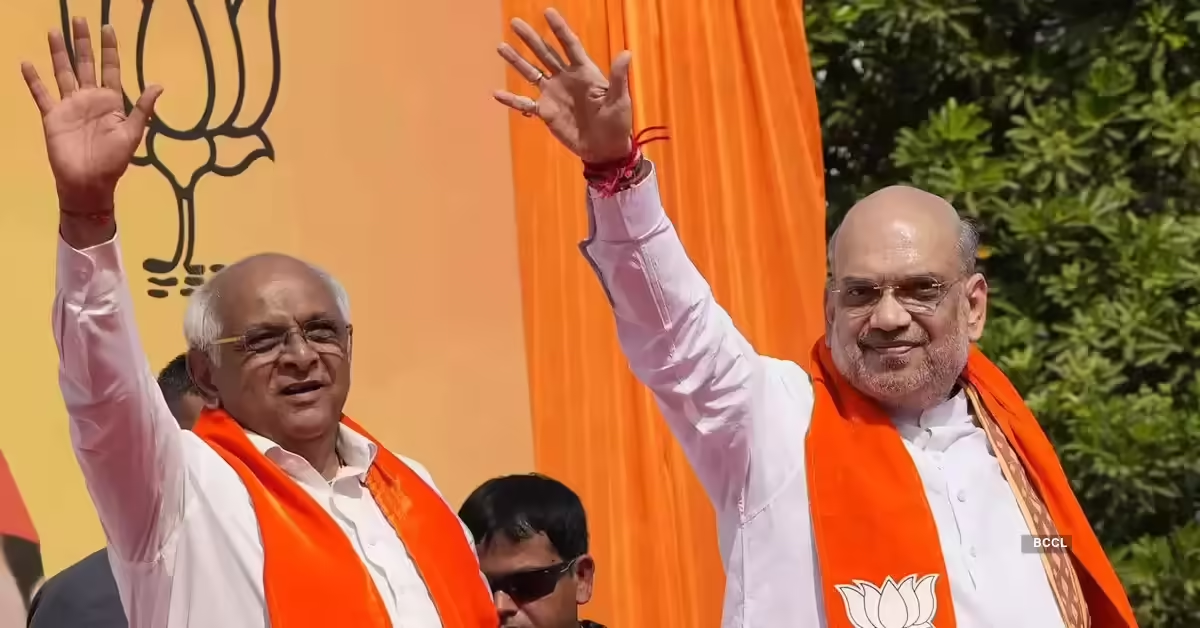
A high-level meeting involving Prime Minister Narendra Modi, Union Home Minister Amit Shah, Defence Minister Rajnath Singh and senior party leaders was scheduled to discuss the party’s preparations for the two states.
In West Bengal, the BJP was seeking to strengthen its challenge to the ruling Trinamool Congress.
The party had already begun statewide mobilisation activities, including its Parivartan Yatra, while senior leaders were expected to conduct rallies across different parts of the state.
The BJP was also focusing on strengthening its booth-level organisation and increasing contact with voters ahead of the election.
BJP’s Strategy in Kerala
The political situation in Kerala is different from West Bengal.
The state has traditionally been dominated by competition between the Left Democratic Front (LDF) and the United Democratic Front (UDF).
The BJP has been attempting to expand its presence and establish itself as a stronger political force in the state.
According to reporting on March 12, the party was working under its Mission 2026 campaign and focusing on constituencies where it believed it had stronger electoral prospects.
The party’s strategy included organisational expansion and targeted outreach to different voter groups.
Election Commission Reviews West Bengal Preparations
The Election Commission also stepped up its preparations for the West Bengal Assembly election.
On March 9, Chief Election Commissioner Gyanesh Kumar, along with Election Commissioners Sukhbir Singh Sandhu and Vivek Joshi, reviewed poll preparedness during a visit to Kolkata.
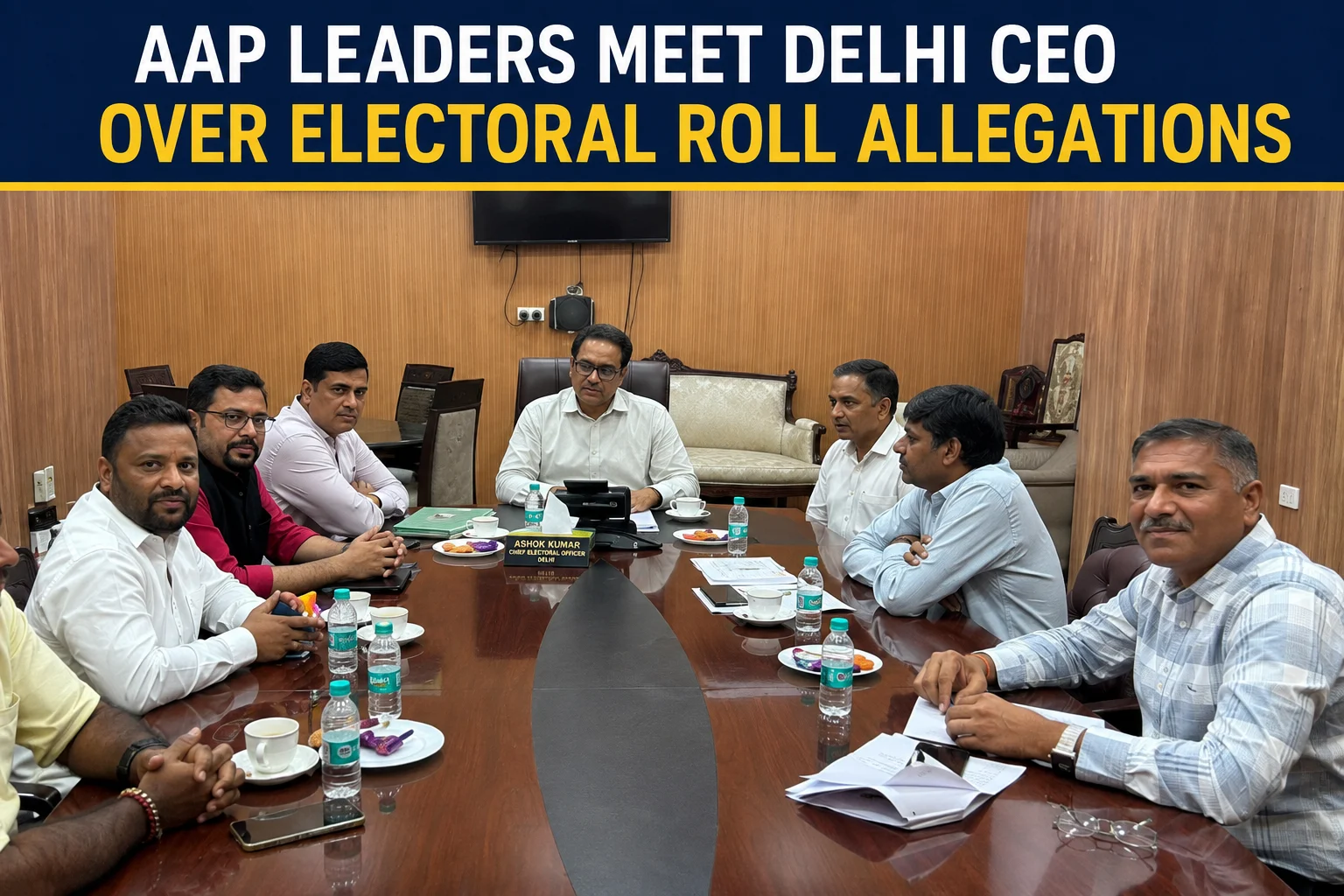
The Commission met representatives of several recognised national and state political parties.
These included the BJP, Congress, Communist Party of India (Marxist), Aam Aadmi Party, National People’s Party, All India Forward Bloc and Trinamool Congress.
During the discussions, political parties raised concerns about voter safety and the possibility of violence during the election process.
Several parties requested stronger security arrangements, including the deployment of Central Armed Police Forces.
The parties also urged the Election Commission to ensure that the election was conducted in a peaceful, free and fair manner.
Election Commission Emphasises Free and Fair Polls
The Election Commission assured political parties that it would take steps to protect voters and election personnel.
CEC Gyanesh Kumar said the Commission would maintain zero tolerance towards violence and intimidation during the election process.
The Commission’s review was significant because West Bengal has previously witnessed politically charged elections and concerns about electoral violence.
Security arrangements, voter protection and the conduct of polling are therefore expected to remain important issues as the election process moves forward.
DMK Steps Up Tamil Nadu Preparations
In Tamil Nadu, the ruling Dravida Munnetra Kazhagam (DMK) was also increasing its organisational preparations.
The party announced that it would hold a district-secretaries meeting on March 16 under the leadership of Chief Minister and DMK president MK Stalin.
The meeting was scheduled to take place at the Kalaignar Arangam at Anna Arivalayam in Chennai.
The meeting was expected to focus on organisational planning and preparations for the upcoming Assembly election.
District-level organisation is particularly important during election campaigns because political parties rely on local units to coordinate candidates, workers, voter outreach and campaign activities.
Alliance and Seat-Sharing Talks
Election preparations were also accompanied by discussions over alliances and seat-sharing.
In Tamil Nadu, the Marumalarchi Dravida Munnetra Kazhagam (MDMK) reached an arrangement with the DMK under which it would contest four Assembly constituencies.
The Congress also reached a seat-sharing arrangement with the DMK under which it would contest 28 Assembly constituencies, according to reporting on March 13.
Such agreements are important because alliance partners must divide constituencies while attempting to maximise their combined electoral strength.
Seat-sharing negotiations can also influence candidate selection and campaign planning.
Campaigns Become More Focused
As elections approach, political parties generally move from broad organisational activity towards more focused campaign planning.
This includes identifying candidates, finalising constituencies, strengthening booth-level networks and preparing campaign messages.
Political parties also use rallies, public meetings, digital campaigns and local outreach programmes to communicate with voters.
The approach differs between states depending on the political environment and the strength of individual parties.
In West Bengal, for example, the BJP is attempting to challenge the TMC’s established political position.
In Kerala, the BJP is seeking to expand beyond the traditional LDF-UDF contest.
In Tamil Nadu, alliance arrangements remain an important part of the electoral strategy.
Key Issues Likely to Shape the Elections
Although campaign priorities differ between states, several broad issues are expected to influence the elections.
These include:
- Employment and economic opportunities
- Welfare schemes
- Infrastructure development
- Law and order
- Governance
- Cost of living
- State development
- Social and community issues
- Local constituency concerns
However, the importance of individual issues will vary from one state to another.
Political parties are therefore expected to tailor their campaigns to local voter concerns rather than rely on a single national message.
Why Candidate Selection Matters
Candidate selection is one of the most important stages before an Assembly election.
Political parties need to balance factors such as local popularity, organisational strength, previous electoral performance and alliance considerations.
A candidate’s relationship with local voters can sometimes influence the result even when the broader political contest is closely fought.
This is why major parties often spend considerable time evaluating potential candidates before announcing their final lists.
The BJP’s planned discussions in Kerala and West Bengal and the DMK’s organisational preparations in Tamil Nadu demonstrate the importance of this stage.
What Voters Can Expect Next
With political parties increasing their preparations, the coming weeks are expected to bring more candidate announcements, alliance decisions and campaign events.
The Election Commission’s preparations will also become increasingly important as the formal election process progresses.
In West Bengal, the Commission has already been consulting political parties about security and election arrangements.
Political parties will meanwhile continue building their campaign organisations and communicating their priorities to voters.
Conclusion
The 2026 Assembly elections are entering an increasingly active phase, with political parties stepping up preparations across Kerala, West Bengal and Tamil Nadu.
The BJP is working on candidates and campaign strategy in Kerala and West Bengal, while the DMK is strengthening its organisational preparations in Tamil Nadu. Alliance and seat-sharing discussions are also shaping the political landscape.
At the same time, the Election Commission is reviewing poll preparedness and security arrangements, particularly in West Bengal.
The coming weeks will be important as parties finalise candidates, strengthen their local organisations and prepare their campaign messages.
For voters, the focus will gradually shift from early political preparations to the actual candidates, alliances, manifestos, and issues that will shape the election campaign.
Sources: Election Commission of India, PIB and reporting on political party preparations.