17-MAR-2026, 11:27 AM: India’s successful defence of the ICC Men’s T20 World Cup 2026 continued to generate analysis after the final, with former Australia captain Ricky Ponting highlighting one major tactical decision that helped change the team’s campaign.
Ponting identified India’s decision to bring Sanju Samson back to the top of the batting order and move Ishan Kishan to No. 3 as a crucial turning point. The change came after India’s heavy defeat to South Africa in the Super Eight stage.
The move ultimately worked, with Samson producing three consecutive major scores in the knockout stages and finishing as India’s leading run-scorer in the tournament.
Samson Returns to the Top
Samson had initially lost his place as India’s opening batter during the tournament.
Ishan Kishan had opened India’s first five matches, but the team changed its combination after Kishan’s duck against South Africa in the Super Eight stage.
Samson was brought back to the top of the order, while Kishan moved to No. 3.
According to Ponting, the decision proved to be one of the most important calls of India’s campaign.
The change gave India a different combination at the top and allowed Samson to play in the role where he had previously been most effective.
Samson Delivers in the Knockout Matches
The change immediately produced results.
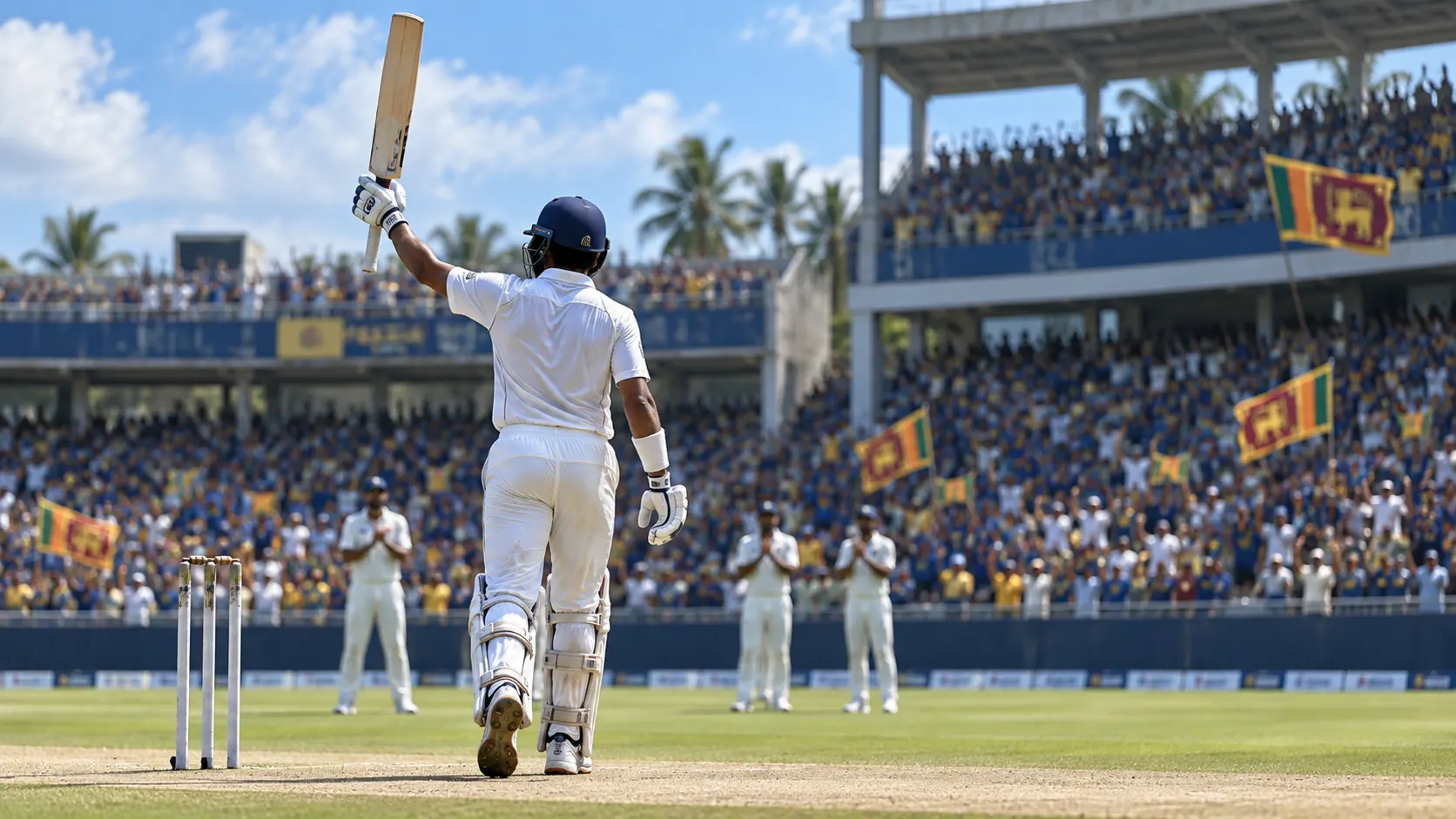
Samson scored an unbeaten 97 against the West Indies, followed by 89 against England in the semi-final and another 89 against New Zealand in the final.
His consistency during the most important matches of the tournament made him one of India’s key players.
In the final against New Zealand, Samson scored 89 from 46 deliveries as India posted 255/5.
His performance helped India establish a huge total before the bowlers completed the job.
Samson Named Player of the Tournament
Samson finished the tournament with 321 runs from five innings and was named the Player of the Tournament.
His tournament was particularly notable because he began the competition outside India’s regular playing XI.
His eventual return to the opening position changed the direction of his campaign.
The three consecutive scores of 80 or more during the knockout stages demonstrated how effectively he responded to the opportunity.
Ishan Kishan Also Made an Impact
Moving Kishan to No. 3 did not reduce his importance to the team.
Kishan finished the tournament with 317 runs, including a half-century in the final against New Zealand.
He was also selected in the ICC’s Team of the Tournament alongside Samson, Hardik Pandya, and Jasprit Bumrah.
His performances showed that India’s batting depth allowed the team to adjust individual roles without removing important contributors from the lineup.
Ponting Praises India’s Team Management
Ponting’s comments also highlighted the importance of backing players during difficult periods.
He said Samson benefited from the confidence and support of India’s captain and coaching staff after being restored to the opening position.
This became particularly important because the change was made after India had suffered a heavy defeat against South Africa.
Instead of abandoning their attacking approach, the team management backed its players and made a tactical adjustment.
India’s High-Risk Approach
India coach Gautam Gambhir has also explained the team’s aggressive approach during the tournament.
Gambhir said India preferred a high-risk, high-reward style of T20 cricket rather than adopting a more conservative approach after setbacks.
That approach helped India produce a huge total in the final.
India scored 255/5, with Samson making 89, Abhishek Sharma scoring 52 from 21 balls and Kishan contributing 54 from 25 deliveries.
India Defeats New Zealand by 96 Runs
New Zealand set a target of 256 but were eventually bowled out for 159.
India therefore won the final by 96 runs at the Narendra Modi Stadium in Ahmedabad.
Jasprit Bumrah was another major contributor, taking 4/15 in the final.
His outstanding display secured him the Player of the Match honor.
India Makes T20 World Cup History
The triumph marked India’s third-ever Men’s T20 World Cup championship.
It also made India the first team to successfully defend the Men’s T20 World Cup and the first team to win the tournament on home soil.
India won eight of its nine matches during the tournament, with its only defeat coming against South Africa.
The team’s ability to recover from that loss became one of the defining features of its campaign.
India’s Depth Stands Out
The Samson-Kishan adjustment also demonstrated India’s batting depth.
The team could change the order without significantly weakening its overall batting strength.
Samson provided attacking options at the top, Kishan adapted to the No. 3 position, and other players continued contributing throughout the tournament.
Four Indian players were eventually named in the ICC’s Team of the Tournament, underlining the team’s overall strength.
What the Decision Shows
The change in India’s batting order highlights how important tactical flexibility can be in T20 cricket.
A team may enter a tournament with a preferred combination, but performances and match conditions can force changes.
India’s management responded to the defeat against South Africa by making a significant adjustment rather than completely changing its overall strategy.
The results suggest that the decision gave Samson the confidence and opportunity to perform at his best.
India’s Future
The success of the 2026 campaign gives India a strong foundation for future T20 internationals.
However, maintaining that success will require the team to continue developing players and adapting its combinations.
The performances of Samson, Kishan, Bumrah, Pandya, and other members of the squad have given India several options going forward.
The challenge will be maintaining the same level of consistency after the World Cup victory.
Conclusion
India’s T20 World Cup 2026 triumph was built on strong performances throughout the tournament, but Ricky Ponting believes the decision to restore Sanju Samson as opener was one of the key moments in the campaign.
After returning to the top of the order, Samson scored 97*, 89 and 89 in India’s final three matches and finished with 321 runs, earning the Player of the Tournament award.
Ishan Kishan also played an important role after moving to No. 3, finishing with 317 runs and earning a place in the ICC’s Team of the Tournament.
India ultimately defeated New Zealand by 96 runs in the final and became the first team to successfully defend the Men’s T20 World Cup title.
The tournament therefore demonstrated not only India’s batting and bowling strength but also the importance of tactical decisions and player management during a major international competition.
Sources: ICC, BCCI, India Today, and NDTV.
Disclaimer: This article includes analysis and opinions from former players. Tactical assessments are opinions and should not be treated as official rankings.