
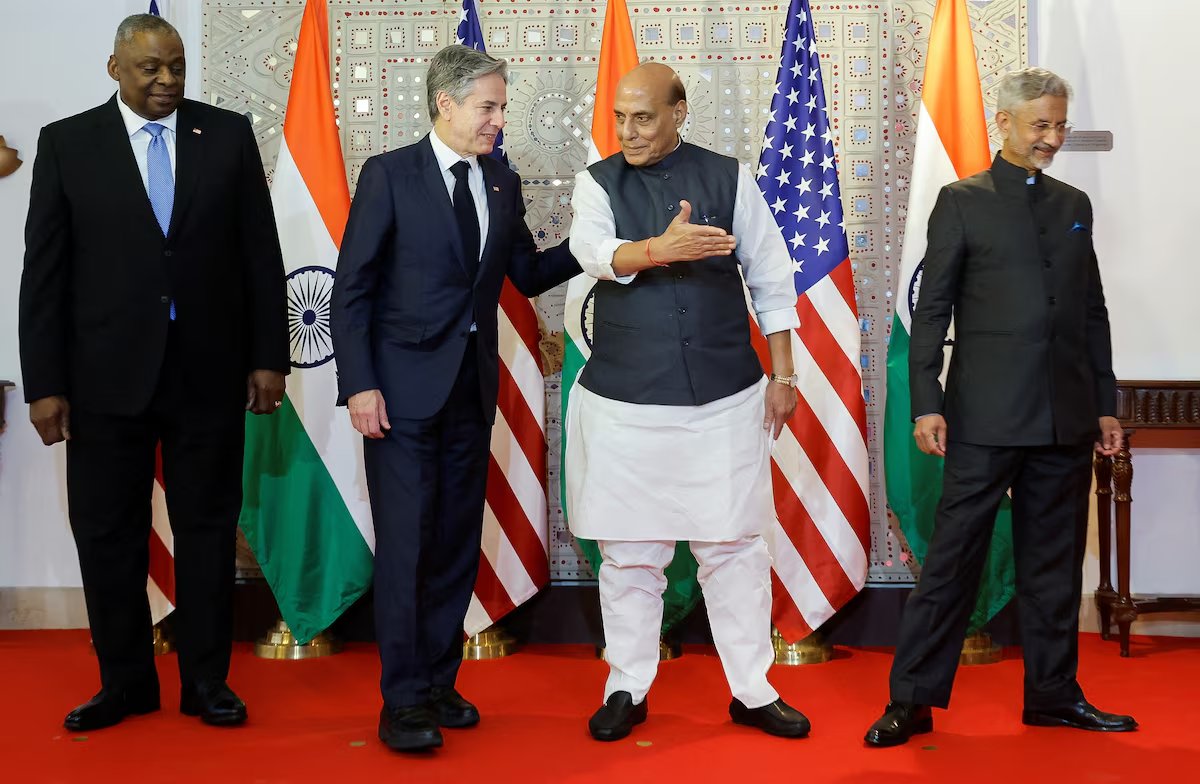
Countries Push for Diplomatic Talks to Stabilize the Region
18-MAR-2026, 12:09 PM Amid rising geopolitical tensions and growing concerns over regional instability, countries around the world are increasingly pushing for diplomatic talks to restore peace and maintain global balance. In recent times, multiple regions have witnessed conflicts, military escalations, and political disagreements, prompting global leaders to prioritise dialogue over confrontation.
Diplomacy has long been recognised as one of the most effective tools for resolving conflicts without resorting to violence. As tensions escalate in various parts of the world, nations are turning to diplomatic channels to prevent further deterioration of the situation.
Importance of Diplomacy in Global Stability
Diplomacy plays a crucial role in maintaining international peace and security. Through dialogue, negotiation, and cooperation, countries can address their differences and find mutually acceptable solutions.
In times of conflict, diplomatic talks help reduce misunderstandings, build trust, and create opportunities for peaceful resolution. They also provide a platform for nations to express their concerns and negotiate agreements that benefit all parties involved.
Organisations like the United Nations often facilitate such discussions, bringing together representatives from different countries to work towards common goals.
Rising Global Tensions
Several regions around the world are currently experiencing heightened tensions due to political disputes, territorial conflicts, and security concerns. These tensions have raised fears of prolonged instability and potential economic disruptions.
Countries are becoming increasingly aware of the risks associated with prolonged conflicts, including loss of life, economic downturns, and damage to international relations. As a result, there is a growing emphasis on initiating diplomatic talks at both bilateral and multilateral levels.
Role of Global Leaders
World leaders play a vital role in promoting diplomacy and encouraging dialogue. High-level meetings, international summits, and back-channel negotiations are being used to address sensitive issues and find common ground.
Leaders from major global powers are engaging in discussions aimed at de-escalating conflicts and promoting cooperation. These efforts are essential in preventing conflicts from escalating into larger crises.
Economic Implications of Conflict
Conflicts and tensions have a direct impact on the global economy. Disruptions in trade, fluctuations in oil prices, and instability in financial markets are common consequences of geopolitical issues.
By promoting diplomatic talks, countries aim to minimize these economic risks and ensure stability in global markets. Peaceful resolutions can restore investor confidence and support economic growth.
Challenges in Diplomatic Negotiations
While diplomacy is essential, it is not without challenges. Differences in political ideologies, national interests, and strategic priorities can make negotiations complex.
Trust deficits between countries can also hinder progress, making it difficult to reach agreements. In some cases, domestic political pressures may influence a country’s stance in negotiations.
Despite these challenges, continued dialogue remains the best option for achieving long-term peace and stability.
Multilateral Cooperation
Multilateral platforms provide opportunities for countries to collaborate on common issues. Forums such as international conferences and summits allow nations to discuss shared concerns and develop coordinated responses.
The involvement of organizations like the United Nations helps ensure that discussions are structured and inclusive. These platforms also provide smaller nations with a voice in global decision-making.
Impact on Regional Stability
Diplomatic talks can significantly improve regional stability by reducing tensions and fostering cooperation. Agreements reached through dialogue can lead to ceasefires, peace treaties, and long-term partnerships.
Stability in one region often has positive ripple effects globally, contributing to overall peace and economic growth.
Future Outlook
As global challenges continue to evolve, the importance of diplomacy is expected to grow. Countries will need to adopt flexible and innovative approaches to address complex issues.
Technology and digital communication are also playing a role in modern diplomacy, enabling faster and more efficient communication between nations.
Continued investment in diplomatic efforts will be essential for maintaining global peace and stability.
Humanitarian Benefits of Dialogue
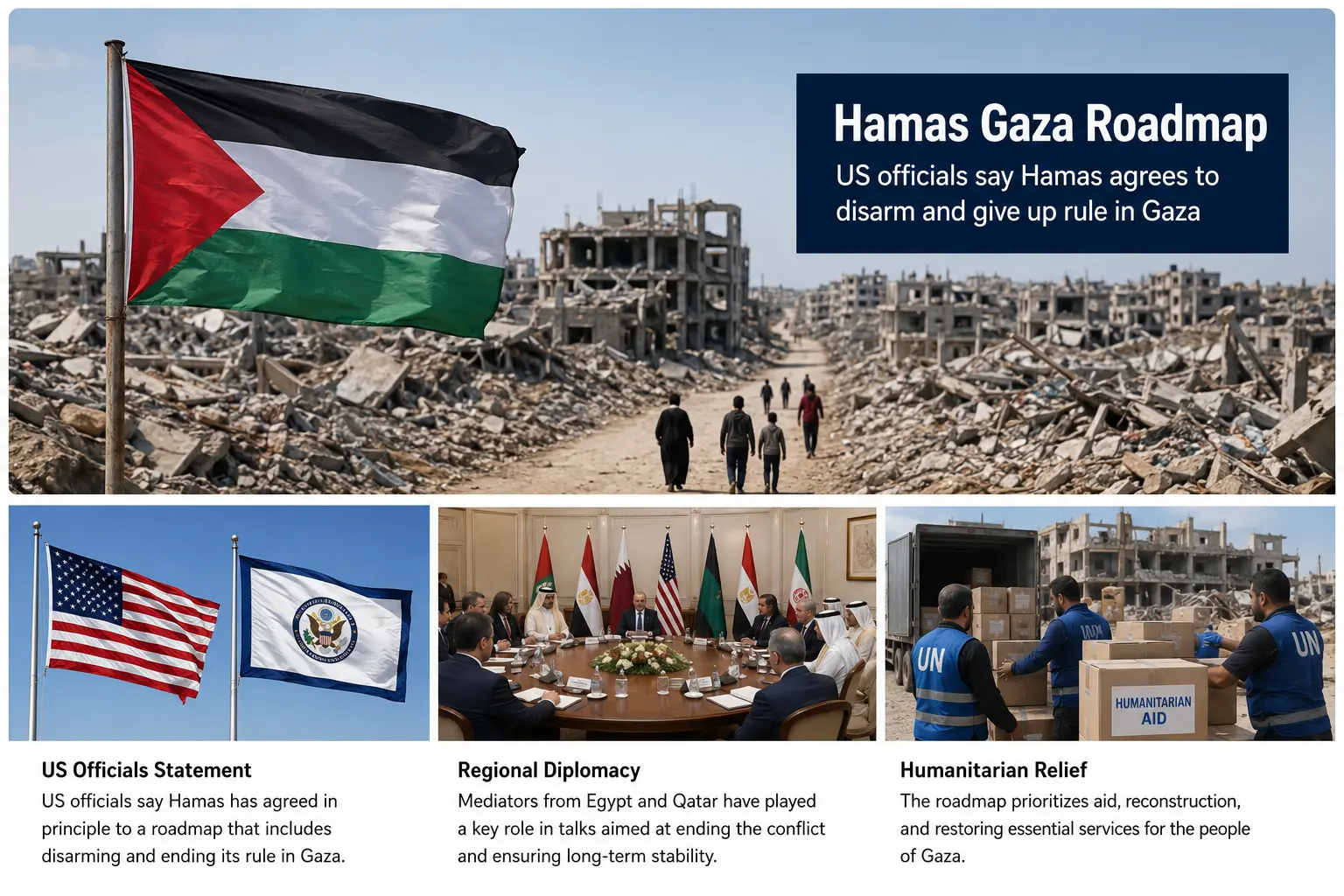
Diplomatic engagement can also play an important role in addressing humanitarian concerns during periods of conflict. Negotiations may create opportunities for humanitarian assistance, evacuation arrangements, and the delivery of essential supplies to affected communities.
When countries maintain communication channels, they can coordinate responses to emergencies and reduce the risks faced by civilians. Even when broader political disagreements remain unresolved, limited agreements on humanitarian matters can provide immediate relief to people affected by instability.
Preventing Wider Escalation
One of the key objectives of diplomatic efforts is to prevent local disputes from developing into larger regional or international crises. Communication between governments can help clarify intentions and reduce the possibility of misunderstandings that could lead to further confrontation.
Regular diplomatic contact also allows countries to communicate concerns directly rather than relying entirely on public statements or military actions. This can create opportunities for de-escalation and encourage governments to explore peaceful alternatives.
Role of Regional Organizations
Regional organizations can contribute significantly to diplomatic efforts by bringing neighboring countries together. Such organizations understand local political, economic, and security concerns and can provide platforms for dialogue between countries with shared interests.
Regional cooperation can also support confidence-building measures and encourage governments to work collectively on issues such as trade, security, humanitarian assistance, and border stability.
Importance of Continued Communication
Diplomatic progress often requires patience because complex international disputes rarely have immediate solutions. Maintaining communication even during difficult periods can help preserve opportunities for future negotiations.
Countries may use official meetings, diplomatic representatives, international forums, and other communication channels to continue discussions. Keeping these channels open can become particularly important when tensions increase and trust between governments is limited.
Building Long-Term Cooperation
Successful diplomacy can go beyond resolving an immediate crisis. Agreements reached through negotiations can create foundations for stronger economic, political, and security cooperation in the future.
Countries that establish regular dialogue may find it easier to address emerging disputes before they become serious conflicts. Long-term cooperation can also encourage greater stability and create conditions that support trade, investment, and regional development.
As geopolitical challenges continue to evolve, sustained diplomatic engagement will remain an important part of international efforts to protect peace and stability.
Conclusion
The push for diplomatic talks reflects a collective recognition of the need for peaceful conflict resolution. As countries navigate complex geopolitical landscapes, dialogue remains the most effective tool for achieving stability.
Through cooperation, negotiation, and mutual understanding, nations can work together to address challenges and build a more peaceful and secure world.
SOURCE: ABP NEWS

5 thoughts on “Countries Push for Diplomatic Talks to Stabilize the Region Amid Rising Tensions”