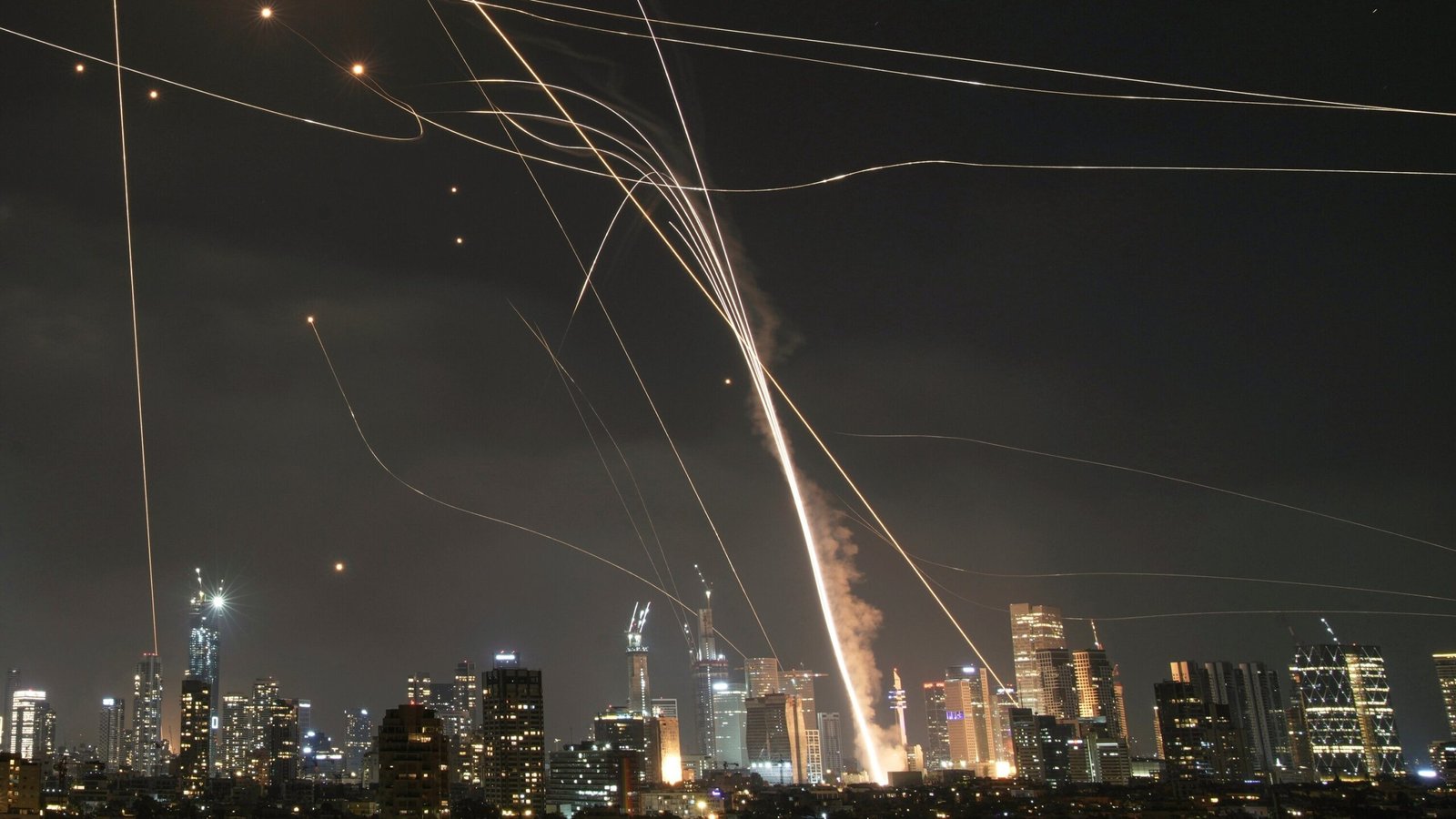
17-MAR-2026, 12:23 PM, The ongoing Iran-Israel conflict continued to create international security and energy concerns on March 17, with disruption around the Strait of Hormuz pushing oil prices higher and raising concerns about global fuel supplies.
The strategic waterway remained largely disrupted as the conflict entered its third week. The Strait of Hormuz is a major energy route through which around 20% of global oil and liquefied natural gas trade normally passes.
The disruption has increased concerns over energy availability, transportation costs and inflation in economies that depend heavily on imported oil.
Oil Prices Move Higher
Oil markets reacted to renewed supply concerns on March 17.
Brent crude futures rose more than 2% to around $102.95 a barrel, while US West Texas Intermediate crude gained about 2.6% to $95.95 in early trading.
The move followed a decline in oil prices during the previous session, when some vessels managed to pass through the Strait of Hormuz.
The latest increase reflected renewed concerns that the disruption could last longer than initially expected.
Markets are closely watching the duration of the conflict because prolonged restrictions on shipping could reduce the amount of crude reaching international markets.
Rising Concerns Surround the Strait of Hormuz
The Strait of Hormuz serves as a vital maritime passage linking the Persian Gulf to the Gulf of Oman and the Arabian Sea.
Its importance to global energy markets comes from the large volume of oil and LNG that normally passes through the waterway.
The conflict has severely disrupted commercial shipping in the area.
Maritime intelligence data indicated that vessel traffic through the strait remained extremely low compared with normal levels. Windward reported only two crossings on March 16, around 97% below its normal traffic level.
The limited traffic has created uncertainty for oil producers, shipping companies, and importers.
US Allies Reject Warship Request
The security situation also created diplomatic tensions.
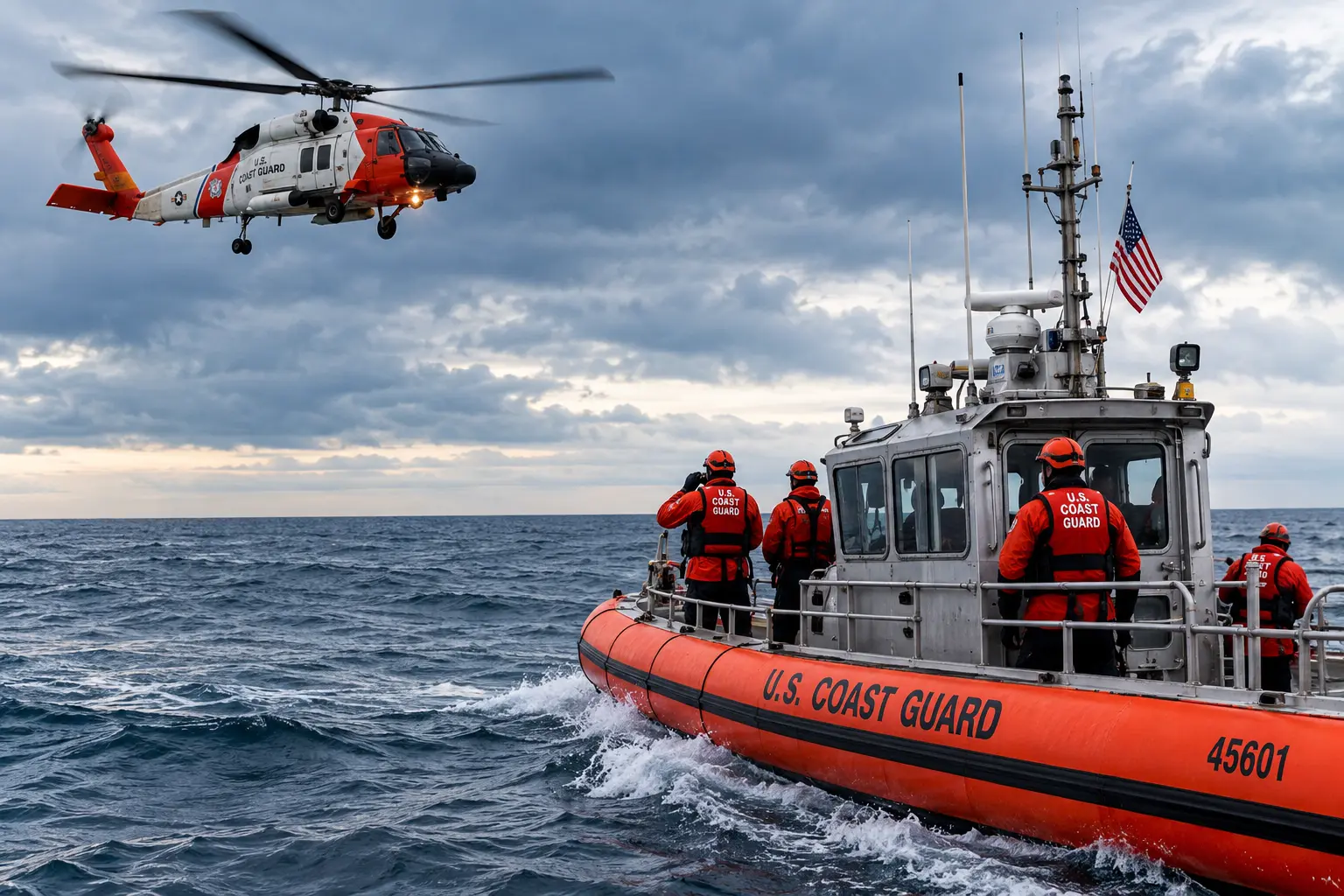
US President Donald Trump called on allies to provide warships to help escort tankers through the Strait of Hormuz.
However, several US partners, including Germany, Spain and Italy, said they had no immediate plans to send naval vessels for the proposed operation.
The decision highlighted the difficulty of creating an international military operation to secure commercial shipping while the conflict remains active.
European officials have also expressed concerns about putting their personnel at greater risk.
Why Hormuz Matters to the Global Economy
Around one-fifth of global oil and LNG trade normally passes through the waterway.
Any prolonged disruption can therefore affect more than just countries in the Middle East.
Lower oil exports can push international crude prices higher.
Higher crude prices can then increase the cost of petrol, diesel, aviation fuel, transportation and manufacturing.
For countries that import large quantities of crude oil, the impact can eventually reach consumers through higher fuel and transportation costs.
Risk of Higher Inflation
One of the major concerns created by the conflict is the possibility of renewed inflationary pressure.
When energy prices increase, businesses can face higher operating and transportation costs.
Higher expenses may ultimately be transferred to consumers through increased prices.
Higher fuel prices can also increase the cost of moving food, industrial products, and other goods.
For central banks, a prolonged energy-price shock can make the fight against inflation more difficult.
India Watches the Situation Closely
The developments are also important for India because the country is a major importer of crude oil.
Reports on March 17 said Iran had asked India to release three tankers seized in February as part of discussions concerning the safe passage of Indian-flagged or India-bound vessels through the Gulf.
The situation has therefore created an additional concern for Indian shipping and energy security.
However, India’s Ministry of External Affairs rejected reports that New Delhi had discussed returning the tankers as part of a security arrangement.
India has continued to monitor developments closely because any prolonged disruption to Gulf shipping could affect crude supplies and transportation costs.
Global Oil Supply Faces Uncertainty
The conflict has created uncertainty about how much oil can move through the Gulf.
The United Arab Emirates was reported to have reduced production significantly because of the disruption, adding another layer of pressure to global supplies.
The International Energy Agency has also discussed additional emergency oil releases after member countries agreed to release 400 million barrels from strategic reserves.
Such measures are intended to reduce the impact of supply disruptions and prevent an extreme shortage in global markets.
However, emergency reserves cannot permanently replace normal production and shipping flows.
Conflict Could Affect Shipping Costs
The disruption is also increasing risks for commercial shipping companies.
Tanker operators face higher insurance costs when operating in areas affected by military conflict.
Some companies may choose to delay voyages or use alternative routes when possible.
Alternative routes can increase travel distances, fuel consumption, and transportation expenses.
These additional costs can eventually affect the price of delivered energy.
Security Risks Extend Beyond Oil
The situation is not only an energy-market issue.
The conflict has created wider concerns about maritime security and the safety of civilian vessels.
The International Maritime Organization has warned about the risks facing ships and seafarers in the region.
The possibility of attacks, mines or other security incidents makes commercial operators more cautious about using the waterway.
This creates a difficult balance between keeping energy supplies moving and protecting crews and vessels.
Diplomatic Efforts Continue
Despite the military tensions, diplomatic efforts have continued.
Countries in the region and international organisations have been looking for ways to reduce the risk of further escalation.
However, the immediate security situation around the Strait of Hormuz remains uncertain.
The longer the conflict continues, the greater the possibility that disruptions could affect global energy markets for an extended period.
What Markets Are Watching
Investors and energy traders are closely monitoring several developments:
- Whether shipping through the Strait of Hormuz increases
- Further attacks on energy infrastructure
- Changes in Iranian oil exports
- International efforts to secure commercial shipping
- Additional strategic oil-reserve releases
- Diplomatic efforts to reduce the conflict
- Changes in global crude demand
Any improvement in shipping conditions could ease oil prices.
Conversely, a further escalation could increase supply concerns and push energy prices higher.
Outlook for Global Energy Markets
The immediate outlook remains uncertain.
Oil markets are likely to remain highly sensitive to developments in the conflict and the Strait of Hormuz.
A sustained reduction in shipping could keep a risk premium in crude prices.
A diplomatic breakthrough or restoration of normal shipping could have the opposite effect.
For now, energy markets remain focused on whether the disruption is temporary or develops into a longer-term supply problem.
Conclusion
The Iran-Israel conflict continued to affect global security and energy markets on March 17, with disruption around the Strait of Hormuz contributing to renewed oil-price gains.
Brent crude rose above $102 a barrel, while shipping through the strategic waterway remained severely restricted.
The Strait of Hormuz normally handles around one-fifth of global oil and LNG trade, making the disruption particularly important for energy-importing countries.
The United States has called for international assistance to secure tanker movements, but several European allies have declined to immediately provide warships.
India is also monitoring the situation because of its dependence on imported crude and the importance of Gulf shipping routes.
With diplomatic efforts continuing and the security situation still uncertain, the coming days will be important for determining whether energy flows recover or further disruptions place additional pressure on global oil markets.
Sources: Reuters, International Maritime Organisation and Al Jazeera.