
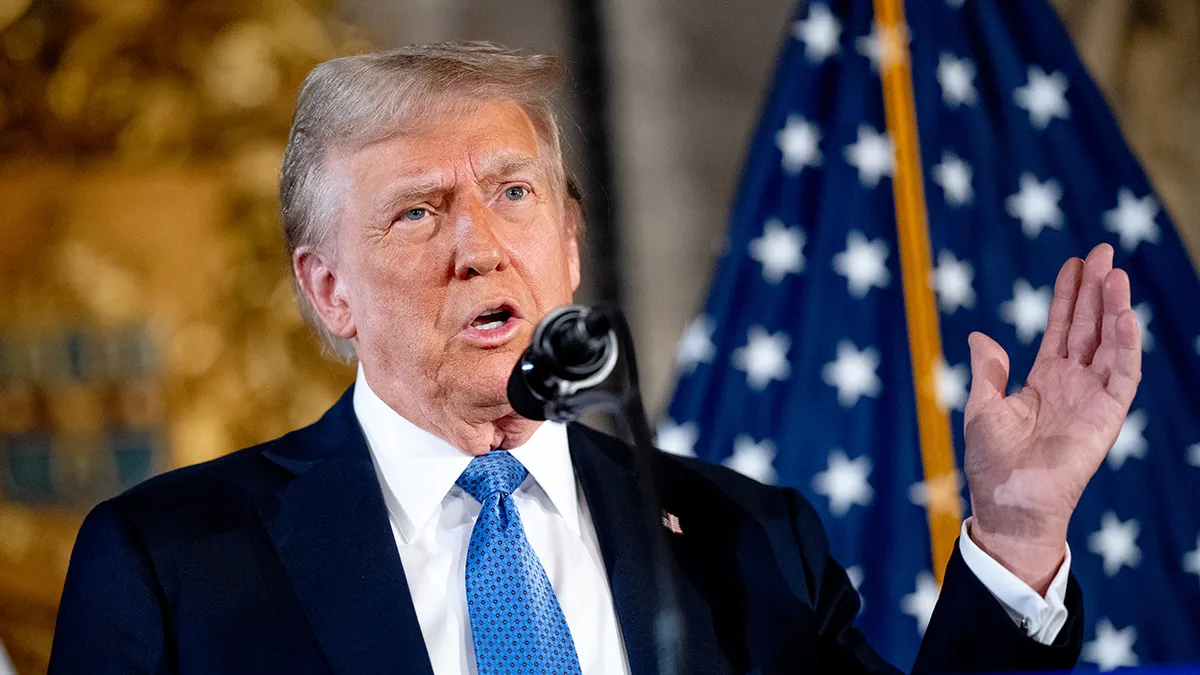
19-MAR-2026, 12:08 PM Amid escalating tensions in the Middle East, former US President Donald Trump has made a significant statement regarding the recent attack on Iran’s South Pars gas field. He clarified that the United States had no prior intelligence about the Israeli strike and suggested that Israel is unlikely to target the facility again—unless further escalation occurs.
This development comes at a time when the region is already facing heightened instability, with global energy markets and security concerns.
Trump Distances US From Israeli Strike
According to multiple reports, Donald Trump stated that the United States was not involved in the attack on Iran’s South Pars gas field and had no advance knowledge of the operation.
He emphasised that neither the US nor Qatar had any role in planning or executing the strike, highlighting a rare moment of strategic disconnect between allies.
This statement appears to be aimed at de-escalating tensions and avoiding direct blame on the US in an already volatile situation.
Israel’s Future Stance on South Pars
Trump further indicated that Israel is not expected to carry out additional strikes on the South Pars gas field. The facility, one of the most critical energy hubs in the world, holds immense strategic and economic importance.
However, this assurance comes with a condition. Trump warned that if Iran escalates the conflict—particularly by targeting Qatar—then the situation could change dramatically.
This conditional stance reflects a fragile balance between deterrence and diplomacy.
Warning to Iran Over Escalation
In a strong warning, Donald Trump stated that any further Iranian attack on Qatar could trigger a severe response from the United States. Reports indicate that he even warned of massive retaliation targeting the South Pars field itself if escalation continues.
This warning underscores the strategic importance of Qatar in global energy supply chains and US geopolitical interests in the region.
Importance of South Pars Gas Field
The South Pars gas field is the world’s largest natural gas reserve, shared between Iran and Qatar. It plays a critical role in:
Iran’s domestic energy supply
Global liquefied natural gas (LNG) markets
Regional economic stability
Any attack on this facility has far-reaching consequences, including disruptions in energy supply and sharp increases in global oil and gas prices.
Recent strikes have already caused damage to production facilities and triggered spikes in oil prices, highlighting the global impact of the conflict.
Regional Escalation and Retaliation
Following the Israeli strike, Iran reportedly carried out retaliatory attacks targeting energy infrastructure in the Gulf region, including sites in Qatar.
These retaliatory actions have further intensified tensions, raising fears of a broader regional conflict involving multiple countries.
The situation has also led to disruptions in key shipping routes and increased concerns over energy security worldwide.
Global Reactions and Concerns
International leaders and organisations have expressed concern over the escalation. Many are calling for restraint and diplomatic efforts to prevent further violence.
The targeting of energy infrastructure is particularly alarming, as it not only affects regional stability but also threatens global economic systems dependent on steady energy supplies.
Impact on Global Energy Markets
The conflict has already had a noticeable impact on global markets:
Oil prices have surged significantly
Energy supply chains face uncertainty
Investor confidence has been shaken
The Strait of Hormuz, a critical oil transit route, is also under threat, adding to global concerns.
Strategic and Political Implications
Trump’s statement highlights several key geopolitical dynamics:
A potential gap in coordination between the US and Israel
Efforts to avoid direct US involvement
A focus on protecting allies like Qatar
Use of strong warnings as a deterrence strategy
This situation reflects the complex nature of modern geopolitical conflicts, where military actions, diplomacy, and economic interests are deeply interconnected.
Qatar’s Strategic Importance
Qatar remains an important factor in the developing situation because of its major role in the global energy sector and its strategic position in the Gulf. Any threat to its energy infrastructure could create wider concerns among international markets and energy-dependent countries.
The country’s close security relationship with the United States also adds another dimension to the situation. Developments involving Qatar could therefore influence both regional diplomacy and broader international relations.
Risks to Energy Infrastructure
The reported attacks have highlighted the vulnerability of critical energy facilities during periods of military escalation. Damage to major gas installations can affect production, transportation, and international supply arrangements.
Energy companies and governments are likely to pay close attention to developments around important production facilities. Prolonged uncertainty could encourage companies to review security arrangements and prepare contingency plans for possible disruptions.
Pressure on Global Markets
Financial markets are particularly sensitive to developments that could affect energy supplies. Any indication of further attacks on major gas or oil infrastructure could increase concerns about shortages and push energy prices higher.
Higher energy costs can also affect transportation, manufacturing, and household expenses in different countries. Investors may therefore continue watching military developments alongside currency movements, commodity prices, and broader economic indicators.
Diplomatic Efforts Remain Important
Despite strong warnings from political leaders, diplomatic efforts remain important for preventing further escalation. Communication between the countries involved could help reduce misunderstandings and create opportunities for negotiations.
International partners may also encourage restraint as they assess the potential consequences of further attacks on energy infrastructure. A reduction in hostilities could provide greater stability to the region and reduce pressure on global energy markets.
What Could Happen Next
The next phase of the situation will depend on the actions taken by Iran, Israel, the United States, Qatar, and other regional actors. Any additional military strikes or retaliatory attacks could increase uncertainty and raise concerns about a wider confrontation.
At the same time, diplomatic initiatives could create an opportunity for tensions to ease. For global markets, the security of energy facilities and major shipping routes will remain a key concern as developments continue.
Conclusion
The statement by Donald Trump marks a critical moment in the ongoing Middle East conflict. By distancing the US from the Israeli strike and signalling no further attacks on South Pars—unless provoked—Trump appears to be attempting a balance between de-escalation and deterrence.
However, with tensions still high and retaliatory actions already underway, the situation remains highly volatile. The coming days will be crucial in determining whether diplomatic efforts can stabilise the region or if the conflict will escalate further, impacting global security and energy markets.
SOURCE: ABP NEWS


2 thoughts on “Israel Won’t Target Iran’s South Pars Again, US Had No Prior Intel: Trump”