
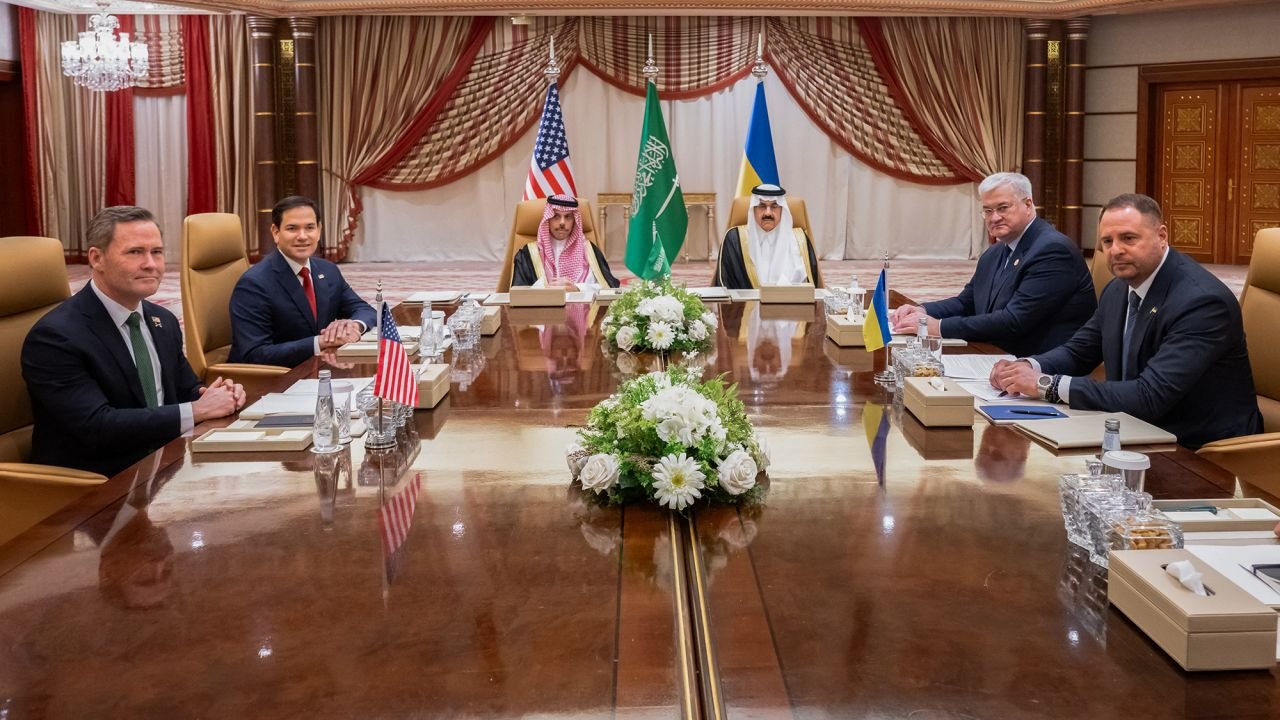
20-MAR-2026, 1:17 PM: Amid rising global tensions and ongoing conflicts in different regions, world leaders are increasingly calling for peace talks and diplomatic solutions. The international community, led by organizations such as the United Nations, is emphasizing dialogue over conflict as the most effective way to ensure long-term stability and security.
These calls reflect growing concerns about the impact of conflicts on global peace, economic stability, and humanitarian conditions. As tensions continue to rise, the need for constructive engagement and negotiation has become more urgent than ever.
Rising Global Tensions
In recent times, several regions around the world have witnessed escalating tensions due to geopolitical disputes, territorial conflicts, and political disagreements. These situations not only affect the countries directly involved but also have wider implications for global stability.
Conflicts can disrupt trade, increase energy prices, and create uncertainty in international markets. As a result, world leaders are recognising the importance of addressing these issues through peaceful means.
Role of the United Nations
The United Nations plays a central role in promoting peace and diplomacy. It provides a platform where countries can engage in dialogue, negotiate agreements, and resolve disputes without resorting to violence.
Through its various bodies and agencies, the United Nations works to:
Facilitate peace negotiations
Deploy peacekeeping missions
Provide humanitarian assistance
Promote international cooperation
Its efforts are crucial in maintaining global peace and preventing conflicts from escalating further.
Importance of Diplomacy
Diplomacy is the process of resolving conflicts through dialogue, negotiation, and mutual understanding. It allows countries to address their differences without causing harm or destruction.
Key benefits of diplomacy include:
Reducing the risk of war
Building trust between nations
Encouraging cooperation
Finding long-term solutions
World leaders are emphasizing diplomacy as a sustainable and effective approach to conflict resolution.
Calls from Global Leaders
Leaders from various countries have publicly called for restraint and peaceful negotiations. They are urging all parties involved in conflicts to:
Cease hostilities
Engage in constructive dialogue
Respect international laws
Work towards mutually beneficial solutions
These calls highlight a shared understanding that conflicts cannot be resolved through force alone.
Impact on Global Economy
Conflicts and tensions have a direct impact on the global economy. They can lead to:
Disruptions in trade
Fluctuations in oil and commodity prices
Decline in investor confidence
Economic instability
By promoting peace talks, world leaders aim to stabilize economic conditions and ensure sustainable growth.
Humanitarian Concerns
One of the most serious consequences of conflicts is the humanitarian crisis they create. Wars and violence lead to:
Loss of lives
Displacement of people
Destruction of infrastructure
Shortage of essential resources
Diplomatic solutions can help prevent such crises and protect vulnerable populations.
Challenges in Peace Negotiations
While diplomacy is essential, achieving peace is not always easy. Some of the challenges include:
Deep-rooted political differences
Lack of trust between parties
External influences
Complex historical issues
Despite these challenges, continued efforts and dialogue are necessary to find solutions.
Role of International Cooperation
Global cooperation is key to successful peace efforts. Countries need to work together, share resources, and support diplomatic initiatives.
International organizations, regional groups, and alliances play an important role in facilitating cooperation and ensuring that peace efforts are sustained.
Media and Public Influence
Media coverage and public opinion also influence peace efforts. Awareness about conflicts and their impact can encourage governments to prioritize diplomatic solutions.
Public support for peace initiatives can strengthen the efforts of world leaders and organizations.
Future Outlook
The continued call for peace talks indicates a growing recognition of the importance of diplomacy in maintaining global stability. While challenges remain, ongoing efforts by the United Nations and world leaders provide hope for peaceful resolutions.
Future developments will depend on:
Willingness of parties to negotiate
Support from the international community
Effective implementation of agreements
Importance of Ceasefire Agreements
Ceasefire agreements can provide an important first step toward reducing violence and creating conditions for further negotiations. Even temporary pauses in fighting can allow humanitarian organisations to deliver essential supplies and help affected communities receive medical assistance.
A ceasefire can also create an opportunity for representatives from different sides to establish communication channels and discuss broader political issues. Maintaining such agreements can be challenging, but sustained diplomatic engagement can help prevent renewed escalation.
Humanitarian Assistance Through Diplomacy
Diplomatic efforts are closely connected with humanitarian assistance. During conflicts, negotiations can help facilitate the safe movement of civilians and the delivery of food, medicine, and other essential supplies.
International organizations and humanitarian agencies often depend on cooperation between governments and conflicting parties to reach affected populations. Greater diplomatic coordination can therefore help reduce the suffering caused by prolonged conflicts.
Role of Regional Powers
Regional countries can also contribute to peace efforts because they often have direct economic, political, or security interests in nearby conflicts. Their involvement can provide additional channels for communication and create opportunities for negotiations.
Regional powers may encourage conflicting parties to reduce tensions and participate in dialogue. Cooperation between neighbouring countries can also support longer-term stability and reduce the possibility of conflicts spreading across borders.
Economic Benefits of Peace
Peace and stability can create better conditions for economic development. When conflicts decline, countries can focus more resources on infrastructure, employment, trade, education, and healthcare.
Stable conditions can also improve investor confidence and support the restoration of disrupted supply chains. Businesses are more likely to plan long-term investments when political and security conditions are predictable.
Need for Long-Term Commitment
Achieving peace often requires more than a single agreement or meeting. Countries involved in negotiations may need to maintain communication and demonstrate a continued commitment to implementing agreed measures.
International organizations can support this process by encouraging dialogue, monitoring developments, and helping parties address disagreements that emerge during implementation.
Sustained diplomatic engagement can gradually build confidence and create a stronger foundation for lasting regional and global stability.
Conclusion
The call by world leaders for peace talks and diplomatic solutions underscores the urgent need to address global conflicts through dialogue and cooperation. With the support of organizations like the United Nations, efforts are being made to reduce tensions, prevent violence, and promote stability.
In an increasingly interconnected world, peace is not just a necessity but a shared responsibility. Through sustained diplomatic efforts, the global community can work towards a future defined by cooperation, understanding, and lasting peace.
SOURCE: ABP LIVE

One thought on “United Nations Leads Global Call for Peace Talks and Diplomatic Solutions”