21-MAR-2026, 1:03 PM, Rising tensions in the Middle East were creating growing concerns for global energy markets and international trade in March 2026. The situation had become particularly important because disruptions around the region were affecting oil production, shipping routes and the movement of energy supplies.
The Strait of Hormuz was at the centre of these concerns.
The disruption has consequences far beyond the Middle East. Higher energy costs can affect transportation, manufacturing, inflation, and consumer prices in countries that depend on imported fuel.
Why the Middle East Is Crucial to Global Energy Supply
The Middle East plays a central role in the global energy market, serving as a major hub for oil and gas production.
Major producers in the region supply crude oil and natural gas to international markets. This makes stability in the area important for countries that rely on energy imports.
The Strait of Hormuz is particularly significant because large quantities of oil and gas normally pass through it.
The IEA said the disruption had created the largest supply disruption in the history of the global oil market, with limited alternative routes available to replace the lost flows.
This means that even temporary restrictions on shipping can create uncertainty for refiners, traders, and governments.
What Is Happening to Oil Supply?
The conflict has affected both production and transportation.
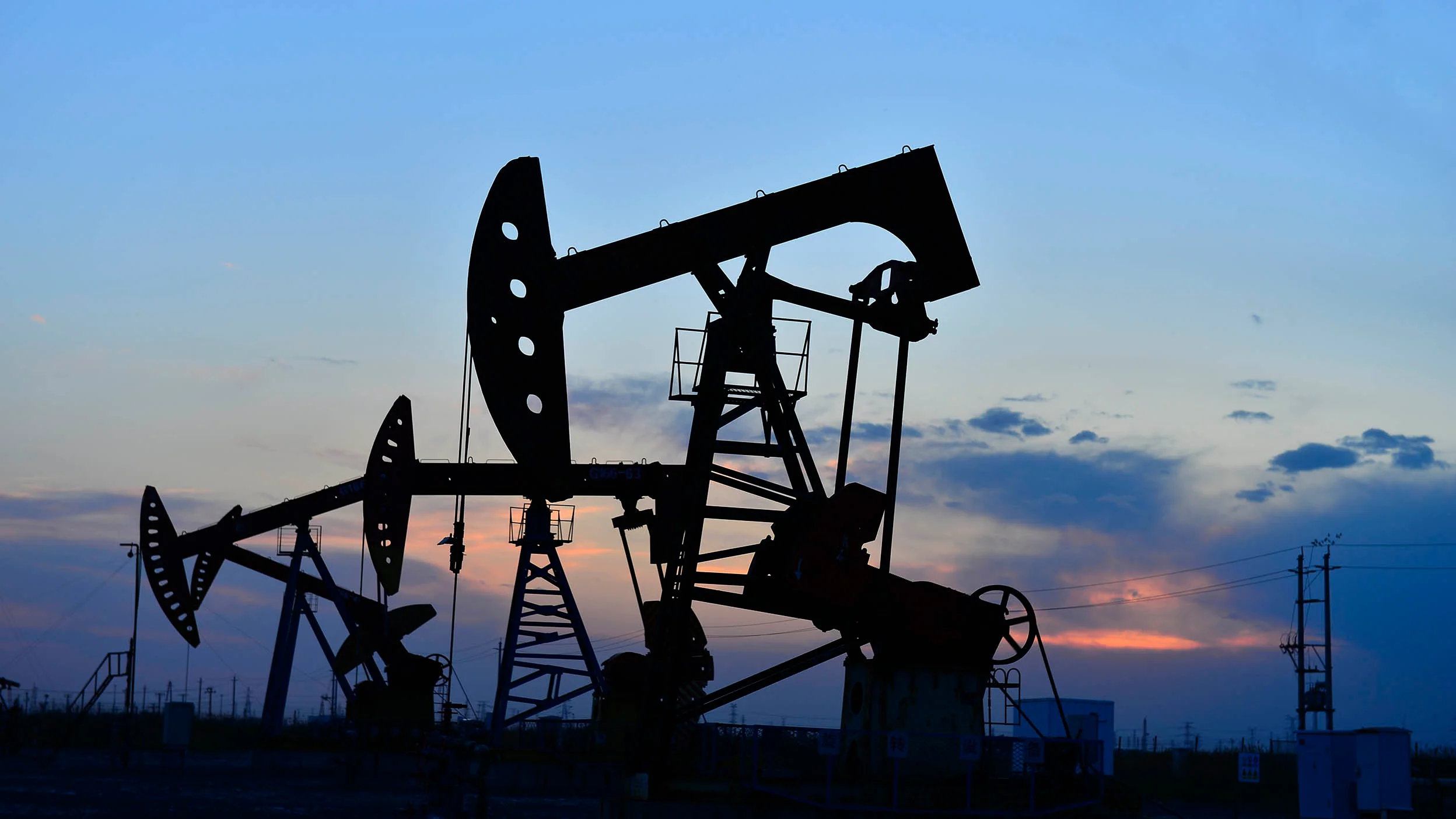
According to the IEA’s March oil market report, Gulf countries had cut total oil production by at least 10 million barrels per day, while global oil supply was projected to fall by around 8 million barrels per day in March.
The agency also reported that more than 3 million barrels per day of refining capacity in the region had already been shut because of attacks and the lack of viable export outlets.
These disruptions have increased pressure on global energy markets.
Oil Prices Remain Volatile
Oil prices reacted sharply to developments in the Middle East during March.
Reuters reported on March 20 that Brent crude had risen sharply during the week before easing on Friday as the United States and its allies discussed ways to increase supply and improve shipping through the Strait of Hormuz.
Brent crude was trading around $107 a barrel during Friday’s session, while US West Texas Intermediate crude was around $95 a barrel at the time of the Reuters report.
The movement showed how quickly geopolitical developments can affect energy prices.
Why the Strait of Hormuz Is Important
The Strait of Hormuz serves as a key maritime passage linking the Persian Gulf to major international shipping networks.
Because a large share of Middle Eastern energy exports normally passes through the waterway, restrictions can have consequences for countries across Asia, Europe, and other regions.
The IEA said nearly 20 million barrels per day of crude and oil products had been disrupted, while alternative routes could not fully replace the volumes normally transported through the Strait.
The disruption also affects liquefied natural gas and refined petroleum products.
Impact on Global Trade
The effects of the Middle East conflict extend beyond crude oil.
When shipping through a major trade route becomes difficult or risky, companies may have to use longer routes or wait for safer conditions.
This can increase:
- Shipping costs
- Insurance premiums
- Delivery times
- Fuel expenses
- Import costs
- Supply-chain risks
Higher transportation costs can eventually affect the prices of goods moving between countries.
The uncertainty can also make businesses more cautious about international trade and investment.
Impact on Inflation
Higher energy prices can create inflationary pressure because oil is used throughout the economy.
Transportation companies need fuel to move goods. Manufacturers use energy to operate factories, while airlines and shipping companies also depend heavily on petroleum products.
When fuel becomes more expensive, businesses can face higher operating costs.
Some of those costs may eventually be passed on to consumers through higher prices.
The World Bank noted that the Middle East conflict had pushed up energy prices and tightened global financial conditions in March.
India Faces Particular Energy Risks
India is particularly sensitive to developments in the Middle East because of its dependence on imported energy.
CRISIL Ratings said India imports around 85% of its crude oil requirements and about half of its LNG requirements. It also estimated that a significant portion of India’s crude and LNG imports normally moves through the Strait of Hormuz.
A prolonged disruption could therefore increase India’s import costs.
Higher crude prices can also put pressure on the country’s current account, inflation, and businesses that depend heavily on energy.
The impact can extend to transportation, manufacturing, and other industries.
Shipping and Supply Chains Under Pressure
Energy is not the only concern.
Companies transporting goods through the region may face higher insurance and freight costs when security risks increase.
Longer shipping routes can also require more fuel and additional time.
For businesses operating on tight delivery schedules, these disruptions can create additional uncertainty.
CRISIL Ratings said prolonged disruption around the Strait could affect global crude and LNG availability and prices while also increasing freight and insurance costs for trade-exposed sectors.
Global Response to the Supply Disruption
Governments and international organisations have been considering measures to reduce the impact of the energy disruption.
The IEA said its member countries had unanimously agreed on March 11 to make 400 million barrels of oil from emergency reserves available to the market.
The United States was also considering measures to increase available supplies.
Reuters reported that Washington was considering easing sanctions on Iranian oil already loaded on vessels, while the US was also involved in coordinated strategic-reserve releases.
Several European countries, including Japan and Canada, had also expressed readiness to contribute to efforts aimed at ensuring safe passage through the Strait.
Why Alternative Energy Matters
The latest disruption has also highlighted the risks of depending heavily on a small number of major energy-producing regions.
Countries have already been investing in renewable energy such as solar and wind power.
The immediate crisis cannot be solved by renewable energy alone, but greater diversification can reduce long-term exposure to oil and gas supply disruptions.
For governments, energy security therefore increasingly involves a combination of traditional fuel reserves, diversified suppliers, alternative transport routes and renewable energy investment.
What Could Happen Next?
The future direction of energy markets will depend heavily on developments in the Middle East.
If shipping through the Strait of Hormuz improves and production gradually returns to normal, some pressure on oil markets could ease.
However, a prolonged disruption could keep energy prices elevated and increase the economic impact on importing countries.
The IEA warned that the longer the disruption continues, the greater the potential supply losses could become.
Markets will therefore continue watching developments around oil infrastructure, shipping routes, production levels and diplomatic efforts.
What It Means for Consumers
Consumers may not immediately see every change in global oil prices.
However, prolonged increases in crude prices can eventually affect fuel costs and the prices of goods and services that depend on transportation or energy.
The impact will vary between countries depending on their energy-import requirements, government policies, and domestic fuel pricing systems.
For India, sustained increases in crude prices could be particularly important because of the country’s high dependence on imported oil.
The Global Economy Faces a Wider Risk
The Middle East tensions demonstrate how closely energy markets are connected to the wider global economy.
An interruption in one major shipping route can influence crude prices, currencies, financial markets, transportation costs, and inflation expectations in countries thousands of kilometres away.
The World Bank has already highlighted the effect of the conflict on global energy prices and financial conditions.
This means governments and businesses are likely to continue monitoring the situation closely.
Conclusion
Middle East tensions had become a major concern for global energy markets and trade by March 21, 2026.
The most immediate issue was the disruption to oil and gas flows through the Strait of Hormuz, a crucial route for international energy shipments. The IEA reported that flows through the Strait had fallen dramatically and that major production cuts were already affecting the global oil market.
Oil prices remained volatile as governments and markets responded to the supply disruption. The United States and its allies were considering measures to increase supplies and improve the safety of shipping through the region.
For countries such as India, the situation is particularly important because of their dependence on imported crude and LNG.
The longer the disruption continues, the greater the potential risks for oil prices, inflation, shipping costs and global economic growth.
Diplomatic efforts, emergency oil reserves, diversified energy supplies and investment in alternative energy can help reduce some of these risks. However, the immediate outlook remains closely tied to developments in the Middle East and the restoration of normal energy and trade flows.
Sources: International Energy Agency, Reuters, World Bank, and CRISIL Ratings.