
Middle East Tensions Rise Amid Fragile Diplomacy
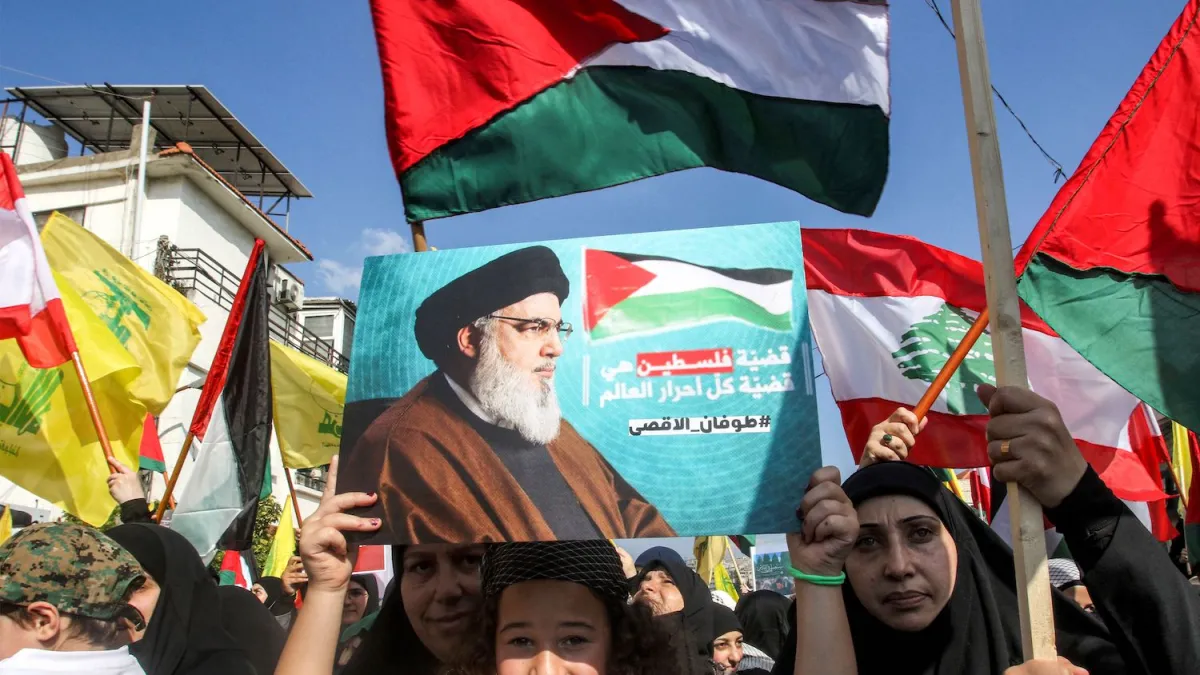
11-Apr-2026, 1:21 PM The already volatile situation in West Asia has intensified as clashes between Hezbollah and Israel escalate sharply, even as high-level diplomatic negotiations between the United States and Iran face delays in Islamabad.
According to multiple reports, renewed cross-border strikes and drone activity have increased fears that the conflict could widen further, just as global powers attempt to stabilize the region through peace talks hosted in Pakistan.
Iran–US Talks in Islamabad Face Uncertainty
At the same time, negotiations between the United States and Iran are underway in Islamabad, aimed at maintaining a fragile ceasefire and addressing key geopolitical disputes.
However, reports confirm that the talks have faced minor delays due to last-minute diplomatic consultations and rising tensions linked to the Israel–Hezbollah conflict. Pakistan is hosting the discussions as a neutral mediator, attempting to bridge gaps between both sides.
Why Israel–Hezbollah Fighting Is a Major Concern
The escalation between Israel and Hezbollah is complicating global peace efforts. The conflict has already led to heavy exchanges of fire in southern Lebanon, with both sides accusing each other of violating ceasefire understandings.
This ongoing violence is directly affecting diplomatic progress, as Iran has maintained that regional conflicts—especially in Lebanon—must be addressed before any long-term agreement can move forward.
Ceasefire Under Pressure
The current ceasefire framework between the US and Iran remains extremely fragile. While negotiations aim to prevent further escalation, unresolved issues—such as military activity in Lebanon and control over key strategic routes like the Strait of Hormuz—continue to create friction.
Recent developments suggest that trust between the parties remains low, and each escalation on the ground further weakens the chances of a stable agreement.
Global Impact of the Crisis
The combined effect of military escalation and diplomatic delays is already being felt globally:
- Oil markets remain volatile due to Middle East instability
- Investors are closely monitoring geopolitical risks
- Security concerns are rising across the region
- Humanitarian conditions in conflict zones are worsening
Experts warn that if the situation continues to escalate, it could trigger wider regional instability.
Pakistan’s Role as Mediator
Pakistan’s role in hosting the Islamabad talks is being seen as a critical diplomatic effort. The country is attempting to maintain balance while facilitating dialogue between the US and Iran, even as external conflicts threaten to derail progress.
Officials have emphasised that continued engagement is essential, despite ongoing tensions on the ground.
What Happens Next?
Diplomatic observers believe the next 24–48 hours will be crucial. If the Israel–Hezbollah escalation continues, it may further delay or complicate the Iran–US negotiations.
However, both sides are still reportedly committed to continuing talks, making this a high-stakes moment for regional peace efforts.
Diplomatic Pressure Continues to Build
The delay in the Iran–US discussions comes at a sensitive time for the region. With military activity continuing in parts of West Asia, negotiators face the difficult task of keeping diplomatic channels open while tensions remain high. Even temporary interruptions in negotiations can increase uncertainty, particularly when several regional actors are closely watching developments.
For diplomats, maintaining communication is important because misunderstandings can quickly increase tensions during an active conflict. Continued discussions could provide an opportunity to address immediate concerns and prevent further deterioration of the situation.
Regional Security Remains a Major Concern
The Israel–Hezbollah escalation has added another layer of complexity to an already fragile regional environment. Any prolonged exchange of attacks could increase pressure on neighboring countries and raise concerns about the possibility of the conflict spreading beyond existing areas of confrontation.
Security officials and international observers are therefore closely watching developments in Lebanon and surrounding areas. The situation also remains connected to broader questions involving military activity, regional alliances, and strategic routes.
Economic Consequences of Rising Tensions
The crisis could also have consequences beyond the immediate conflict zone. West Asia plays an important role in global energy markets and international trade, meaning prolonged instability can affect businesses and consumers in other parts of the world.
Oil prices are particularly sensitive to developments in the region. Concerns about disruptions to supply routes can influence market expectations and increase volatility. Investors may also become more cautious when geopolitical uncertainty rises.
For countries dependent on energy imports, sustained instability could create additional economic pressure. Businesses involved in shipping, aviation, manufacturing, and international trade may also closely monitor developments.
Humanitarian Concerns Grow
Alongside diplomatic and economic concerns, the human impact of continuing hostilities remains significant. Escalating military exchanges can place civilians at risk and create additional pressure on communities already affected by conflict.
Any prolonged confrontation can disrupt essential services, movement, infrastructure, and local economic activity. International organizations and humanitarian agencies generally face greater challenges when violence restricts access to affected areas.
This makes diplomatic efforts important not only for regional stability but also for reducing the potential humanitarian consequences of further escalation.
The Road Ahead for Negotiations
The next stage of the Iran–US talks could determine whether diplomatic efforts regain momentum or face further complications. Continued communication between the parties could help address disagreements and maintain the possibility of a broader understanding.
At the same time, developments involving Israel and Hezbollah could significantly influence the diplomatic environment. Every new military escalation has the potential to make negotiations more difficult by increasing political pressure on the participants.
For now, the situation remains fluid, with diplomacy and military developments unfolding simultaneously. The focus will remain on whether negotiations can continue despite regional tensions and whether efforts by mediators can prevent the crisis from becoming wider.
The coming days will be closely watched by governments and markets worldwide, as diplomatic engagement, military developments, and regional responses could determine the direction of the crisis.
Conclusion – A Fragile Balance Between War and Diplomacy
The simultaneous escalation of Hezbollah vs. Israel and the delayed Iran–US talks in Islamabad highlight how fragile global peace efforts have become.
While diplomacy continues behind closed doors, developments on the battlefield may ultimately determine whether peace is possible—or whether tensions spiral further out of control.
Source: ABP NEWS

One thought on “Israel–Hezbollah Clash Escalates as Iran–US Islamabad Talks Face Delay”