
Your daily dose of news, covering the latest updates in politics, business, sports, entertainment, and more from India and around the world.
Your daily dose of news, covering the latest updates in politics, business, sports, entertainment, and more from India and around the world.
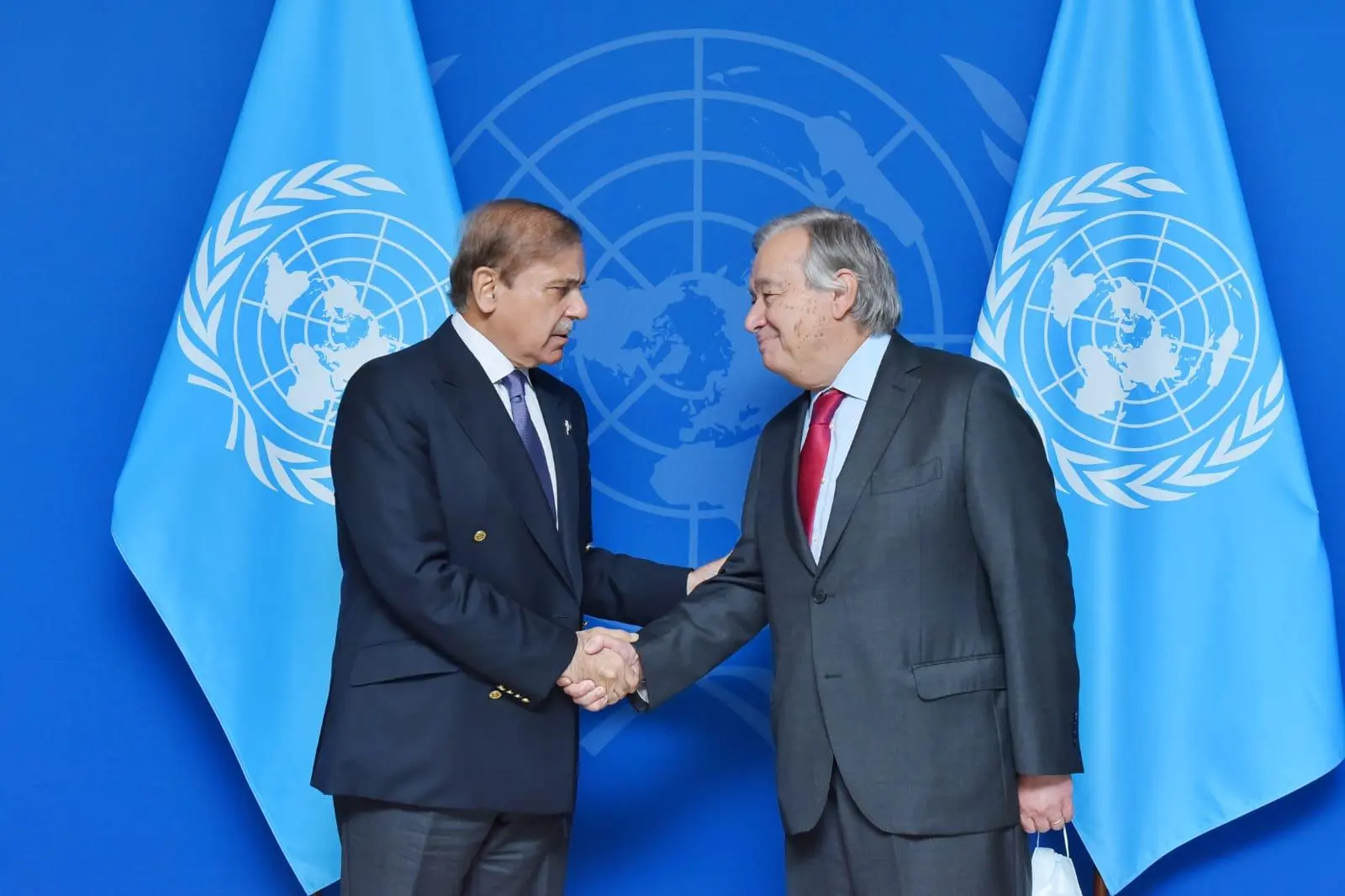
A fresh political debate has emerged after a US Senator criticised Pakistan over its reported role in discussions related to Iran. The remarks have drawn international attention, highlighting ongoing differences in how countries view regional diplomacy and security issues in the Middle East and South Asia.
The comments came during a period of heightened geopolitical tensions, where diplomatic efforts continue to focus on reducing instability across the region. The Senator questioned Pakistan’s credibility as a potential mediator, referring to past security concerns while urging greater accountability in international relations.
The statement has sparked discussion among political observers, with many analysing its possible impact on diplomatic engagement between the United States, Pakistan, and Iran. Although official responses continue to develop, the remarks have already generated significant attention across international media.
International diplomacy often involves complex negotiations between countries with differing political interests. Governments frequently engage in dialogue to reduce tensions, strengthen cooperation, and address regional security challenges.
Pakistan has maintained diplomatic relations with several countries in the Middle East over the years, while also balancing strategic partnerships with global powers. As geopolitical developments continue to evolve, every public statement from senior political leaders can influence international discussions.
Analysts believe that comments from influential lawmakers may shape political debate even if they do not immediately alter official foreign policy.
The Middle East continues to experience significant political and security challenges. Diplomatic efforts involving regional and global powers often focus on preventing conflict, supporting dialogue, and maintaining stability.
Relations between neighbouring countries, international sanctions, nuclear negotiations, and security cooperation remain important subjects for policymakers around the world. Because of these factors, statements regarding diplomatic mediation frequently receive widespread international attention.
Experts note that maintaining open communication between countries remains essential for resolving disputes peacefully and reducing the risk of further regional tensions.
Public remarks made by political leaders are closely monitored by governments, media organisations, and international policy experts. Such statements often influence public discussion and encourage further diplomatic engagement.
Although political disagreements are common in international affairs, countries generally continue maintaining diplomatic communication through official channels. Observers believe constructive dialogue remains essential for addressing complex global challenges while preserving long-term international relationships.
Diplomatic relations between nations are shaped by continuous dialogue, cooperation, and mutual understanding. Governments often engage in discussions to resolve disagreements, improve regional stability, and promote peaceful solutions to complex geopolitical challenges. Statements from prominent political leaders often spark fresh discussions and draw international attention.
The recent comments from the US Senator have highlighted how sensitive international diplomacy can be, particularly when multiple countries are involved in discussions concerning regional security. Political observers believe that maintaining open channels of communication remains essential, even when disagreements arise between nations.
Diplomatic engagement is generally viewed as the most effective approach to addressing long-standing political differences while reducing the possibility of further tensions.
Pakistan occupies an important strategic position in South Asia and has maintained diplomatic relations with countries across the Middle East, Asia, Europe, and North America. Over the years, the country has participated in various regional discussions involving security, trade, and political cooperation.
Pakistan plays an important role in discussions on regional peace and stability because of its strategic location and longstanding diplomatic ties with neighbouring countries. Officials have often expressed support for dialogue and peaceful conflict resolution in international affairs.
Political analysts note that every country involved in regional diplomacy faces both opportunities and challenges while balancing relationships with multiple global partners.
Statements made by senior political leaders often receive widespread media coverage because they can influence public opinion and diplomatic discussions. Governments, foreign policy experts, and international organisations frequently analyse comments made during interviews, speeches, and public appearances.
Responsible communication plays an important role in maintaining constructive diplomatic relationships. While political criticism is a common feature of international affairs, experts believe that respectful dialogue helps countries continue working together on shared concerns, including regional security, economic cooperation, and humanitarian issues.
Public debate is an essential part of democratic systems, but diplomatic discussions usually continue through official government channels beyond public statements.
together on issues such as counter-terrorism, border security, economic development, and regional cooperation.
International organisations and diplomatic forums regularly encourage countries to strengthen communication and resolve disputes through peaceful negotiations. These efforts aim to reduce instability while creating opportunities for long-term cooperation among neighbouring nations.
Political experts believe sustainable peace requires consistent diplomatic engagement, mutual trust, and respect for international law. Although disagreements occasionally emerge, dialogue remains one of the strongest tools available for preventing conflict.
Developments involving major political figures often attract worldwide media attention because they may influence broader diplomatic relationships. Governments, researchers, and policy institutions around the world closely monitor statements on foreign policy, regional alliances, and international security.
The latest political debate has sparked discussions in the United States, Pakistan, and among observers of Middle Eastern affairs, while analysts continue to evaluate its potential impact on diplomatic engagement.
International relations are constantly evolving, with governments adapting their policies in response to changing regional and global circumstances.
The US Senator’s recent remarks have renewed discussions on international diplomacy and regional politics, and governments continue to prioritize diplomatic dialogue and regional stability.
Governments shape long-term foreign policy through sustained dialogue, official negotiations, and cooperation between nations, even though political statements often generate immediate headlines. Experts believe that peaceful engagement remains the most effective path for addressing international challenges and strengthening mutual understanding.
Countries across South Asia, the Middle East, and the wider international community will closely monitor future diplomatic developments as global political dynamics evolve. Governments will promote stability, reduce tensions, and strengthen long-term cooperation through continued communication, responsible leadership, and constructive engagement. Countries rely on diplomatic channels to settle differences peacefully while strengthening international partnerships through cooperation and mutual respect.
Source: ANI

Your trusted source for news, updates, and insights from India and around the world.
Copyright © 2020–2026 NEWSHOTS. All Rights Reserved.