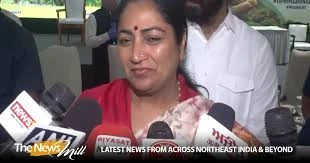
18-SEP-2025, 12:00 PM Delhi Chief Minister Rekha Gupta expressed heartfelt gratitude and admiration as she celebrated the remarkable contribution of diplomats who participated in the ongoing ‘Ek Ped Maa Ke Naam’ plantation drive. Calling it a “shower of love,” Rekha Gupta highlighted how the initiative has gone beyond being just a tree plantation movement and has emerged as a people’s campaign with global resonance. The Chief Minister praised the involvement of international dignitaries, remarking that their participation underscored a strong bond between nations on shared concerns like climate change, sustainability, and environmental protection.
Rekha Gupta on the Significance of the Drive
In her address, Rekha Gupta emphasized that ‘Ek Ped Maa Ke Naam’ is more than an environmental campaign — it is a movement that links emotional responsibility with ecological duty. By planting trees in the name of mothers, the campaign not only honors motherhood but also instills a deep sense of personal connection to nature.
According to Rekha Gupta, this emotional attachment ensures that the campaign becomes sustainable in the long term. Citizens feel a sense of belonging to the saplings they plant, making them guardians of the trees’ growth and preservation.
Diplomats’ Role in Strengthening the Movement
One of the key highlights of the event was the enthusiastic participation of foreign diplomats. Many international representatives joined local communities and schoolchildren in planting saplings across Delhi. Their presence, as noted by Rekha Gupta, reflected India’s growing soft power and ability to unite global voices on pressing issues like environmental conservation.
“Diplomats have added a new dimension to this drive,” said Rekha Gupta. “When they plant trees alongside citizens of Delhi, they are sending a strong message of unity, shared responsibility, and collective action.”
Rekha Gupta Applauds ‘Shower of Love’ from Citizens
During her remarks, Rekha Gupta described the overwhelming citizen participation as a “shower of love.” Thousands of residents, including students, NGOs, and civic bodies, have come together to support the campaign. The CM noted that such community-driven movements reflect the power of collective action and show how people can rally behind meaningful causes when emotionally connected.
She also applauded women and youth for playing a leading role, underlining that their enthusiasm has made the campaign a grassroots success.
Global Relevance of the Campaign
Under the leadership of Rekha Gupta, the ‘Ek Ped Maa Ke Naam’ initiative has gained recognition beyond Delhi. Environmentalists and international organisations have praised its innovative approach of combining emotional narratives with ecological goals.
The participation of diplomats has now placed the campaign on the global map, drawing attention to India’s unique way of tackling climate change. “When the world sees India connect environment to motherhood, it resonates with universal values,” Rekha Gupta observed.
Rekha Gupta’s Vision for a Greener Delhi
Since assuming office, Rekha Gupta has prioritized environmental sustainability as one of her core governance agendas. From expanding green belts to promoting renewable energy, her administration has worked to balance urban growth with ecological well-being.
With the plantation drive, Rekha Gupta envisions a future where Delhi evolves into a city of green corridors, clean air, and active citizen participation in environmental protection. She reiterated her government’s commitment to making Delhi a model of urban sustainability for the rest of India.
Citizens’ Voices: Inspired by Rekha Gupta
Participants at the plantation drive echoed sentiments of pride and inspiration. Many citizens expressed gratitude towards Rekha Gupta for championing such an initiative. School students shared how the campaign made them realise their role as future custodians of the environment.
For families, planting trees in the name of their mothers brought emotional satisfaction, blending love, respect, and ecological responsibility. This approach, as several citizens pointed out, would not have been possible without Rekha Gupta’s innovative vision.
Rekha Gupta and the Cultural Link of the Campaign
In addition to its ecological importance, Rekha highlighted the cultural value of the campaign. By linking trees to mothers, it draws from India’s deep-rooted traditions that equate nature with motherhood and nurture.
This cultural connection, she said, ensures that the campaign is not seen as an administrative activity but as a moral and emotional responsibility shared by all citizens.
Future Roadmap of the Initiative
Looking ahead, Rekha Gupta announced that the ‘Ek Ped Maa Ke Naam’ drive will be expanded across Delhi in phases. Plans are underway to create green hubs in schools, colleges, parks, and residential areas. Technology will also be used to monitor the survival of planted saplings, ensuring accountability and continuity.
She stressed that the involvement of diplomats has opened doors for potential collaborations with international environmental agencies and NGOs, which could bring additional resources and recognition to the campaign.
Environmental Impact and Community Participation
Focus on Tree Survival
The success of the plantation drive will ultimately depend not only on the number of saplings planted but also on their long-term survival. Rekha Gupta emphasized the importance of regular maintenance, adequate watering, protection from damage, and monitoring of young trees. Ensuring that planted saplings grow into healthy trees can significantly increase the environmental benefits of the campaign.
Local authorities, schools, resident welfare associations, and community organisations can play an important role in taking responsibility for planted areas. Regular inspections and digital monitoring can help identify saplings that require additional care or replacement.
Creating Greener Public Spaces
The campaign can also contribute to improving Delhi’s urban environment by increasing green spaces in areas that experience heavy construction and population pressure. Planting trees along roads, around schools, in parks, and near public institutions can help create more pleasant surroundings for residents.
Green spaces can provide shade, support biodiversity, and contribute to healthier urban ecosystems. With careful planning, plantation activities can also help create connected green corridors that benefit both people and wildlife.
Encouraging Young Environmental Guardians
The participation of students provides another important opportunity to build long-term environmental awareness. Schools can encourage children to monitor the growth of saplings, learn about native tree species, and understand the importance of protecting natural resources.
By involving young people in environmental activities, the campaign can develop habits that continue beyond the plantation event itself. Students can also encourage their families and communities to adopt more sustainable practices in their daily lives.
Building a Lasting Public Movement
The involvement of diplomats, citizens, students, NGOs, and civic organisations gives the campaign a broad community character. Rekha Gupta’s emphasis on collective participation reflects the idea that environmental protection cannot depend entirely on government agencies.
If citizens continue caring for the trees they plant, the initiative can develop into a lasting environmental movement. The combination of community participation, technology, public awareness, and administrative support could help Delhi strengthen its green cover while encouraging a deeper sense of responsibility toward nature.
Source: ANI