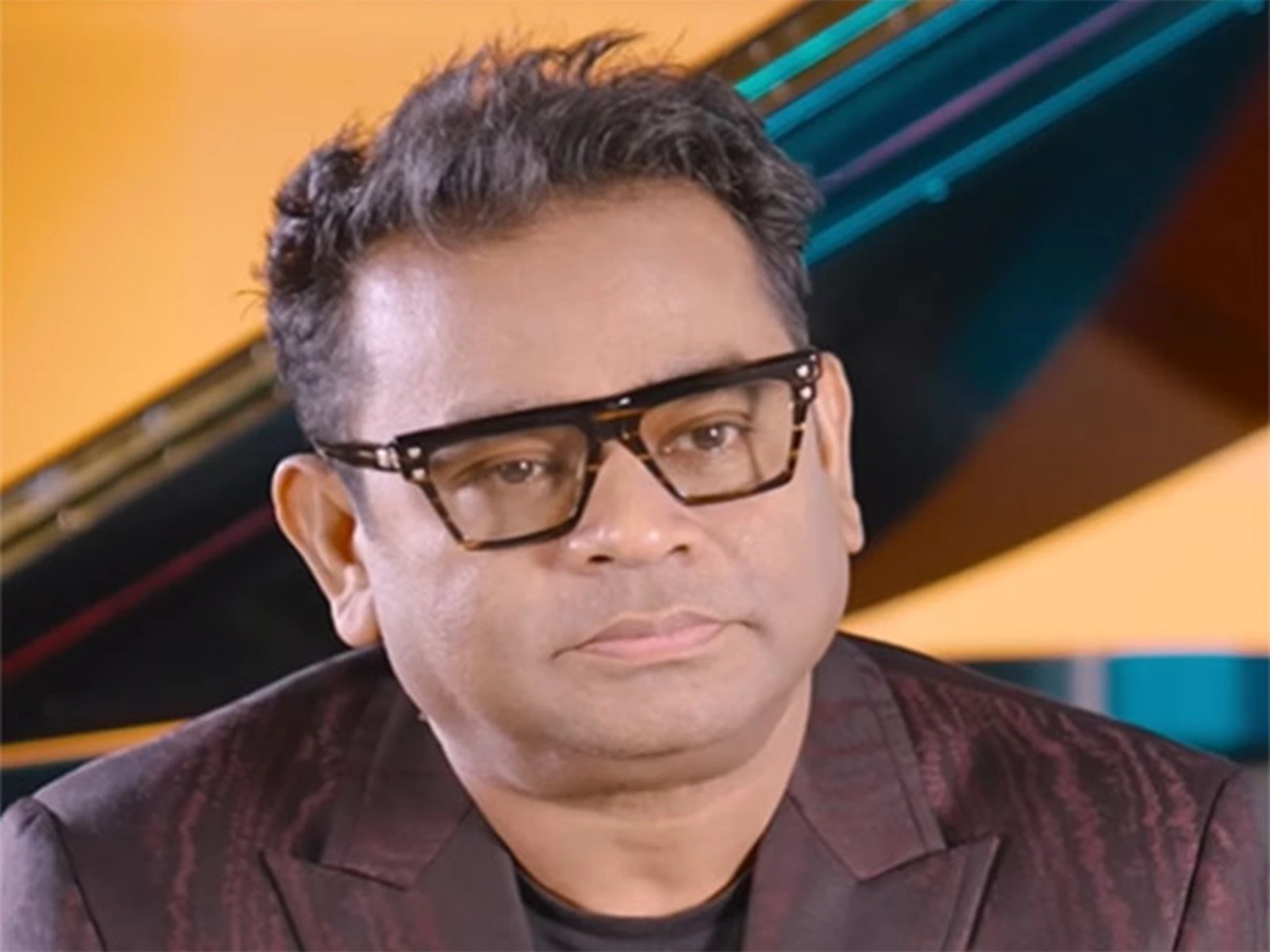
24-SEP-2025, 12:00 PM AR Rahman in a copyright case concerning the song “Veera Raja Veera”. The decision marks a crucial moment in the ongoing debate over intellectual property rights in India’s music industry. Known globally for his pioneering compositions and Academy Award-winning works, AR Rahman now finds himself at the centre of a legal storm that has attracted widespread public and industry attention.
AR Rahman and the Copyright Dispute
AR Rahman : Background of the Case
The dispute revolves around “Veera Raja Veera”, a song featured in filmmaker Mani Ratnam’s acclaimed movie Ponniyin Selvan. The initial injunction against AR Rahman was sought by parties claiming that the composition bore similarities to an older work, thus raising issues of copyright infringement. The injunction had temporarily restricted the composer and associated production houses from freely using the track.
AR Rahman: Delhi High Court’s Intervention
By setting aside the injunction, the Delhi High Court has provided relief to AR Rahman and the filmmakers. The court emphasised that interim orders must not unduly interfere with artistic expression without conclusive evidence of infringement. This decision underscores the judiciary’s recognition of creative freedom and the complexity of copyright disputes in the entertainment industry.
The Legacy of AR Rahman in Indian Music
An Icon of Innovation
AR Rahman has been celebrated worldwide for blending Indian classical music with global influences, creating a unique soundscape that has transcended borders. With a career spanning over three decades, Rahman has given the industry iconic songs like “Jai Ho”, “Vande Mataram”, and “Roja”. His stature in the industry makes this case especially significant, as it brings attention to the fragile balance between creativity and copyright law.
Why This Case Matters for Rahman
For AR Rahman, this legal battle is not just about one song—it is about safeguarding the rights of creators and ensuring that artistic expression is not curtailed by unfounded claims. Given his influence in shaping India’s musical identity, the case has broader implications for musicians, lyricists, and composers across the country.
Legal Analysis of the Delhi HC’s Order
The Principle of Balance
The High Court’s decision reflects the principle of maintaining a balance between protecting intellectual property rights and avoiding stifling creativity. While copyright law exists to safeguard originality, the court highlighted that it cannot be misused to block artistic works without substantial grounds.
Precedents in Copyright Cases
Legal experts note that this case could serve as a precedent for future disputes involving renowned artists like AR Rahman. Courts in India have often struggled with balancing the interests of copyright holders with those of creators accused of infringement. This ruling may encourage a more cautious approach in granting injunctions in artistic matters.
AR Rahman’s Commitment to Originality
Addressing Allegations
Throughout his career, AR Rahman has been praised for his originality and ability to innovate. Industry insiders argue that the similarities between “Veera Raja Veera” and the allegedly infringed composition are minimal and coincidental, reflecting the broader cultural influences in Indian music rather than deliberate copying.
Upholding Artistic Integrity
Rahman’s supporters believe that cases like these threaten the morale of artists who work tirelessly to create original music. By clearing the injunction, the High Court has reaffirmed the principle that artists should not be penalised based on speculative or weak claims.
Industry Reactions to the Verdict
Relief Among Artists and Producers
The ruling has been welcomed by musicians, filmmakers, and producers who view it as a victory for creative freedom. Many industry figures have expressed relief that AR Rahman can continue to share his work without undue restrictions.
Public Sentiment
Fans of AR Rahman have also reacted strongly, celebrating the verdict on social media. Many believe that Rahman’s contribution to Indian and world music makes him an easy target for frivolous legal challenges, and this decision is a vindication of his integrity.
Copyright Challenges in India’s Music Industry
Growing Legal Disputes
The case highlights a growing trend of copyright disputes in India’s booming entertainment sector. As digital platforms expand the reach of music, accusations of plagiarism and copyright infringement have become more frequent.
The Need for Clearer Guidelines
Industry experts argue that the government and judiciary must establish clearer frameworks for resolving disputes. A fair, transparent process would protect both the rights of original creators and the freedom of artists like AR Rahman to experiment and innovate.
Broader Impact on Music Creators
Protecting Creative Freedom
The legal development involving AR Rahman highlights the challenges faced by composers and musicians when creative works become the subject of copyright disputes. Music often draws from established traditions, rhythms, instruments, arrangements, and cultural influences, making it important to carefully distinguish genuine infringement from similarities that may arise naturally during the creative process.
For artists, an unexpected legal dispute can create uncertainty around the release, promotion, and commercial use of a song. Even when a claim is eventually rejected, prolonged litigation can involve considerable time, resources, and professional stress. A balanced legal framework can therefore help ensure that genuine copyright holders receive protection without unnecessarily restricting new creative works.
Importance of Original Documentation
The case also underlines the importance of maintaining proper documentation during the music-production process. Composers, producers, studios, and production companies can benefit from maintaining records relating to composition, recording sessions, contracts, permissions, and creative contributions.
Such documentation can become valuable when questions arise regarding ownership or originality. Clear agreements between composers, lyricists, singers, producers, and filmmakers can also reduce confusion over intellectual property rights.
Digital Platforms and Copyright
The rapid growth of streaming services and social media has made copyright protection even more important. A song can now reach millions of listeners within a short period, increasing both its commercial value and the potential consequences of an infringement dispute.
Digital platforms also use automated systems to identify potentially copyrighted material. While these systems can help rights holders protect their work, automated identification may sometimes flag material that requires further human and legal evaluation.
A Lesson for the Industry
The AR Rahman case demonstrates why copyright disputes involving music require careful examination of evidence, originality, ownership, and the actual degree of similarity between works. The broader objective should be to create an environment where creators can protect their intellectual property while also allowing musicians to experiment with new sounds and artistic ideas.
For India’s growing entertainment industry, maintaining this balance will be essential as music production becomes increasingly global, digital, and collaborative.
Source: ANI