
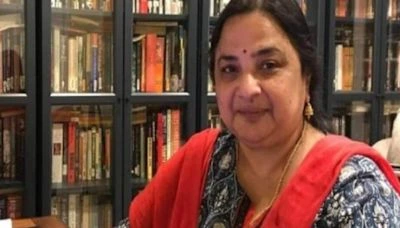
21-Feb-2026, 1:15 PM: A controversy has erupted at Jawaharlal Nehru University (JNU) after the university’s students’ union demanded the resignation of Vice-Chancellor Shantisree Dhulipudi Pandit over remarks made during a recent podcast discussion.
The Jawaharlal Nehru University Students’ Union (JNUSU) accused the Vice-Chancellor of making what it described as “blatantly casteist statements” while discussing the University Grants Commission (UGC) regulations and issues surrounding caste discrimination and affirmative action.
Pandit has rejected the allegations and said that her comments were taken out of context.
The controversy has triggered a fresh debate on caste equity, affirmative action, and the role of universities in addressing discrimination.
What Did the JNU Students’ Union Say?
JNUSU issued a statement on February 20 condemning the remarks attributed to the vice-chancellor.
The students’ body said it was shocked by what it described as casteist comments made during a podcast released on February 16.
The union particularly objected to remarks concerning UGC regulations and references to Dalits and affirmative action.
JNUSU alleged that the comments reflected a dismissive attitude towards historical caste discrimination and demanded that Pandit step down from her position as Vice-Chancellor.
The students’ union also appealed to student organizations and unions across the country to support a protest day on February 21.
What Were the Controversial Remarks?
The controversy centres on comments made by Pandit while discussing the UGC’s equity regulations and affirmative action.
According to reports, the vice chancellor questioned the need for certain UGC regulations and spoke about the idea of communities remaining in a state of “permanent victimhood.”
She also compared affirmative action measures in the United States with provisions for Dalits in India.
JNUSU interpreted these remarks as dismissive of caste-based discrimination.
However, it is important to distinguish between the students’ interpretation of the comments and the vice-chancellor’s own explanation.
Vice-Chancellor Denies the Allegations
Pandit has denied that she intended to make casteist remarks.
In her response, she said her comments had been misinterpreted and that portions of the podcast circulating publicly had been taken out of context.
She also said she herself comes from an OBC background while explaining her position on the issue.
Pandit further argued that the discussion should be considered in the context of the full podcast rather than isolated excerpts.
Her response has therefore added another dimension to the controversy, with the students’ union demanding action while the vice-chancellor maintains that her remarks have been misunderstood.
Why Are UGC Equity Regulations Part of the Dispute?
The podcast discussion also touched on the UGC Equity Regulations, 2026, which address discrimination and promote equity in higher educational institutions.
The regulations are intended to provide a framework for addressing discrimination, including caste-based exclusion, within educational institutions.
The issue has become politically and socially sensitive because questions surrounding caste discrimination, reservations, and affirmative action remain major subjects of debate in India’s higher education system.
JNUSU believes the vice-chancellor’s remarks were inappropriate in this context.
Pandit’s position, however, is that her comments were taken out of context.
JNUSU Demands Resignation
The students’ union has called for Pandit’s resignation as vice-chancellor.
In its statement, JNUSU argued that the comments were inconsistent with the responsibilities of the head of a major public university.
The union also called upon student organisations across India to observe a national protest day on February 21.
The demand for resignation comes amid wider disagreements between sections of the JNU student community and the university administration.
The current controversy has therefore added to an already tense campus environment.
Why the Controversy Matters
The dispute has brought renewed attention to the role of universities in addressing caste discrimination.
JNU is one of India’s prominent central universities and has historically been a major centre for political and social debate.
Questions about representation, affirmative action and discrimination can have a significant impact on students from marginalized communities.
At the same time, university administrators are responsible for maintaining academic standards and institutional functioning.
The controversy therefore involves both the substance of the remarks and the wider question of how university leaders discuss sensitive social issues.
The Importance of Context
One of the central disagreements in the controversy is whether the remarks should be understood from selected excerpts or from the full podcast.
JNUSU has highlighted specific statements that it considers objectionable.
Pandit, on the other hand, has argued that the remarks were taken out of context and did not carry the meaning attributed to them.
For readers, this distinction is important.
A news report should clearly identify which statements are allegations or interpretations and which statements are the speaker’s own explanation.
This is particularly important in a controversy involving allegations of caste discrimination.
Protests Expected on Campus
JNUSU called for a national protest day on February 21 in response to the controversy.
The union urged students and organizations to express opposition to what it described as casteist remarks and to support its demand for the vice-chancellor’s resignation.
The development has the potential to further intensify discussions on campus.
Any subsequent protests, administrative decisions, or statements from the university authorities could determine how the dispute develops.
A Wider Debate on Caste and Higher Education
The controversy comes at a time when caste representation and discrimination remain important issues in Indian higher education.
Students and activists have repeatedly called for stronger institutional mechanisms to address discrimination.
The UGC’s equity regulations have also become part of this broader debate.
Supporters argue that stronger regulations can provide students with additional safeguards.
Critics may raise concerns about implementation, institutional autonomy, or the way such regulations are applied.
The JNU controversy has brought these questions into public discussion once again.
What Happens Next?
The immediate focus is on whether the JNU administration will respond formally to the students’ demand for resignation.
The students’ union is also expected to continue raising the issue through protests and other campus activities.
For now, Pandit remains the vice-chancellor and has rejected the allegation that her comments were casteist.
Further developments could depend on statements from the university administration, the students’ union, and other stakeholders.
Any official inquiry or institutional response would provide additional information about the controversy.
Conclusion
The JNU controversy began after students’ groups criticized remarks made by Vice-Chancellor Shantisree Dhulipudi Pandit during a podcast discussing UGC regulations, caste equity, and affirmative action.
JNUSU described the remarks as casteist and demanded her resignation, while Pandit denied the allegation and said her comments had been misunderstood or taken out of context.
The dispute has now developed into a wider debate about caste discrimination, affirmative action, and the responsibilities of university leadership.
As the students’ union continues its campaign, the university administration’s response will be closely watched.
For now, the allegations and the vice-chancellor’s response should be reported separately, with neither side’s interpretation presented as an established fact unless supported by an official finding.
Sources: ABP Live, The Tribune, ANI reports, and other reporting on the JNU controversy.


2 thoughts on “JNU VC Row: Students’ Union Seeks Resignation Over Podcast Remarks”