24-FEB-2026, 1:40 PM, Prime Minister Narendra Modi is scheduled to visit Israel on February 25-26, 2026, at the invitation of Israeli Prime Minister Benjamin Netanyahu.
The two-day State visit is expected to focus on strengthening the India-Israel strategic partnership, with discussions planned across areas including defence and security, science and technology, innovation, agriculture, water management, trade, and investment.
During the visit, Modi is also scheduled to meet Israeli President Isaac Herzog and address the Israeli Parliament, the Knesset. The visit comes as India and Israel continue to expand cooperation across several strategic and economic sectors.
Modi’s Second Visit to Israel
According to the Government of India, this will be Modi’s second visit to Israel.
His first visit took place in July 2017, when he became the first Indian prime minister to make a standalone visit to Israel.
The upcoming visit is being presented by the Indian government as an opportunity to review the progress made in the India-Israel Strategic Partnership and identify new areas for cooperation.
The two governments are expected to discuss both bilateral issues and regional and global developments of mutual interest.
Modi to Address the Knesset
One of the major highlights of the visit is Modi’s planned address to the Knesset, Israel’s parliament.
The Indian government said the prime minister would become the first Indian prime minister to address the Israeli parliament.
The address is expected to highlight the close relationship between the two countries and their growing cooperation in areas such as technology, defense, innovation, and security.
The Knesset had also announced preparations for a special plenary sitting in Modi’s honour.
Why the Knesset Address Matters
An address to a foreign parliament is generally considered an important diplomatic gesture.
For India and Israel, the occasion is expected to highlight the political and strategic relationship that has developed significantly since the two countries established full diplomatic relations in 1992.
The Knesset visit also provides an opportunity for Israeli political leaders to publicly underline the importance they attach to relations with India.
Meeting With Benjamin Netanyahu
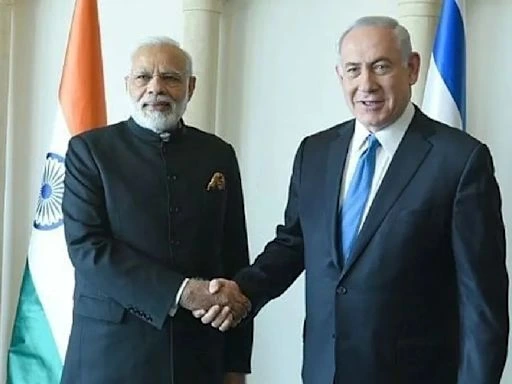
Modi is scheduled to hold talks with Israeli Prime Minister Benjamin Netanyahu during the visit.
According to the Government of India, the two leaders are expected to review progress in the India-Israel Strategic Partnership and discuss opportunities for expanding cooperation.
The agenda includes:
- Science and technology
- Innovation
- Defense and security
- Agriculture
- Water management
- Trade and economy
- People-to-people exchanges
The leaders are also expected to exchange views on regional and global developments.
Defence and Security Cooperation
Defense and security are expected to remain important parts of the discussions.
India and Israel have developed extensive defense cooperation over several decades, including cooperation involving military equipment, technology, and security systems.
The two countries also share concerns regarding terrorism and regional security.
In his planned visit statement, Modi said discussions with Netanyahu would cover defence and security along with other areas of the strategic partnership.
The visit therefore provides an opportunity for both sides to assess existing cooperation and explore future areas of collaboration.
Technology and Innovation
Technology and innovation are another major component of the India-Israel relationship.
Both countries have developed cooperation in areas including research, startups, artificial intelligence, agricultural technology, and other emerging technologies.
The upcoming discussions are expected to examine how cooperation in science and innovation can be expanded.
For India, Israel’s technology ecosystem offers opportunities for collaboration in specialised areas, while Indian companies and researchers provide a large potential partner base.
The two countries have also increasingly focused on technology as part of their wider strategic relationship.
Agriculture and Water Management
Agriculture and water management are also included in the official agenda for the visit.
Israel has developed expertise in areas such as water conservation, irrigation, and agricultural technology, while India faces significant challenges related to water management and agricultural productivity.
Cooperation in these areas could therefore have practical benefits for both countries.
The two governments are expected to examine opportunities to expand existing partnerships and develop new projects.
Trade and Investment
Trade and investment will also be part of Modi’s discussions in Israel.
The two countries have sought to expand commercial ties beyond traditional areas of cooperation.
Technology, innovation, defence-related industries, agriculture, and other sectors offer potential opportunities for increased business engagement.
Greater cooperation in trade and investment could also support the broader strategic relationship between the two countries.
Meeting With Israeli President Isaac Herzog
Apart from meeting Netanyahu, Modi is scheduled to call on Israeli President Isaac Herzog.
The meeting is expected to provide an opportunity to discuss the broader relationship between India and Israel and developments in the region.
The Government of India said Modi’s visit would reaffirm the long-standing strategic partnership between the two countries.
Regional and Global Issues
The visit is taking place against a complex regional and international backdrop.
According to the official announcement, Modi and Israeli leaders are expected to exchange perspectives on regional and global issues of mutual interest.
The discussions could therefore extend beyond bilateral cooperation and include broader questions related to regional stability and security.
However, because the official announcement did not specify every issue that would be discussed, individual topics should not be presented as confirmed agenda items unless officially announced.
India-Israel Strategic Partnership
India and Israel have steadily expanded their relationship since establishing diplomatic ties in 1992.
The partnership today covers several areas, including defence, agriculture, technology, innovation, water management, trade, and security.
The Indian government has described the relationship as a deep and long-standing strategic partnership.
The February 2026 visit is intended to review this progress and identify additional areas where the two countries can work together.
What to Expect From the Visit
The key events scheduled during Modi’s visit include:
February 25:
Modi begins his state visit to Israel and is scheduled to participate in official engagements.
February 25-26:
Meetings with Israeli leadership and discussions on bilateral and regional issues.
Knesset address:
Modi is scheduled to address Israel’s Parliament, marking a significant parliamentary engagement between the two countries.
Meeting with President Herzog:
The prime minister is also scheduled to meet Israel’s president during the visit.
The visit is expected to conclude on February 26.
Conclusion
Prime Minister Narendra Modi’s February 25-26 state visit to Israel is expected to focus on strengthening India’s strategic partnership with the country.
The discussions with Benjamin Netanyahu and Isaac Herzog are expected to cover defense and security, science and technology, innovation, agriculture, water management, trade, investment, and people-to-people relations.
One of the major highlights is Modi’s planned address to the Knesset. The Government of India said he would become the first Indian Prime Minister to address the Israeli Parliament, making the event an important part of the visit.
The visit also provides an opportunity for both countries to review their existing cooperation and identify new areas for collaboration.
As India and Israel continue to deepen their strategic relationship, the outcome of the meetings could help shape cooperation in technology, defence, trade, and other sectors in the years ahead.
Sources: Government of India, Prime Minister’s Office, and Knesset of Israel.