Mar 9, 2026, Silver Price in India Trades Around ₹3,086 per 10 Grams Amid Market Fluctuations
Factors Affecting Daily Silver Rates
Silver prices can change frequently as international markets respond to new economic developments. Domestic rates may also vary between cities because of local taxes, transportation costs, dealer margins, and differences in demand.
For consumers, this means that the price displayed on one day may not remain the same the following day. Buyers should therefore check the latest rate before making a purchase, particularly when buying larger quantities of silver.
Silver and the Industrial Sector
Unlike gold, silver has a particularly important industrial role. The metal is used in electronics, electrical components, manufacturing, and renewable energy applications.
Its use in solar technology has attracted considerable attention as renewable energy production expands. Growing demand from industrial sectors can therefore influence the overall silver market. At the same time, changes in manufacturing activity can affect demand and contribute to price fluctuations.
This industrial connection means silver prices can respond not only to investor sentiment but also to developments in the global economy and manufacturing sector.
Silver Compared With Gold
Silver and gold are both considered precious metals, but they have different characteristics. Gold is more closely associated with jewellery and wealth preservation, while silver has a broader connection with industrial applications.
Silver is also generally available at a lower price than gold, making it accessible to buyers with smaller investment budgets. However, silver prices can experience significant movements, meaning investors should consider market conditions before making decisions.
For households interested in precious metals, understanding these differences can help them choose an option according to their individual financial goals.
Physical Silver Buying
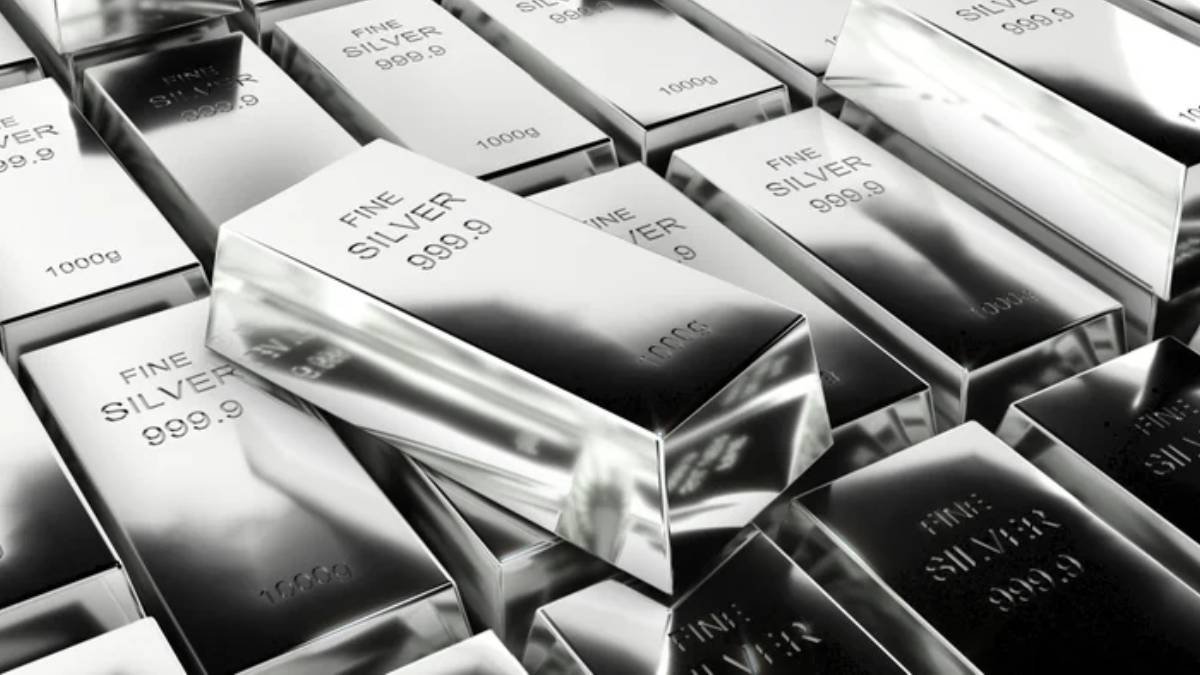
Consumers purchasing physical silver should consider factors beyond the quoted market rate. The final price can depend on the purity, weight, making or manufacturing charges, taxes, and the form of silver being purchased.
Coins and bars may have different premiums depending on the seller and product. Buyers should also check purity markings and request a proper invoice for their purchase.
Comparing rates from multiple established sellers can help consumers understand the overall cost before completing a transaction.
Silver Price Volatility
Silver can experience periods of rapid price movement because it is influenced by both investment demand and industrial consumption. Changes in global interest rates, currency movements, economic expectations, and market sentiment can all affect trading activity.
Investors should therefore avoid making decisions based solely on short-term price movements. Monitoring broader market conditions can provide a better understanding of why silver rates are changing.
What Buyers Should Watch
Those tracking silver prices in India should keep an eye on international silver rates, the Indian rupee against the U.S. dollar, industrial demand, and broader precious metal trends.
Domestic festive and wedding demand can also influence buying activity. By following these factors and checking updated local prices, consumers can make more informed purchasing decisions.
The combination of investment interest and industrial use means silver is likely to remain an important part of India’s precious metals market. Its affordability and wide range of applications continue to attract attention from both consumers and investors.
Silver prices in India are currently trading near ₹3,086 per 10 grams, reflecting ongoing fluctuations in the global precious metals market. The movement in prices comes as investors closely monitor international economic trends, currency changes, and demand for safe-haven assets.
Silver, widely used both as an investment and in industrial applications, often experiences price changes influenced by global economic conditions.
Why Silver Prices Are Fluctuating
Several factors influence the price of silver in India and worldwide. One of the main drivers is global demand for precious metals during periods of economic uncertainty. Investors often turn to silver and gold as safe-haven assets when markets become volatile.
Additionally, the value of the Indian rupee against the U.S. dollar can affect domestic prices. Since precious metals are traded internationally in dollars, currency changes directly impact their cost in India.
Industrial demand also plays a significant role. Silver is used in sectors such as electronics, renewable energy, and manufacturing, which can drive price changes based on production activity.
Impact of Global Markets
Global commodity markets heavily influence silver prices in India. When international silver prices rise, domestic prices typically increase as well.
Economic indicators such as inflation rates, interest rate decisions, and geopolitical tensions can all impact precious metal markets.
For example, uncertainty in financial markets often encourages investors to diversify their portfolios with commodities like silver.
Silver as an Investment Option
Silver remains a popular investment option for many Indian households. Compared to gold, silver is generally more affordable, making it accessible to a larger group of investors.
Investors typically purchase silver in different forms, including
Silver coins
Silver bars
Jewellery and ornaments
Exchange-traded funds (ETFs)
Because of its dual role as both an industrial metal and an investment asset, silver can offer diversification benefits for investors.
Demand in India
India is one of the largest consumers of silver globally. Demand increases significantly during festive seasons and wedding periods when precious metals are traditionally purchased as gifts and investments.
Industrial demand within the country is also rising due to the expansion of electronics manufacturing and renewable energy sectors, where silver plays a key role in solar panel production.
These factors contribute to regular fluctuations in domestic prices.
Market Outlook
Experts believe silver prices may continue to experience volatility in the near term due to global economic uncertainties. However, long-term demand for silver remains strong due to its growing role in modern technologies and renewable energy solutions.
Market analysts recommend that investors keep track of global commodity trends, currency movements, and domestic demand patterns before making investment decisions.
Factors Affecting Daily Silver Rates
Silver prices can change frequently as international markets respond to new economic developments. Domestic rates may also vary between cities because of local taxes, transportation costs, dealer margins, and differences in demand.
For consumers, this means that the price displayed on one day may not remain the same the following day. Buyers should therefore check the latest rate before making a purchase, particularly when buying larger quantities of silver.
Silver and the Industrial Sector
Unlike gold, silver has a particularly important industrial role. The metal is used in electronics, electrical components, manufacturing, and renewable energy applications.
Its use in solar technology has attracted considerable attention as renewable energy production expands. Growing demand from industrial sectors can therefore influence the overall silver market. At the same time, changes in manufacturing activity can affect demand and contribute to price fluctuations.
This industrial connection means silver prices can respond not only to investor sentiment but also to developments in the global economy and manufacturing sector.
Silver Compared With Gold
Silver and gold are both considered precious metals, but they have different characteristics. Gold is more closely associated with jewellery and wealth preservation, while silver has a broader connection with industrial applications.
Silver is also generally available at a lower price than gold, making it accessible to buyers with smaller investment budgets. However, silver prices can experience significant movements, meaning investors should consider market conditions before making decisions.
For households interested in precious metals, understanding these differences can help them choose an option according to their individual financial goals.
Physical Silver Buying
Consumers purchasing physical silver should consider factors beyond the quoted market rate. The final price can depend on the purity, weight, making or manufacturing charges, taxes, and the form of silver being purchased.
Coins and bars may have different premiums depending on the seller and product. Buyers should also check purity markings and request a proper invoice for their purchase.
Comparing rates from multiple established sellers can help consumers understand the overall cost before completing a transaction.
Silver Price Volatility
Silver can experience periods of rapid price movement because it is influenced by both investment demand and industrial consumption. Changes in global interest rates, currency movements, economic expectations, and market sentiment can all affect trading activity.
Investors should therefore avoid making decisions based solely on short-term price movements. Monitoring broader market conditions can provide a better understanding of why silver rates are changing.
What Buyers Should Watch
Those tracking silver prices in India should keep an eye on international silver rates, the Indian rupee against the U.S. dollar, industrial demand, and broader precious metal trends.
Domestic festive and wedding demand can also influence buying activity. By following these factors and checking updated local prices, consumers can make more informed purchasing decisions.
The combination of investment interest and industrial use means silver is likely to remain an important part of India’s precious metals market. Its affordability and wide range of applications continue to attract attention from both consumers and investors.
Conclusion
With silver trading around ₹3,086 per 10 grams in India, the precious metal continues to attract both investors and consumers. Market fluctuations driven by global economic trends, industrial demand, and currency movements are likely to influence future price movements.
For investors, silver remains an important asset that offers both affordability and diversification within the precious metals market.
SOURCE: ABP NEWS