
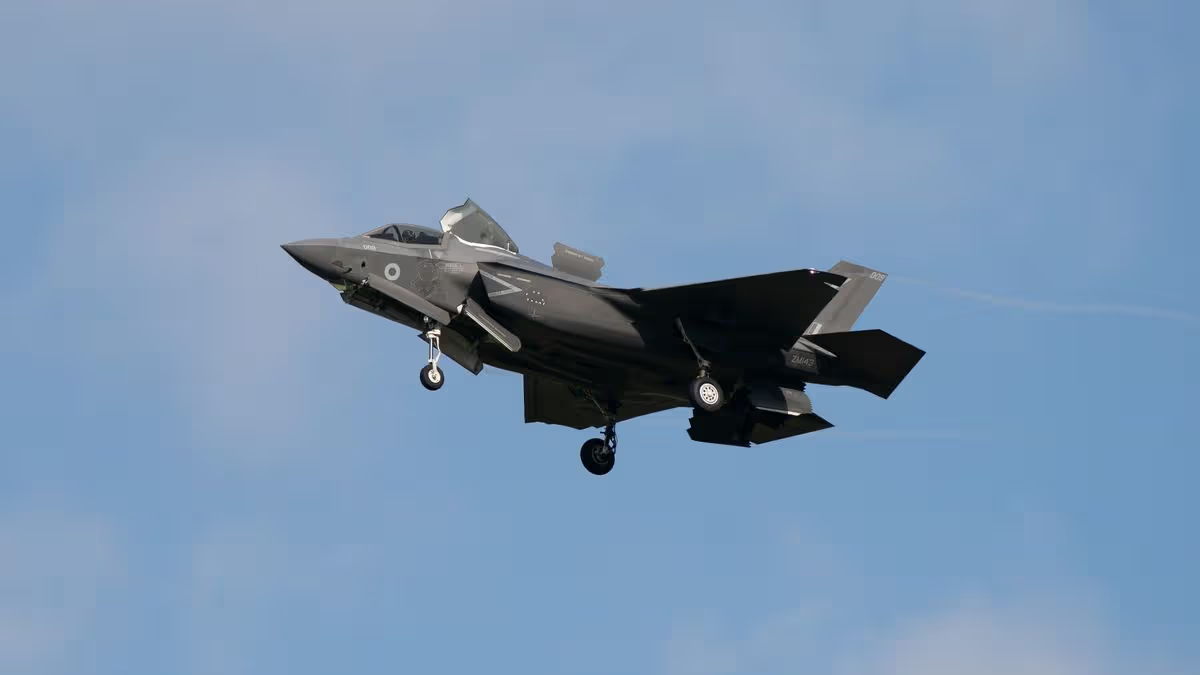
10-MAR-2026, 11:32 AM: The United Kingdom has announced the deployment of fighter jets to support and protect Gulf nations as tensions continue to rise in the Middle East. The move highlights growing international concern over security risks in the region and reflects Britain’s commitment to strengthening defence cooperation with its allies.
Officials stated that the deployment is aimed at ensuring regional stability and protecting key strategic interests in the Gulf.
Rising Tensions in the Middle East
In recent months, the Middle East has witnessed increasing geopolitical tensions involving several regional and global powers. Military activities, security threats, and political conflicts have raised concerns among international observers.
The decision by the United Kingdom to deploy fighter jets demonstrates the seriousness of the situation and the need for enhanced military preparedness.
Experts believe that the presence of British forces in the region could help deter potential threats and maintain stability.
Strategic Importance of the Gulf Region
The Persian Gulf is one of the most strategically important areas in the world. It serves as a major hub for global energy supplies and international trade routes.
Several countries in the region depend heavily on security partnerships with global powers to safeguard their borders and infrastructure.
By deploying fighter jets, the United Kingdom aims to strengthen its defence cooperation with Gulf partners and reassure allies about its support.
Role of the Royal Air Force
The fighter jets deployed for this mission are part of the Royal Air Force, which is responsible for protecting British interests and supporting allied operations abroad.
The RAF has extensive experience operating in the Middle East, having participated in numerous security and counter-terrorism missions in the region.
Military officials say the aircraft will conduct patrol missions, surveillance activities, and defensive operations if required.
Strengthening Military Alliances
Britain maintains strong defense partnerships with several Gulf nations. These partnerships involve joint military exercises, intelligence sharing, and defense technology cooperation.
The latest deployment is expected to reinforce these relationships and provide additional support to regional security forces.
Experts believe that such collaborations are essential for maintaining peace and preventing conflicts from escalating further.
Global Reactions
The move has drawn attention from governments and international organizations around the world. Some analysts view the deployment as a preventive measure designed to maintain stability and deter aggression.
Others emphasize that international cooperation is crucial in managing geopolitical tensions and ensuring that conflicts do not spread beyond the region.
Diplomatic channels remain active as countries continue discussions aimed at reducing tensions.
Impact on Global Security
The Middle East plays a crucial role in global geopolitics. Any instability in the region can have wide-ranging consequences for energy markets, international trade, and global security.
Military deployments by major powers often signal the seriousness of regional developments and the importance of maintaining a balance of power.
Britain’s decision to send fighter jets reflects the broader international effort to safeguard peace and stability in a strategically vital region.
Defensive Role of the Deployment
The deployment is expected to strengthen the defensive capabilities of Gulf nations at a time when regional security concerns remain high. Fighter aircraft can provide additional air surveillance and rapid response capabilities, allowing allied forces to monitor potential threats more effectively.
The presence of British aircraft may also provide reassurance to countries that have security partnerships with the United Kingdom. Such cooperation can help improve coordination between allied forces and strengthen preparedness for possible security challenges.
Monitoring Airspace and Strategic Areas
One of the key responsibilities of deployed fighter aircraft is expected to involve monitoring airspace around important locations. Surveillance and patrol missions can help military authorities identify potential threats and respond according to established defense procedures.
The Gulf region contains important energy infrastructure, transportation routes, and military facilities. Maintaining security around these strategic areas remains an important concern for regional governments and their international partners.
Importance of Intelligence Cooperation
Military deployments are often supported by intelligence-sharing arrangements between allied countries. Information gathered through surveillance and intelligence networks can help authorities understand emerging security risks and improve their preparedness.
The United Kingdom’s existing defense relationships with Gulf nations provide a framework for coordination. Sharing relevant information and maintaining communication between military authorities can contribute to a more coordinated response to potential threats.
Protecting Critical Infrastructure
The security of critical infrastructure is another important consideration in the Gulf region. Energy facilities, airports, ports, communication networks, and transportation systems are strategically important to regional economies.
Any disruption to these facilities could have consequences beyond individual countries. International partners therefore have an interest in supporting measures designed to protect important infrastructure and maintain the continued movement of goods and energy supplies.
Diplomatic Efforts Remain Important
While military preparedness can strengthen deterrence, diplomatic efforts remain essential for reducing tensions. Governments in the region and international partners continue to have an interest in preventing security incidents from developing into broader conflicts.
Maintaining communication channels can help reduce misunderstandings and provide opportunities for diplomatic solutions. The British deployment is therefore taking place alongside wider international attention toward regional stability and conflict prevention.
Possible Impact on Energy Markets
Developments in the Gulf can also influence international energy markets because the region plays a major role in global oil and gas supplies. Any prolonged disruption to regional security could create uncertainty for energy prices and international trade.
For this reason, governments and businesses outside the Middle East are closely watching developments. Maintaining secure trade routes and energy infrastructure remains important for the stability of global markets.
What Happens Next
The effectiveness and duration of the British deployment will depend on developments in the regional security environment. Authorities will continue assessing threats and determining whether additional defensive measures are necessary.
For Gulf nations and their international partners, the immediate priority remains protecting personnel, infrastructure, and airspace while avoiding further escalation. Continued military coordination, intelligence sharing, and diplomatic engagement could play an important role in maintaining regional stability.
Conclusion
The deployment of British fighter jets to protect Gulf nations highlights the growing concerns over security in the Middle East. As tensions continue to rise, international cooperation and military preparedness remain key factors in maintaining stability.
With the United Kingdom reinforcing its defence presence in the region, global attention remains focused on diplomatic efforts and security measures aimed at preventing further escalation.
SOURCE: ABPP LIVE


One thought on “Britain Sends Fighter Jets to Gulf Amid Rising Middle East Tensions”