
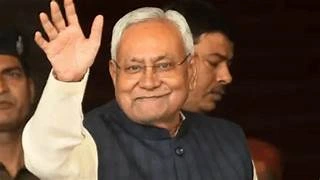
02-MAR-2026, 11:29 AM In a significant move aimed at strengthening grassroots development, the Government of India has announced a major infrastructure push to enhance rural connectivity across the country. The announcement, reported by The Hindu, signals a renewed focus on bridging the urban-rural divide and accelerating inclusive economic growth.
The new initiative is expected to improve road networks, digital infrastructure, transportation systems, and essential services in rural regions, ultimately driving employment, market access, and overall development.
Strengthening Rural India
Rural connectivity plays a crucial role in India’s development strategy. Over 60% of India’s population resides in rural areas, and improving access to infrastructure remains key to boosting livelihoods.
The government’s infrastructure push is expected to focus on:
Expansion of rural road networks
Enhanced broadband and digital connectivity
Upgraded transport facilities
Improved access to markets and services
By prioritizing rural connectivity, policymakers aim to stimulate local economies and reduce regional disparities.
Road Development as a Core Priority
One of the central pillars of the new infrastructure drive is the expansion and modernization of rural roads. Improved road connectivity allows:
Farmers to access larger markets
Faster transportation of goods
Better access to healthcare and education
Greater mobility for rural populations
Enhanced road infrastructure also supports small businesses by lowering transportation costs and expanding customer reach.
Boosting Digital Connectivity
Digital infrastructure is another major component of the initiative. With increasing reliance on digital services, rural broadband connectivity has become essential.
The government plans to strengthen:
High-speed internet networks
Digital service delivery
Online education access
Telemedicine facilities
Expanding digital connectivity can empower rural communities by integrating them into India’s fast-growing digital economy.
Economic Impact and Job Creation
Large-scale infrastructure development typically generates substantial employment opportunities. The rural connectivity push is expected to create:
Construction jobs
Skilled and semi-skilled labour opportunities
Indirect employment in allied sectors
Improved connectivity can also attract private investment in rural industries, agro-processing units, and small-scale enterprises.
Over time, this could significantly raise rural income levels and boost consumption.
Government’s Development Vision
The initiative aligns with the broader development agenda of the Government of India, which emphasizes infrastructure as a catalyst for economic growth.
Under the leadership of Narendra Modi, infrastructure expansion has remained a key policy priority. From highways and railways to digital corridors, connectivity has been central to the government’s economic strategy.
The latest rural-focused push reflects an effort to ensure that growth benefits reach every corner of the country.
Strengthening Agriculture and Supply Chains
Improved rural infrastructure directly impacts agriculture, which remains a backbone of the Indian economy.
Better connectivity can help:
Reduce post-harvest losses
Improve cold storage logistics
Enhance farm-to-market linkages
Support agri-tech adoption
Farmers often face challenges in transporting produce due to poor road conditions. Infrastructure upgrades can address these inefficiencies.
Social Benefits of Connectivity
Beyond economic growth, improved rural infrastructure has significant social benefits.
Enhanced connectivity enables:
Faster emergency medical access
Increased school attendance
Better delivery of welfare schemes
Greater social mobility
When villages are connected efficiently to towns and cities, overall quality of life improves.
Focus on Sustainability
The infrastructure push is also expected to integrate sustainable practices, including:
Eco-friendly construction techniques
Renewable energy integration
Climate-resilient road designs
Sustainable infrastructure ensures long-term durability and minimizes environmental impact.
Challenges Ahead
While the announcement has been widely welcomed, challenges remain in execution.
Key hurdles include:
Land acquisition complexities
Funding allocation
Timely project completion
Ensuring quality standards
Effective coordination between central and state governments will be critical to the success of the initiative.
Role of Public-Private Partnerships
The government may also encourage public-private partnerships (PPPs) to accelerate infrastructure development.
Private sector participation can:
Bring technological expertise
Improve efficiency
Enhance project management
Reduce financial burden on public funds
Collaboration between public and private entities could significantly speed up implementation.
Long-Term Vision for Rural India
The rural connectivity push reflects a long-term vision of transforming villages into growth engines rather than viewing them solely as agrarian centers.
Improved infrastructure can support:
Rural entrepreneurship
Digital startups
Tourism development
Local manufacturing
Bridging connectivity gaps may help reverse migration trends by creating opportunities closer to home.
Rural Connectivity and Future Growth
Connecting Villages With Growth Centres
Improved rural connectivity can help villages become more closely integrated with nearby towns, cities, and industrial centres. Better roads and transportation networks can reduce travel time and make it easier for residents to access employment, education, healthcare, and commercial opportunities.
For farmers, stronger connectivity can provide access to a wider range of buyers and markets. Instead of depending entirely on local traders, producers may be able to transport agricultural products to larger markets where demand and prices can be more favourable.
Supporting Rural Entrepreneurship
Better infrastructure can also encourage entrepreneurship in rural areas. Small businesses, food-processing units, handicraft enterprises, repair services, logistics companies, and local tourism ventures can benefit from improved transportation and digital access.
Reliable internet connectivity can further enable rural entrepreneurs to use e-commerce platforms, digital payments, online marketing, and government services. This can allow businesses operating in smaller villages to reach customers beyond their immediate geographical areas.
Improving Access to Essential Services
Connectivity is equally important for public services. Better roads can make it easier for ambulances, healthcare workers, teachers, and government officials to reach remote communities.
Digital infrastructure can complement physical connectivity by allowing residents to access online education, banking facilities, government documentation, and telemedicine services without always travelling long distances.
Creating More Balanced Development
A stronger rural infrastructure network could contribute to more balanced economic development across India. When villages have reliable roads, transportation, electricity, and internet access, the gap between rural and urban opportunities can gradually narrow.
The success of the initiative, however, will depend on effective implementation, regular maintenance, transparent monitoring, and coordination between different levels of government. Infrastructure must not only be constructed but also maintained to deliver benefits over the long term.
If these challenges are addressed effectively, improved rural connectivity could become an important foundation for stronger local economies, greater employment opportunities, and more inclusive national growth. It can help ensure that rural communities are active participants in India’s economic transformation rather than remaining disconnected from it.
Conclusion
The government’s announcement of a major infrastructure push for rural connectivity marks a significant step toward inclusive development. By strengthening roads, digital networks, and transportation systems, the initiative aims to unlock economic potential and improve living standards in rural India.
If implemented effectively, this move could reshape the rural landscape, enhance agricultural efficiency, and generate employment opportunities at scale.
As reported by The Hindu, the focus on rural infrastructure underscores a broader commitment to balanced growth—ensuring that progress reaches not just metropolitan centers but also the villages that form the foundation of the nation.




2 thoughts on “Government Announces Major Infrastructure Push to Boost Rural Connectivity”