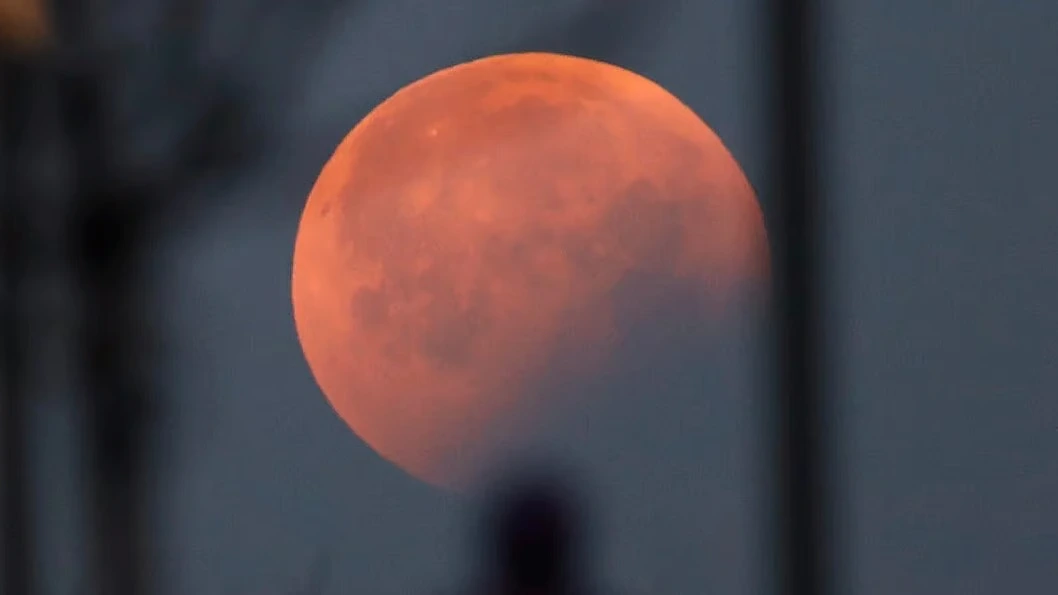
3-MAR-2026, 11:37 AM As India gears up for the year’s first lunar eclipse on 3 March, Sutak Kaal has officially begun across several regions, according to reports by ABP News. The commencement of Sutak Kaal marks an important religious period in Hindu tradition, observed before celestial events such as eclipses.
The announcement has led to temple closures, special prayers, and precautionary rituals in many parts of the country.
What is Sutak Kaal?
Sutak Kaal is considered an inauspicious period in Hindu belief that begins several hours before a solar or lunar eclipse. During this time:
Temples are generally closed.
Religious ceremonies are paused.
Devotees avoid cooking or eating food.
Spiritual practices like chanting and meditation are encouraged.
For a lunar eclipse, Sutak typically begins approximately 9 hours before the eclipse starts, though exact timings may vary based on regional calculations.
Temple Closures Across India
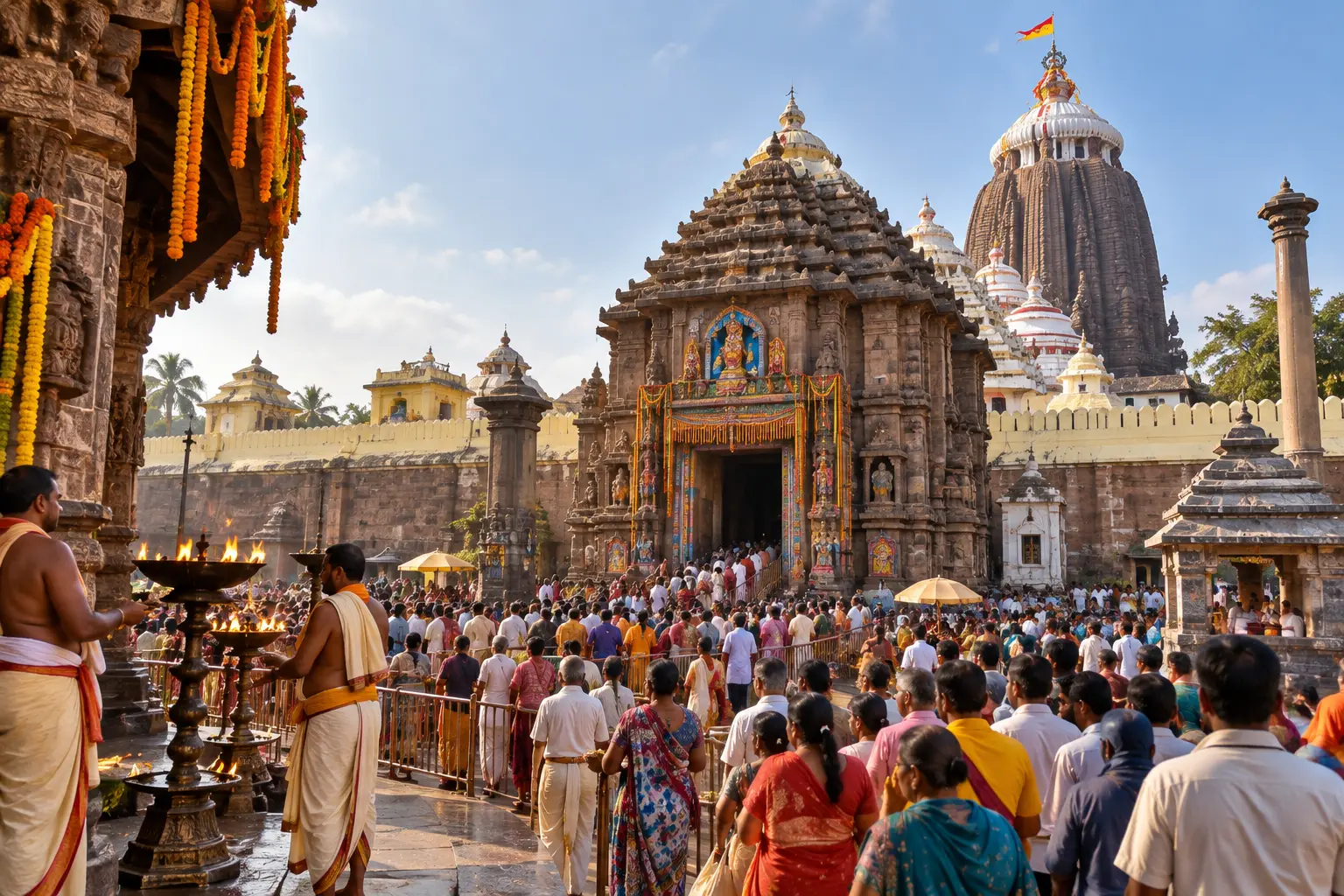
In preparation for the lunar eclipse, many prominent temples across India have temporarily shut their doors to devotees.
Priests perform purification rituals before reopening after the eclipse concludes. The closure is rooted in the belief that the eclipse period carries negative cosmic energy, making it unsuitable for routine worship.
After the eclipse ends, temples are cleaned, idols are bathed (abhishek), and fresh prayers are offered to restore sanctity.
Religious Significance of the Lunar Eclipse
In Hindu mythology, eclipses are associated with the story of Rahu and Ketu, celestial entities believed to cause solar and lunar eclipses.
Devotees observe the eclipse with:
Fasting (vrat)
Chanting of mantras
Reading of sacred texts
Donations and charity
Many believe that spiritual practices performed during an eclipse yield multiplied benefits.
Scientific Perspective
While the religious significance remains strong, astronomically, a lunar eclipse occurs when the Earth passes between the Sun and the Moon, casting a shadow on the Moon.
Unlike solar eclipses, lunar eclipses are safe to view with the naked eye. Scientists emphasize that the event is a natural celestial phenomenon and poses no physical harm.
The blend of science and tradition often creates a unique atmosphere in India during such events.
Eclipse Timings and Sutak Observance
Sutak Kaal is traditionally linked to the timing of a lunar eclipse and is generally observed for around nine hours before the eclipse. Exact timings can vary by location, so devotees often check local temple announcements and reliable news sources.
During this period, some people avoid cooking, eating, and performing regular religious ceremonies. Others use the time for chanting mantras, meditation, reading religious texts, and prayer.
Regional Customs
Sutak traditions can differ across India. Some families and temples follow the practices strictly, while others observe only selected customs. Temples may close their doors before the eclipse and conduct purification rituals before reopening.
These differences reflect the diversity of religious traditions across the country. In several communities, elders also guide younger family members about traditional practices and explain the cultural significance of observing the eclipse. Families may also discuss the traditional stories and beliefs associated with eclipses during this period.
Religious Practices During the Eclipse
Many devotees observe fasting and spend the eclipse period in prayer or meditation. Some also consider charity an important part of the observance and may donate food, clothes, or money.
However, these practices are based on religious traditions and personal beliefs rather than scientific requirements.
Importance of Reliable Information
As interest in the eclipse grows, people may encounter different timings and claims on social media. It is advisable to check information from reliable news organisations, astronomical sources, local authorities, and temple administrations.
Science explains the eclipse as a natural astronomical event, while religious traditions provide a cultural and spiritual way for devotees to observe it.
After the Eclipse
After the eclipse ends, many households following traditional customs clean their homes, take a bath, prepare fresh food, and resume regular prayers. Temples may perform abhishek and other purification rituals before reopening.
The 3 March lunar eclipse therefore brings together astronomy, tradition, and cultural practices. While science explains how the eclipse occurs, religious customs continue to influence how many people across India choose to observe the event.
Public Advisory and Precautions
Authorities and religious leaders have shared guidelines for citizens:
Avoid unnecessary travel during late-night eclipse hours if rituals are being observed.
Pregnant women are often advised by traditional belief to stay indoors, though there is no scientific basis for harm.
Devotees are encouraged to follow local temple timings.
People are reminded to rely on official eclipse timings to avoid confusion.
News outlets, including ABP News, have been broadcasting detailed schedules and explanations for viewers.
Social and Cultural Impact
Eclipses often bring families together for prayer and discussion. Television channels and digital platforms see increased engagement as people search for:
Exact eclipse timings
Sutak duration
Ritual guidelines
Dos and don’ts
Markets selling religious items such as incense sticks, holy water, and prayer materials also witness increased activity.
Economic and Daily Life Adjustments
While not a public holiday, the eclipse affects daily routines in subtle ways:
Some households avoid cooking fresh meals during Sutak.
Schools and offices may adjust schedules if the eclipse occurs during operational hours.
Devotees plan temple visits before or after the eclipse window.
The observance reflects how celestial events continue to influence modern lifestyles rooted in tradition.
Reopening After the Eclipse
Once the lunar eclipse concludes, purification rituals begin:
Homes are cleaned.
Stored food may be discarded as per belief.
Holy water is sprinkled in temples and households.
Fresh meals are prepared.
Temples reopen to devotees after ceremonial cleansing, and regular worship resumes.
Conclusion
The beginning of Sutak Kaal ahead of 3 March’s lunar eclipse has once again highlighted India’s deep cultural and spiritual traditions. As reported by ABP News, preparations are underway nationwide, with temple closures and religious observances marking the occasion.
While science explains the astronomical mechanics behind the eclipse, faith and tradition continue to shape how millions observe the event. The convergence of belief, ritual, and cosmic wonder makes lunar eclipses a significant moment in India’s cultural calendar.