
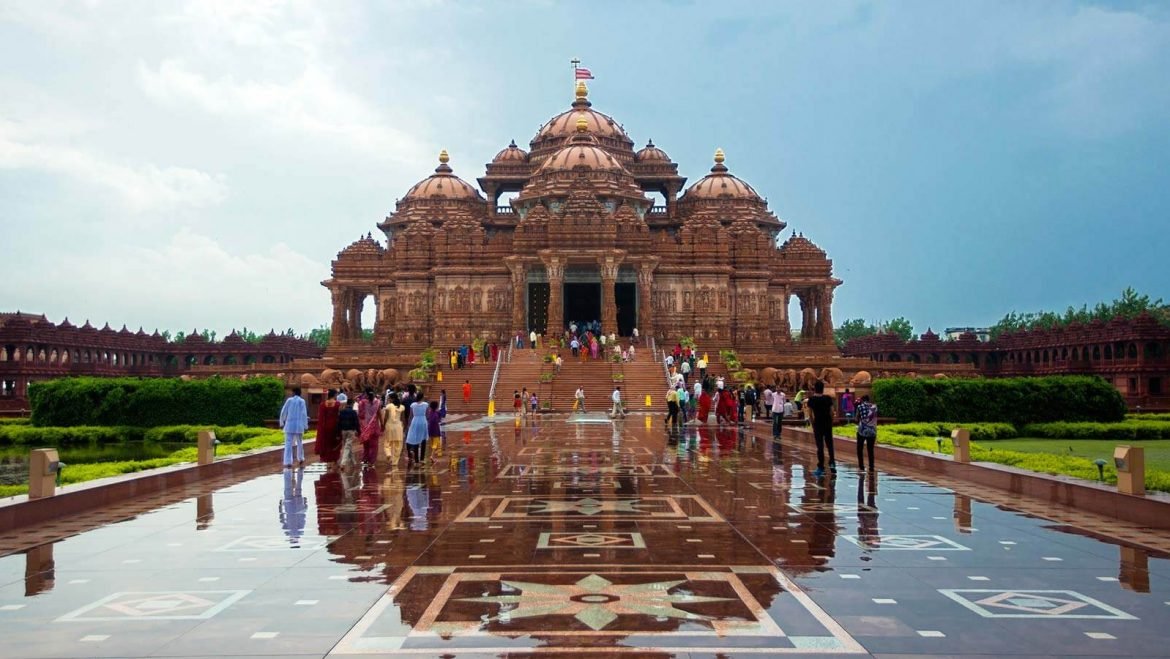
3-MAR-2026, 11:46 AM As the lunar eclipse period begins, temples across major Indian cities — from Delhi to Ranchi — have temporarily closed their doors, reflecting deep-rooted religious traditions tied to celestial events. The observance marks the start of the eclipse period, often associated with Sutak Kaal in Hindu belief.
The closures have had a noticeable impact on daily activities, devotional routines, and local temple economies.
Religious Significance Behind the Closures
In Hindu tradition, eclipses are considered spiritually sensitive periods. Many devotees believe that negative cosmic energies are heightened during this time. As a result:
Regular temple darshan is paused.
Religious ceremonies are suspended.
Idols are covered or protected.
Special prayers are performed privately by priests.
Temples typically reopen only after the eclipse concludes and purification rituals are conducted.
Impact Across Cities
In Delhi, several prominent temples announced adjusted timings in advance, informing devotees through public notices and social media. Similarly, in Ranchi and other cities, temple committees coordinated closures to align with the officially declared eclipse period.
The coordinated response highlights how religious observances continue to shape urban life, even in metropolitan regions.
Effect on Daily Activities
The eclipse period has influenced everyday routines in multiple ways:
Devotees are rescheduling temple visits.
Some households avoid cooking during the Sutak period.
Religious gatherings are postponed.
Fasting and chanting practices increase.
Shops selling puja items, incense, and holy water witness heightened activity before the closure period begins.
Cultural Continuity in Modern Times
Despite rapid urbanisation and technological advancement, eclipse-related traditions remain deeply embedded in society. Families often gather to:
Recite mantras
Read sacred texts
Meditate
Perform charity
For many, the eclipse is both a spiritual and cultural event rather than merely an astronomical occurrence.
Scientific Perspective
Astronomically, a lunar eclipse occurs when the Earth passes between the Sun and the Moon, casting its shadow on the Moon. It is a natural phenomenon and safe to observe with the naked eye.
However, religious customs associated with eclipses are based on ancient scriptures and mythological narratives, particularly stories linked to Rahu and Ketu in Hindu cosmology.
The coexistence of scientific understanding and traditional belief is a defining feature of such events in India.
Economic Ripple Effects
Temple closures also have small-scale economic implications:
Vendors outside temple premises experience temporary business slowdown.
Pilgrimage-related travel may see short-term adjustments.
Donation flows pause during closure hours.
However, once the eclipse ends and temples reopen, footfall often increases significantly as devotees return for post-eclipse prayers.
Purification and Reopening Rituals
After the eclipse concludes:
Temples undergo ceremonial cleansing.
Idols are bathed in ritualistic abhishek ceremonies.
Fresh offerings are prepared.
Devotees are welcomed back for darshan.
This reopening is often accompanied by special prayers believed to restore spiritual balance.
Broader Social Impact
The synchronized closures from Delhi to Ranchi illustrate the collective observance of tradition across regions. Media outlets and local authorities have issued eclipse timing advisories to avoid confusion.
In today’s interconnected world, such events trend across social media platforms, blending spiritual observance with digital engagement.
How Devotees Prepare Before Temple Closures
Before temples close their doors, devotees often complete their regular prayers and darshan. Many people prefer to visit temples earlier in the day so they can finish their religious activities before the Sutak period begins.
Temple authorities may also inform visitors about closure and reopening timings through notices, announcements, and social media updates. This helps devotees plan their visits and avoid arriving at the temple during restricted hours.
Some families also prepare for the eclipse at home by arranging items needed for prayers and deciding whether they will observe fasting or other traditional practices. The nature of these preparations varies according to individual beliefs and regional customs.
Role of Temple Committees
Temple committees play an important role in managing the closure period. They coordinate with priests and staff to ensure that regular activities are stopped according to the announced schedule.
Information about darshan timings, special prayers, and reopening procedures may be communicated to devotees in advance. In busy temples, such arrangements can also help manage crowds when worship resumes after the eclipse.
Priests generally remain involved in religious observances even when public darshan is suspended. Private prayers and rituals may continue according to the customs followed by the particular temple.
Devotees Turn to Home Worship
With temples temporarily unavailable, many devotees continue their spiritual practices at home. Families may light lamps, chant mantras, read religious texts, or spend time in meditation.
For people who regularly visit temples, the closure does not necessarily mean that religious activities stop completely. Instead, worship may shift from public spaces to homes until the eclipse period ends.
This also allows families to observe traditional practices together and pass them on to younger members.
Increased Public Interest in Eclipse Timings
The closure of temples has also increased public interest in the exact timing of the lunar eclipse and Sutak Kaal. People are checking news reports and local announcements to understand when the observance begins and when normal temple activities are expected to resume.
Digital platforms have made such information easier to access. Temple committees and media organisations can share updates quickly, allowing devotees in different cities to follow changes in schedules.
At the same time, people are encouraged to distinguish between verified information and unconfirmed claims circulating online.
Tradition Continues Alongside Modern Life
The response to the lunar eclipse shows how traditional practices continue alongside modern lifestyles. People living in large cities may follow busy work schedules and use digital services throughout the day, yet still make time for religious customs during significant celestial events.
For some families, temple closures are an opportunity to observe traditions that have been followed for generations. For others, the eclipse provides an occasion to learn more about the cultural and astronomical significance of celestial events.
The different ways people respond demonstrate the varied nature of religious observance across India.
What Happens When Temples Reopen
Once the eclipse period is over, temples generally begin preparations to welcome devotees again. Cleaning and purification rituals may take place before regular darshan resumes.
Fresh offerings are prepared, ritual bathing of idols may be performed, and priests conduct prayers according to established temple customs. Devotees then return for darshan and regular worship.
The reopening can also bring increased activity around temple premises, benefiting vendors and businesses that depend on visitor footfall.
Overall, the temporary temple closures from Delhi to Ranchi highlight the continuing connection between religious traditions, community life, and major celestial events. While practices differ from one place to another, the observance remains an important cultural feature for many devotees.
Conclusion
The temporary closure of temples from Delhi to Ranchi ahead of the lunar eclipse demonstrates the enduring influence of tradition on contemporary life. While the eclipse is an astronomical event, its cultural resonance continues to shape routines, rituals, and public spaces.
As the eclipse period passes and temples reopen, normal activities will resume—but the episode serves as a reminder of how celestial events still unite communities in shared belief and practice.
SOURCE: ABP NEWS




One thought on “Temples from Delhi to Ranchi Close as Lunar Eclipse Period Begins”