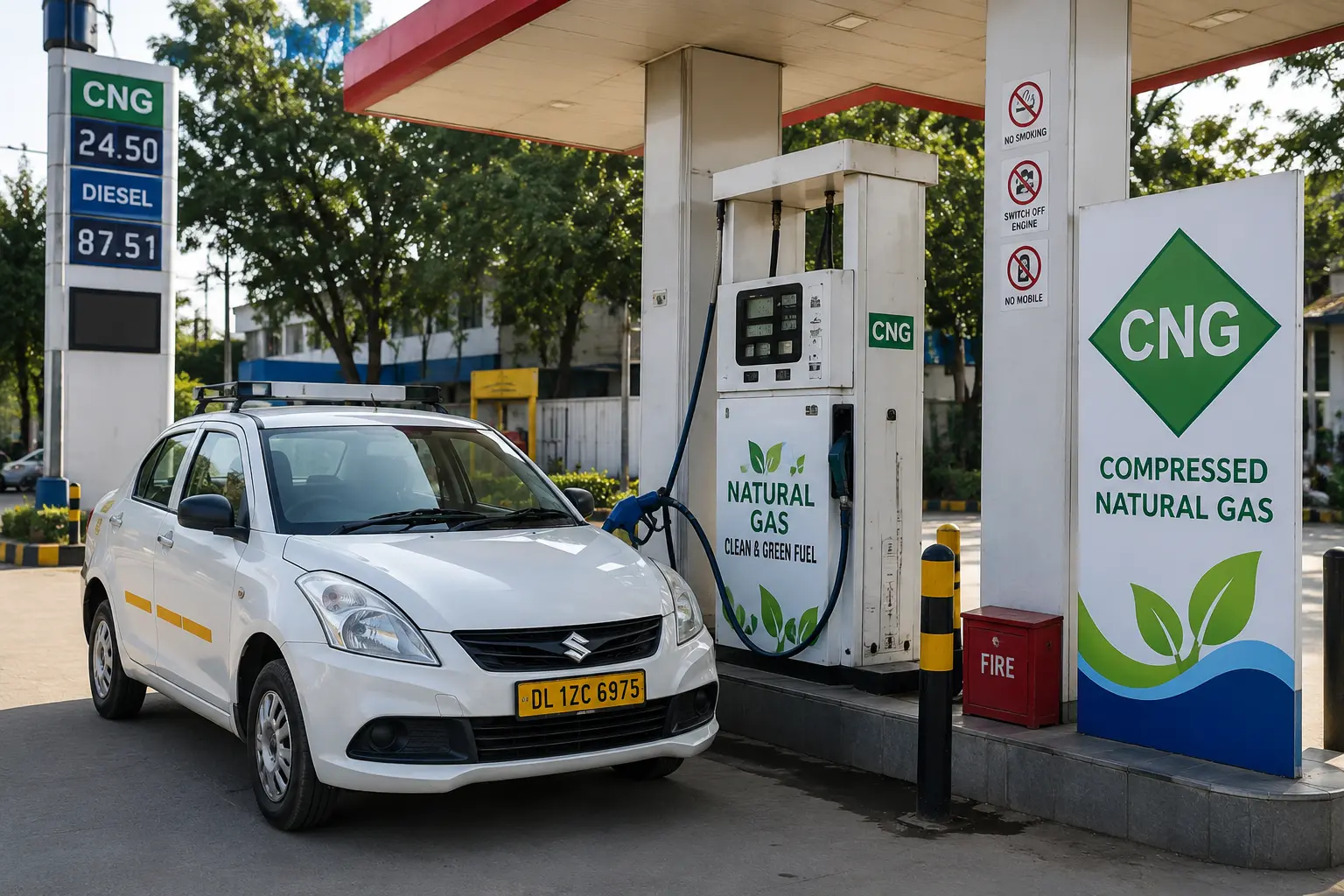
14-MAR-2026, 11:25 AM: The global oil market is currently experiencing significant volatility as tensions continue to rise in the Middle East, a region that plays a crucial role in the world’s energy supply. Ongoing geopolitical conflicts have created uncertainty in international energy markets, causing fluctuations in oil prices and raising concerns about the stability of global supply chains.
Oil is one of the most important commodities in the global economy, and any disruption in its production or transportation can have far-reaching consequences for industries, governments, and consumers around the world. The current situation in the Middle East has once again highlighted how closely energy markets are linked to geopolitical developments.
Importance of the Middle East in Global Oil Supply
The Middle East is home to some of the world’s largest oil reserves and is responsible for a significant portion of global crude oil production. Countries in the region export millions of barrels of oil each day to markets across Asia, Europe, and North America.
Major oil-producing nations such as Saudi Arabia, Iran, Iraq, and the United Arab Emirates play a central role in maintaining the balance of global oil supply. Any political instability or military conflict in the region can quickly influence international oil prices.
Because of this strategic importance, developments in the Middle East are closely monitored by governments, energy companies, and financial markets.
Impact of Geopolitical Tensions on Oil Prices
When conflicts escalate in major oil-producing regions, traders and investors often anticipate possible disruptions to supply. This expectation can lead to sudden increases in oil prices as markets react to potential risks.
Shipping routes, oil infrastructure, and production facilities may all become vulnerable during periods of conflict. Even the possibility of such disruptions can trigger market volatility.
In recent weeks, rising tensions have caused noticeable fluctuations in global oil benchmarks, reflecting uncertainty about how the situation might evolve.
Strategic Importance of the Strait of Hormuz
One of the most critical energy routes in the world is the Strait of Hormuz, a narrow waterway through which a large portion of the world’s oil shipments pass every day.
The strait connects the Persian Gulf to the Arabian Sea and serves as a major export route for oil produced in the Middle East. Any threat to shipping in this area could significantly affect global energy supplies.
Because of its strategic importance, tensions near the Strait of Hormuz often lead to immediate reactions in the oil market.
Economic Consequences of Oil Market Volatility
Fluctuating oil prices can have a wide range of economic consequences. For oil-importing countries, rising prices increase the cost of fuel, transportation, and industrial production.
Higher energy costs can contribute to inflation, affecting the prices of goods and services across the economy. Governments may also face increased pressure to manage fuel prices and protect consumers from sudden cost increases.
On the other hand, oil-exporting nations may experience higher revenues during periods of rising prices, although instability can still create long-term challenges for economic planning.
Impact on Global Financial Markets
Oil price movements often influence broader financial markets as well. Investors closely track energy prices because they can affect sectors such as transportation, manufacturing, and aviation.
Stock markets sometimes react to oil price volatility, particularly when geopolitical tensions create uncertainty about future economic conditions.
Energy companies, shipping firms, and industries heavily dependent on fuel costs may see their stock prices fluctuate as investors adjust their expectations.
Efforts to Maintain Energy Stability
Governments and international organizations are working to ensure stability in global energy markets despite ongoing tensions. Diplomatic efforts aim to prevent disruptions that could threaten oil supply chains.
Energy-producing nations also coordinate production levels to maintain market balance and prevent extreme price fluctuations.
In addition, many countries are investing in alternative energy sources such as solar, wind, and nuclear power to reduce their dependence on imported oil.
These efforts are part of a broader strategy to improve long-term energy security.
Role of Strategic Oil Reserves
Several major economies maintain strategic petroleum reserves that can be used during supply disruptions. These reserves act as emergency stockpiles designed to stabilize markets during crises.
If oil supplies are interrupted due to conflict or other factors, governments may release reserves to ensure that industries and consumers continue to receive fuel.
This mechanism has been used in the past during periods of global energy shortages.
Long-Term Changes in Energy Markets
The volatility in oil markets also highlights the ongoing transition in the global energy sector. Many countries are accelerating investments in renewable energy and electric vehicles as part of efforts to reduce reliance on fossil fuels.
While oil remains essential to the global economy, the push toward cleaner energy sources may gradually reshape the structure of energy markets over the coming decades.
Nevertheless, geopolitical developments in oil-producing regions will likely continue to influence global markets for the foreseeable future.
Conclusion
The ongoing conflict in the Middle East has once again demonstrated how sensitive the global oil market is to geopolitical developments. As tensions continue, uncertainty about supply routes and production levels is contributing to price volatility in international energy markets.
Governments, energy companies, and financial institutions are closely monitoring the situation while working to maintain stability in global energy supply chains.
While the long-term transition toward renewable energy may reduce dependence on oil in the future, the Middle East will remain a key region influencing global energy dynamics for many years to come.