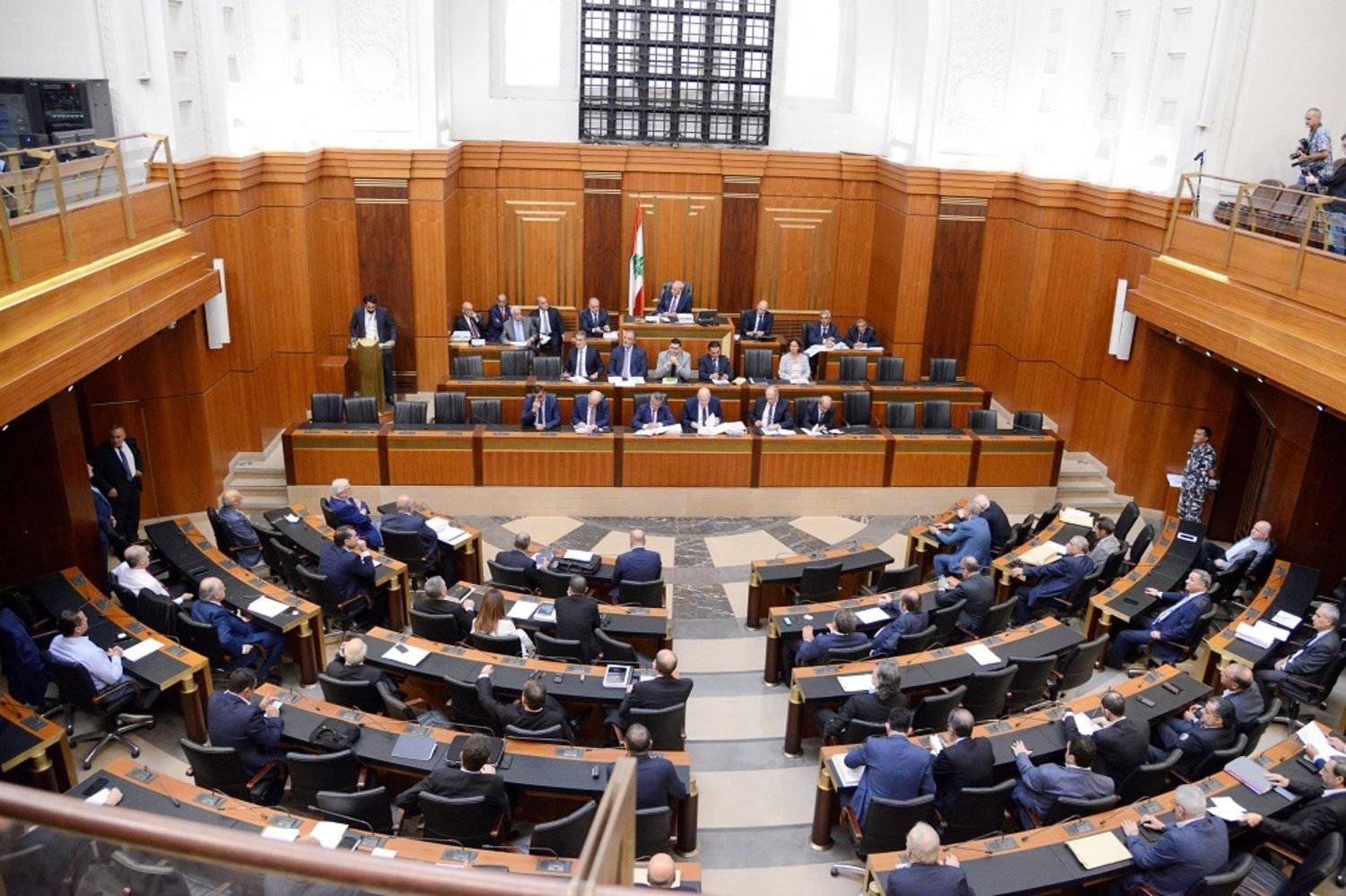
17-MAR-2026, 12:11 PM, Parliament’s Budget Session continued on March 17, 2026, with lawmakers focusing on government expenditure, railway funding and the implementation of the Union Budget.
The Lok Sabha continued its discussion and voting on the Demands for Grants for the Ministry of Railways for 2026-27, while the Rajya Sabha took up the Appropriation Bill, 2026. The developments formed part of Parliament’s wider examination of government spending during the Budget Session.
The proceedings came as Parliament moved through an important stage of the financial business for the coming financial year.
Lok Sabha Discusses Railway Spending
The Ministry of Railways was one of the key areas discussed in the Lok Sabha on March 16 and 17.
Demands for grants allow Parliament to examine and vote on the amount of money requested by individual ministries and departments.
The railway budget is particularly important because spending in the sector affects infrastructure development, passenger services, railway safety, freight capacity, and network expansion.
According to the parliamentary record, the discussion on the Railways Demands for Grants lasted from March 16 to March 17, with the minister replying before the demands were voted on.
Appropriation Bill Taken Up in Rajya Sabha
While the Lok Sabha was dealing with railway expenditure, the Appropriation Bill, 2026 was taken up in the Rajya Sabha.
Finance Minister Nirmala Sitharaman moved the bill in the upper house.
The legislation is important because an Appropriation Bill authorizes the government to withdraw money from the Consolidated Fund of India to meet approved expenditure.
The Rajya Sabha can discuss and suggest amendments to a money bill, but it cannot reject it. The Bill had already been passed by the Lok Sabha.
What Are Demands for Grants?
Demands for grants are an important part of India’s parliamentary budget process.
Each ministry presents its estimated expenditure requirements for the financial year.
Members of Parliament can debate these demands and raise questions about government spending, implementation, and priorities.
After discussion, the House votes on the demands.
Once approved, the government can proceed with the corresponding expenditure through the required legislative process.
The Railways discussion therefore provided MPs with an opportunity to examine one of the country’s largest public-sector infrastructure systems.
Railway Spending and Infrastructure
Railway expenditure has implications for several areas of the Indian economy.
Investment in railway infrastructure can support:
- New railway lines
- Track expansion
- Electrification
- Station redevelopment
- Passenger amenities
- Safety improvements
- Freight infrastructure
- Modernisation of railway equipment
The sector also has a major role in moving passengers and goods across the country.
Because of this, parliamentary examination of railway spending is an important part of the annual budget process.
Economic Policy Remains a Wider Parliamentary Focus
Although railway expenditure was the main financial discussion on March 17, Parliament’s broader Budget Session agenda also included economic and regulatory reforms.
Several bills were introduced during the second half of the budget session after Parliament resumed on March 9.
These included the Corporate Laws (Amendment) Bill, 2026, the Jan Vishwas (Amendment of Provisions) Bill, 2026, and the Foreign Contribution (Regulation) Amendment Bill, 2026.
The Corporate Laws Bill was referred to a Joint Parliamentary Committee for further examination.
The Jan Vishwas Bill focused on reducing criminal penalties for certain regulatory violations and rationalising penalties across several laws.
Welfare and Rural Development Also Discussed
Parliament’s policy discussions were not limited to infrastructure and economic regulation.
The Rajya Sabha also discussed the working of the Ministry of Rural Development during the second half of the Budget Session.
The discussion covered the ministry’s programs, policies, and expenditure.
Rural development remains an important policy area because government schemes in this sector are linked to employment, rural infrastructure, social security, and development.
The Parliamentary Standing Committee system also examined the demands for grants of departments dealing with administrative reforms and pensioners’ welfare.
Budget 2026-27 Enters Important Stage
The developments of March 17 were part of the wider process of approving the Union Budget for 2026-27.
The Union Budget was presented on February 1, followed by general discussion in both houses during the first part of the session.
After Parliament returned from its recess, the focus shifted towards ministry-specific demands for grants and related financial legislation.
The demands for grants for railways and agriculture and farmers’ welfare were among the major ministry-level discussions during this stage.
Why the Railway Debate Matters
Railways is one of India’s largest infrastructure networks and has a direct impact on both the economy and everyday life.
Government spending on railway infrastructure can influence connectivity between cities and rural areas.
It can also support freight movement, reduce transportation bottlenecks, and improve passenger services.
At the same time, railway expenditure needs to be examined alongside safety, operational efficiency, and financial sustainability.
The parliamentary debate gives lawmakers an opportunity to raise these issues before the spending proposals are approved.
Government Spending and Accountability
Parliamentary scrutiny of expenditure is an important part of democratic accountability.
The government proposes how much money should be allocated to different ministries, while MPs can question those priorities.
The process allows concerns about implementation, efficiency and the impact of government programmes to be raised publicly.
This makes the Budget Session more than a discussion about numbers.
It also provides a mechanism through which Parliament can examine how public money is expected to be used.
What Happens After the Demands Are Passed?
Once the demands for grants are voted on, the government moves towards the next stages of the appropriation process.
The Appropriation Bill gives legal authority for government expenditure from the Consolidated Fund.
Later in the session, the Finance Bill, 2026, also moved through Parliament as part of the government’s taxation and budget process. The Finance Bill was eventually passed by the Lok Sabha on March 25.
This shows how the various stages of the budget process are connected.
Parliament’s Wider Legislative Agenda
The budget session also included several non-financial bills.
The government’s legislative agenda included reforms involving labor relations, corporate regulation, transgender rights, foreign contributions, insolvency, and other areas.
The Jan Vishwas Bill was particularly significant from a regulatory reform perspective because it proposed changes to offenses and penalties across numerous central laws.
The Corporate Laws (Amendment) Bill was also sent to a Joint Parliamentary Committee for further consideration.
Conclusion
Parliament’s Budget Session 2026 entered an important financial stage on March 17, with the Lok Sabha continuing its discussion and voting on the Railways Demands for Grants and the Rajya Sabha taking up the Appropriation Bill, 2026.
The proceedings formed part of the larger process of examining government expenditure for 2026-27.
Railway spending received particular attention because of its importance to infrastructure, passenger services, freight movement, and economic development.
At the same time, Parliament continued work on wider economic and regulatory reforms, including legislation dealing with corporate laws and decriminalization of certain regulatory violations.
The budget session therefore remained focused on both government spending and legislative reform, with decisions taken during the session shaping policy and expenditure for the coming financial year.
Sources: Parliament of India, Press Information Bureau, and PRS Legislative Research.