
Stock Market Shows Mixed Trends Amid Global Uncertainty
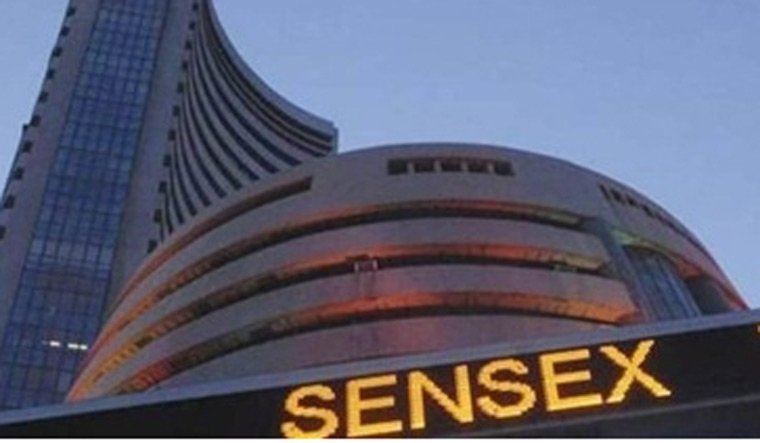
20-MAR-2026, 12:25 PM The stock market is currently witnessing mixed trends as global uncertainty continues to influence investor sentiment. Benchmark indices like the BSE Sensex and Nifty 50 have been fluctuating, reflecting a cautious approach by market participants. While some sectors show resilience and growth, others are under pressure due to external and internal economic factors.
This mixed performance highlights the complex nature of the current financial environment, where multiple global and domestic elements are shaping market movements.
Understanding Mixed Market Trends
A mixed trend in the stock market means that while some stocks or sectors are rising, others are falling or remaining stagnant. This creates a situation where the overall market does not show a clear upward or downward direction.
In the current scenario, investors are reacting differently to various economic signals. Positive domestic indicators are supporting certain sectors, while global concerns are pulling others down.
Global Uncertainty as a Key Driver
One of the primary reasons behind the mixed trends is global uncertainty. Several factors are contributing to this uncertainty:
1. Geopolitical Tensions
Ongoing conflicts and tensions in different parts of the world are impacting global markets. These situations create instability, affecting investor confidence and leading to cautious trading behavior.
2. Fluctuating Oil Prices
Oil prices play a crucial role in shaping market trends, especially for countries like India that rely heavily on imports. Rising oil prices increase production costs and inflation, negatively impacting corporate earnings.
3. Interest Rate Policies
Central banks around the world are adjusting interest rates to control inflation. Higher interest rates can reduce liquidity in the market, making investments in equities less attractive compared to fixed-income options.
Sector-Wise Performance
The mixed trends in the stock market are clearly visible when analyzing sector-wise performance.
Banking and Financial Sector
Banking stocks are showing cautious movement. While strong fundamentals support long-term growth, concerns about interest rates and loan demand are creating short-term volatility.
IT Sector
The IT sector is highly sensitive to global demand. With uncertainty in major economies, IT companies are facing pressure, leading to fluctuating stock prices.
FMCG Sector
FMCG stocks are relatively stable as they deal with essential goods. Even during uncertain times, demand for basic products remains consistent, providing stability to this sector.
Energy and Metal Sector
These sectors are heavily influenced by global commodity prices. Any change in international markets directly impacts their performance, leading to volatility.
Role of Investor Sentiment
Investor sentiment plays a major role in determining market trends. In times of uncertainty, investors tend to adopt a cautious approach.
Foreign Institutional Investors (FIIs)
FIIs often react quickly to global developments. Any negative news or uncertainty can lead to capital outflows, affecting the market.
Domestic Investors
Domestic investors, including retail and institutional players, provide some stability. However, they are also becoming more cautious and selective in their investments.
Impact of Inflation
Inflation is another key factor influencing market trends. Rising inflation affects purchasing power and increases costs for businesses. This, in turn, impacts corporate profits and stock valuations.
Central banks often respond to inflation by increasing interest rates, which can slow down economic growth and affect market performance.
Currency Fluctuations
Currency movements also play a significant role in shaping market trends. A weakening rupee can increase import costs and impact sectors dependent on foreign goods.
At the same time, it may benefit export-oriented sectors like IT and pharmaceuticals, creating a mixed impact on the market.
Domestic Economic Factors
While global factors dominate the current scenario, domestic conditions also play an important role.
Economic Growth
India’s economic growth remains a positive factor. Strong GDP growth and government initiatives support long-term market stability.
Government Policies
Policies related to taxation, infrastructure, and investment can influence market sentiment. Positive reforms can boost confidence, while uncertainties may create volatility.
Corporate Earnings
Quarterly earnings reports provide insights into company performance. Strong earnings can support stock prices, while weak results can lead to declines.
Opportunities in a Mixed Market
Mixed market conditions, while uncertain, also present opportunities for investors.
Value Buying
Market corrections allow investors to buy quality stocks at lower prices.
Diversification
Investing across different sectors can help manage risk and balance returns.
Long-Term Investment
Focusing on long-term growth rather than short-term fluctuations can help investors navigate uncertain markets.
Risks to Watch
Despite opportunities, there are several risks that investors need to consider:
Prolonged global instability
Rising inflation and interest rates
Sudden changes in government policies
Unexpected geopolitical events
Being aware of these risks is essential for making informed investment decisions.
Expert Outlook
Market experts believe that volatility may continue in the short term due to ongoing global uncertainty. However, the long-term outlook for the Indian market remains positive due to strong fundamentals and growth potential.
Investors are advised to:
Stay informed about global developments
Avoid panic-driven decisions
Focus on fundamentally strong companies
Maintain a diversified portfolio
Future Market Direction
The future direction of the stock market will depend on how global and domestic factors evolve. Key elements to watch include:
Movement in oil prices
Central bank policies
Geopolitical developments
Economic data releases
If global conditions stabilize, markets may regain momentum. However, continued uncertainty could keep trends mixed.
Conclusion
The current mixed trends in the stock market reflect the impact of global uncertainty on investor sentiment. While indices like the BSE Sensex and Nifty 50 continue to fluctuate, the underlying strength of the Indian economy provides a foundation for long-term growth.
In such an environment, patience, strategic planning, and informed decision-making are key for investors. While short-term volatility may persist, opportunities remain for those who approach the market with a balanced and disciplined strategy. 📊📉