
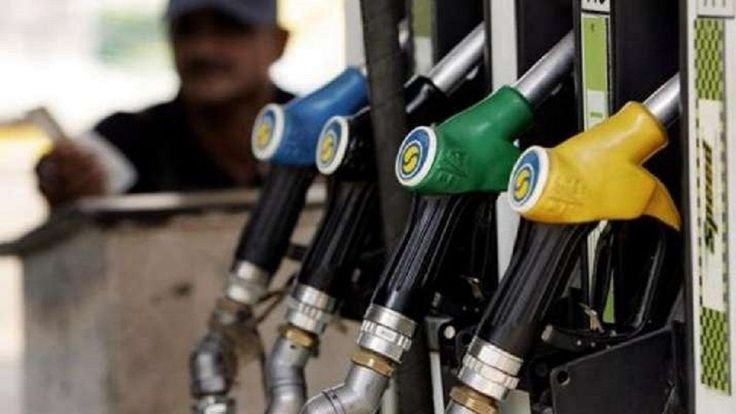
27-MAR-2026, 10:24 AM: In a significant move aimed at easing the financial burden on citizens, the government has reduced excise duty on petrol and diesel. This decision comes amid rising fuel prices and inflation concerns, offering much-needed relief to consumers and businesses alike.
Fuel prices directly impact almost every sector of the economy—from transportation and logistics to daily household expenses. Therefore, any change in excise duty has far-reaching consequences.
What Is Excise Duty on Fuel?
Excise duty is a tax imposed by the government on goods produced or sold within the country. In the case of petrol and diesel, it is levied by the central government and forms a major portion of the retail fuel price.
The final price you pay at the petrol pump includes:
- Base price of crude oil
- Refining costs
- Central excise duty
- State VAT (Value Added Tax)
- Dealer commission
A reduction in excise duty directly lowers the overall price of fuel.
Why Was the Excise Duty Reduced?
The government’s decision to cut excise duty is driven by multiple factors:
1. Rising Inflation
High fuel prices contribute significantly to inflation, increasing the cost of goods and services.
2. Global Crude Oil Prices
Fluctuations in international oil markets often lead to higher domestic fuel prices.
3. Public Relief
Reducing fuel prices helps ease the financial burden on households.
4. Economic Stability
Lower fuel costs can boost economic activity by reducing transportation and production expenses.
Immediate Impact on Fuel Prices
The most direct effect of the excise duty cut is a reduction in petrol and diesel prices.
For consumers, this means:
- Lower cost per litre at petrol pumps
- Reduced daily commuting expenses
- Savings on transportation costs
Even a small reduction per litre can lead to significant savings over time, especially for regular users.
Impact on Household Expenses
Fuel prices influence the cost of many everyday items. When petrol and diesel become cheaper:
- Transportation costs decrease
- Prices of essential goods stabilise
- Household budgets get some relief
For middle-class families, this can make a noticeable difference in monthly expenses.
Effect on Inflation
Fuel is a key driver of inflation. Lower fuel prices can help control inflation by reducing:
- Cost of transporting goods
- Production costs for industries
- Prices of food and essential commodities
This creates a ripple effect across the economy, benefiting both consumers and businesses.
Impact on Transportation and Logistics
The transport sector is one of the biggest beneficiaries of lower fuel prices.
Key Benefits:
- Reduced operating costs for transport companies
- Lower freight charges
- Cheaper travel for passengers
This can also lead to more stable pricing in sectors like e-commerce, agriculture, and manufacturing.
Benefits for Businesses and Industries
Businesses that rely heavily on transportation and fuel will see reduced costs.
Industries such as
- Logistics and delivery services
- Agriculture (tractors, irrigation pumps)
- Manufacturing
will benefit from lower fuel expenses, potentially increasing profitability and efficiency.
Challenges and Trade-offs
While the excise duty cut benefits consumers, it also comes with certain challenges:
1. Government Revenue Loss
Excise duty is a major source of revenue. Reducing it can impact government finances.
2. Fiscal Pressure
Lower revenue may affect spending on infrastructure and welfare schemes.
3. Temporary Relief
If global oil prices rise again, fuel prices may increase despite the duty cut.
Role of State Governments
It’s important to note that fuel prices are also affected by state taxes (VAT).
Even after a central excise duty cut:
- States may adjust their VAT rates
- Final price reduction may vary across states
This is why fuel prices differ from one state to another.
What Consumers Should Expect
Consumers can expect:
- Immediate but moderate price reduction
- Slight easing of overall expenses
- Possible stabilisation in prices of goods and services
However, fuel prices will still depend on global crude oil trends and currency exchange rates.
Long-Term Implications
In the long run, reducing excise duty highlights the need for:
- Alternative energy sources
- Reduced dependence on imported crude oil
- Better fuel pricing policies
It also raises discussions about balancing government revenue with public welfare.
Public Reaction
The decision has been largely welcomed by the public, with many seeing it as a necessary step to control rising living costs.
However, some experts believe that more structural reforms are needed to ensure long-term stability in fuel pricing.
Impact on Small Businesses
Small businesses and local traders may also benefit from lower fuel costs. Many businesses depend on motorcycles, cars, delivery vehicles, or small commercial transport for their daily operations. Reduced fuel expenses can help them manage operating costs more effectively.
For businesses already facing pressure from higher input and transportation costs, even moderate savings on fuel can provide some financial flexibility. This could help businesses maintain prices, manage deliveries, and support regular operations.
Effect on Agriculture
The agriculture sector is another area where fuel costs can have an important impact. Farmers often depend on diesel-powered tractors, pumps, and other equipment for cultivation and irrigation activities.
A reduction in diesel prices could lower some operating expenses for farmers, although the overall impact would also depend on other input costs, weather conditions, and agricultural market prices. Lower transportation expenses could additionally support the movement of agricultural produce from farms to markets.
Consumer Spending and Economic Activity
Lower fuel expenses may leave households and businesses with slightly more money available for other needs. Consumers could redirect some of their savings toward essential purchases, services, or other household expenses.
At a broader level, improved spending capacity can support economic activity. However, the overall effect will depend on the size of the fuel price reduction and how long the lower prices remain in place.
The decision therefore has implications beyond petrol pumps, with its effects potentially reaching transportation, agriculture, businesses, and household budgets.
Conclusion
The reduction in excise duty on petrol and diesel is a significant move aimed at providing relief to consumers and controlling inflation. It directly lowers fuel prices and indirectly benefits multiple sectors of the economy.
While the decision brings short-term advantages, its long-term impact will depend on global oil prices, government policies, and economic conditions.
For now, consumers can expect some relief at the fuel pump—an important step in easing the cost of living in challenging times.
SOURCE: ABP NEWS


One thought on “Petrol Diesel Excise Duty Reduced: What It Means for Fuel Prices and Consumers”