
Your daily dose of news, covering the latest updates in politics, business, sports, entertainment, and more from India and around the world.
Your daily dose of news, covering the latest updates in politics, business, sports, entertainment, and more from India and around the world.
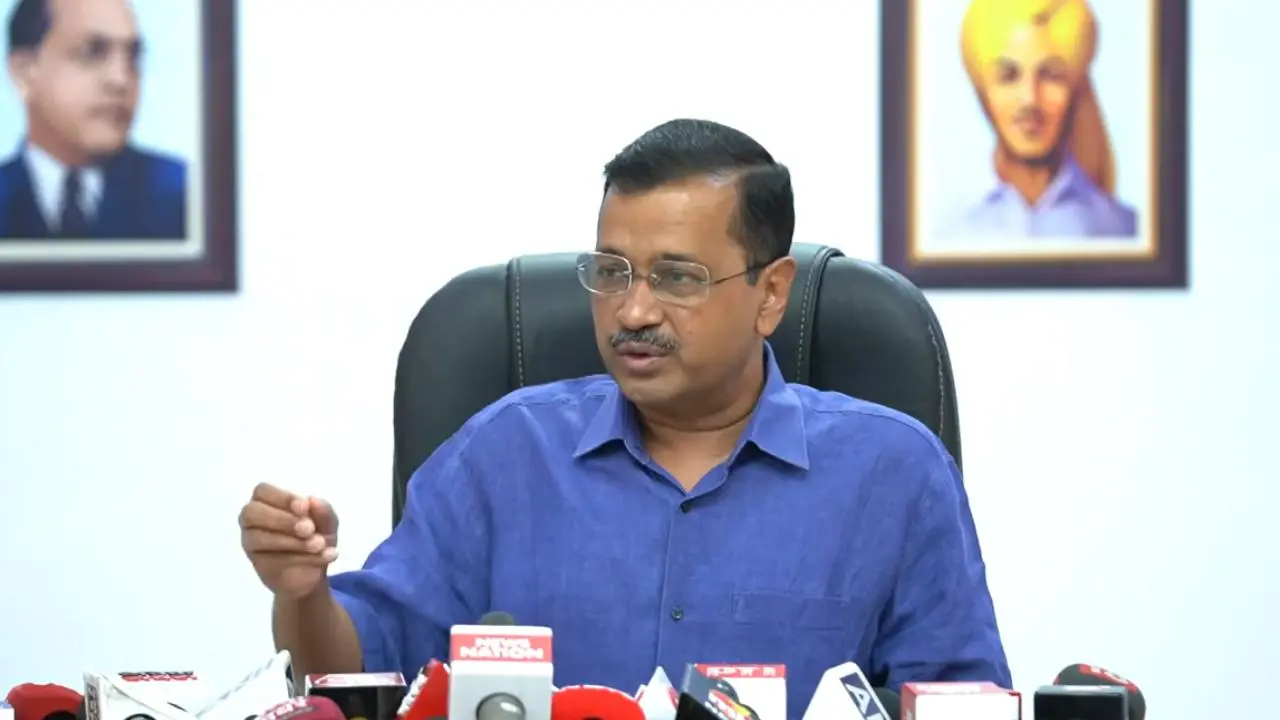
The Kejriwal E20 Fuel Policy discussion has attracted widespread attention after AAP national convenor Arvind Kejriwal announced plans to issue formal letters to automobile manufacturers, seeking greater transparency about how E20 fuel could affect vehicles manufactured before 2023.
According to the announcement, the letters seek written clarification from leading automakers about how E20 petrol may affect older vehicles and whether consumers have been provided with adequate information regarding compatibility and long-term performance. The issue has sparked discussion among vehicle owners, industry experts, and policymakers.
As India continues expanding the use of ethanol-blended fuel to reduce dependence on fossil fuels and improve energy security, questions regarding vehicle compatibility have become increasingly important. Millions of motorists continue using vehicles manufactured before newer fuel standards were introduced, making clear communication from manufacturers essential.
E20 fuel combines 20% ethanol with 80% petrol to create a higher ethanol-blended fuel. The Government of India has been promoting higher ethanol blending as part of its strategy to reduce crude oil imports, lower carbon emissions, and support domestic biofuel production.
The adoption of E20 fuel can deliver long-term environmental improvements while supporting economic growth. However, experts have also emphasised the importance of ensuring that existing vehicles remain compatible with higher ethanol blends or that consumers receive proper guidance regarding maintenance and performance.
Automobile manufacturers have gradually introduced E20-compatible vehicles, but many older models remain on Indian roads, leading to questions from consumers.
AAP has stated that vehicle owners deserve clear and accurate information regarding the effects of E20 fuel on engines manufactured before updated standards were introduced. Consumers depend on manufacturers for accurate technical information, making clear communication essential for building trust.
The proposed letters aim to encourage automobile companies to explain how different vehicle models respond to E20 fuel and whether owners should take additional precautions while using higher ethanol blends.
Industry observers believe open communication between manufacturers and consumers can help reduce confusion while supporting the country’s transition towards cleaner fuels.
Many vehicle owners are interested in understanding whether their existing cars and motorcycles are fully compatible with E20 petrol. Consumers are increasingly seeking information about fuel efficiency, engine performance, maintenance needs, and warranty coverage.
Automobile experts recommend that consumers consult official manufacturer guidelines before making decisions regarding fuel compatibility. Accurate technical information allows vehicle owners to operate their vehicles safely while avoiding unnecessary concerns.
India has steadily increased the use of ethanol-blended petrol as part of its broader strategy to improve energy security and reduce dependence on imported crude oil. By promoting fuels such as E20, the government aims to support cleaner transportation while encouraging the use of domestically produced biofuels.
Higher ethanol blending is also expected to benefit farmers by creating greater demand for crops used in ethanol production, including sugarcane and maize. Supporters of the initiative believe that increasing ethanol production can strengthen the agricultural sector while contributing to a more sustainable energy ecosystem.
However, experts point out that the transition to cleaner fuels should be accompanied by clear public awareness campaigns and accurate technical information for vehicle owners.
One of the main concerns surrounding the Kejriwal E20 Fuel Policy discussion is whether older vehicles are fully compatible with E20 petrol. Millions of cars and two-wheelers manufactured before recent fuel standards continue to operate on Indian roads, making compatibility an important issue for consumers.
Automobile manufacturers have introduced newer models that are specifically designed to operate with higher ethanol blends. Older vehicles, however, may require owners to carefully follow manufacturer recommendations before regularly using E20 fuel.
Industry experts suggest that consumers should always refer to their vehicle manuals or consult authorised service centres to understand fuel compatibility. Reliable information can help prevent confusion while allowing motorists to make informed decisions.
As fuel technologies continue evolving, consumer education becomes increasingly important. Many vehicle owners may not be familiar with technical terms such as ethanol blending, fuel compatibility, or engine calibration.
Public awareness campaigns, official advisories, and transparent communication from manufacturers can help bridge this information gap. Clear explanations regarding vehicle maintenance, servicing schedules, and recommended fuel types can improve consumer confidence during the transition towards cleaner fuels.
Experts believe that better communication also reduces misinformation and ensures motorists receive accurate guidance based on their specific vehicle models.
The automobile industry plays a significant role in supporting India’s transition towards sustainable transportation. anufacturers should provide accurate technical information about fuel compatibility, warranty coverage, and maintenance requirements for both existing and newly launched vehicles.
Consumers increasingly expect companies to communicate openly about product specifications and long-term performance. Transparent information helps customers understand whether any modifications, servicing, or precautions are necessary when using different fuel blends.
Industry observers believe constructive dialogue between policymakers, manufacturers, and consumers will strengthen public confidence while supporting future technological advancements.
The transition to environmentally friendly fuel solutions requires balancing long-term sustainability goals with the practical concerns of everyday vehicle owners. While cleaner fuels offer environmental benefits, consumers also expect reliable performance, affordable maintenance, and clear technical guidance.
Experts note that successful policy implementation depends on cooperation between government agencies, fuel suppliers, automobile manufacturers, and consumers. Governments and industry leaders can address public concerns through open communication while continuing to advance environmental objectives.
Technological innovation and consumer education will play equally important roles as India’s transportation sector evolves.
The Kejriwal E20 Fuel Policy discussion has brought renewed attention to the importance of transparency during India’s transition towards cleaner transportation fuels. As policymakers encourage greater ethanol blending, consumers continue seeking reliable information regarding vehicle compatibility and long-term performance.
The letters proposed by Arvind Kejriwal have added another dimension to the ongoing public debate by emphasising the need for written clarification from automobile manufacturers. Industry experts believe transparent communication will help consumers better understand the impact of E20 fuel while supporting informed decision-making.
With India’s focus on sustainable mobility continuing to grow, cooperation between government authorities, vehicle manufacturers, and consumers will remain essential. Automobile manufacturers and policymakers can support a smoother transition to cleaner fuels by providing clear technical guidance, communicating responsibly, and driving continuous innovation while protecting consumer interests.
Source: ANI

Your trusted source for news, updates, and insights from India and around the world.
Copyright © 2020–2026 NEWSHOTS. All Rights Reserved.