
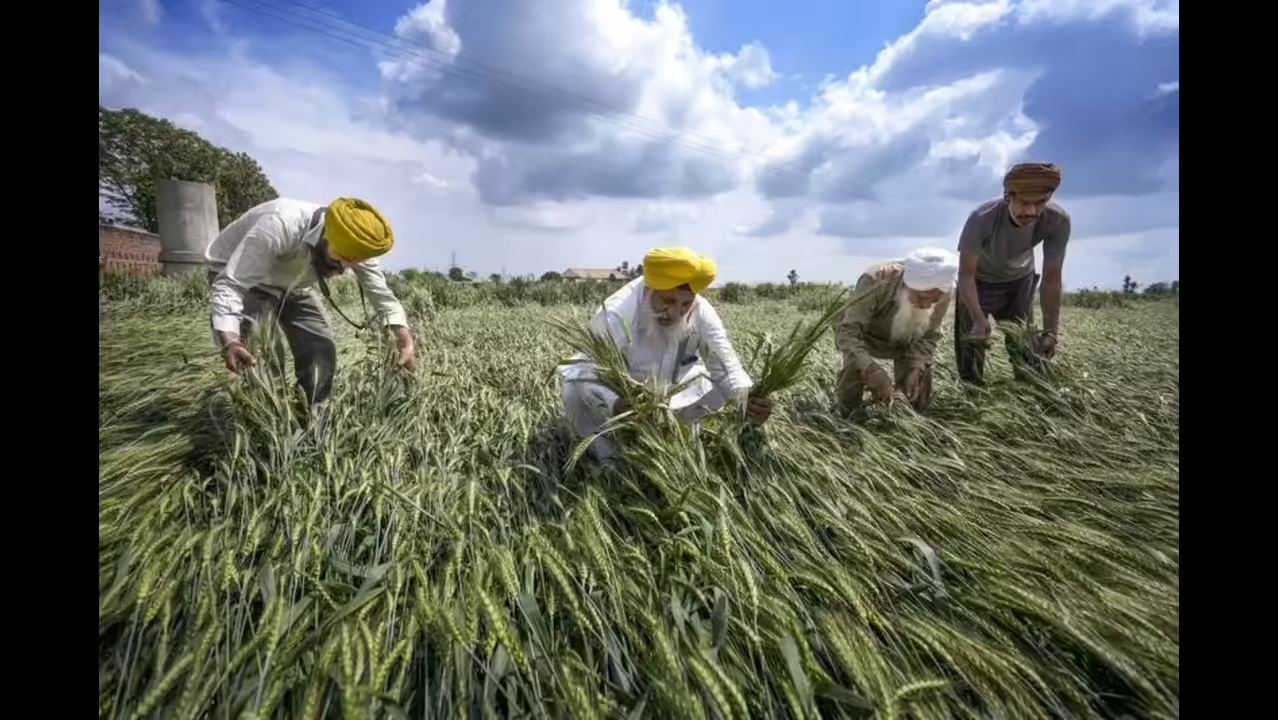
4-APR-2026, 12:33 PM: Unseasonal rainfall has severely impacted wheat crops in Jhajjar, leaving farmers worried about their livelihoods. At a time when crops were nearing harvest, unexpected weather conditions have caused widespread damage, affecting both yield and quality.
This development has once again highlighted the vulnerability of agriculture to climate unpredictability.
What Happened in Jhajjar?
Farmers in Jhajjar reported sudden rainfall accompanied by strong winds.
Key Impacts:
- Wheat crops flattened due to heavy rain
- Waterlogging in fields
- Grain quality deterioration
The timing of the rain has made the damage particularly severe.
Why Timing Matters
The rainfall occurred during a critical stage of crop maturity.
Importance of This Phase:
- Crops are ready for harvest
- Grains are fully developed
- Any disturbance affects final yield
Unseasonal rain at this stage can lead to irreversible losses.
Impact on Farmers
The damage has directly affected farmers’ income and financial stability.
Major Concerns:
- Reduced crop yield
- Lower market prices due to poor quality
- Increased financial stress
Many farmers depend heavily on wheat as their primary source of income.
Economic Losses
The losses are not just agricultural but also economic.
Key Effects:
- Reduced earnings for farmers
- Impact on local markets
- Pressure on supply chains
Such disruptions can have a ripple effect on the broader economy.
Weather Uncertainty and Climate Change
Unpredictable weather patterns are becoming more frequent.
Key Observations:
- Rise in unseasonal rainfall events
- Increased temperature fluctuations
- Greater risk to crop cycles
Climate change is often cited as a major factor behind such changes.
Impact on Wheat Production in Haryana
Haryana is one of the key wheat-producing states in India.
Why It Matters:
- Significant contribution to national food supply
- Supports millions of farmers
- Plays a role in food security
Damage in regions like Jhajjar can impact overall production.
Government Response and Relief Measures
Authorities are expected to assess the damage.
Possible Actions:
- Crop damage surveys
- Compensation for affected farmers
- Support through insurance schemes
Timely intervention is crucial to provide relief.
Role of Crop Insurance
Crop insurance schemes can help mitigate losses.
Benefits Include:
- Financial support during crop failure
- Risk reduction for farmers
- Encouragement for continued farming
However, awareness and accessibility remain challenges.
Challenges Faced by Farmers
Farmers are dealing with multiple issues.
Key Problems:
- Rising input costs
- Weather unpredictability
- Market fluctuations
Unseasonal rain adds to these existing challenges.
Long-Term Solutions
Addressing such issues requires long-term planning.
Possible Measures:
- Improved weather forecasting systems
- Climate-resilient crop varieties
- Better drainage and irrigation systems
These steps can help reduce future risks.
Importance of Sustainable Agriculture
Sustainable practices can improve resilience.
Key Approaches:
- Diversification of crops
- Efficient water management
- Use of technology in farming
Adapting to changing conditions is essential.
Voices from the Ground
Farmers have expressed concern over repeated losses.
Common Sentiments:
- Frustration over unpredictable weather
- Need for stronger support systems
- Demand for timely compensation
Their experiences highlight the urgency of the situation.
Future Outlook
The situation remains uncertain.
What to Watch:
- Extent of crop damage assessment
- Government relief announcements
- Weather conditions in coming weeks
Recovery will depend on timely support and favourable conditions.
Challenges During the Harvest Season
The timing of the rainfall has made the situation particularly difficult for farmers because wheat crops were approaching the harvesting stage. At this point, farmers have already invested considerable amounts in seeds, fertilisers, irrigation and other agricultural activities.
When crops are damaged shortly before harvesting, farmers have limited time to recover their losses. Flattened crops can also make harvesting more difficult and may increase the effort required to collect the remaining produce.
For farmers in affected areas, the immediate priority is to understand the extent of the damage and determine how much of the crop can still be harvested successfully.
Effect on Wheat Quality
Apart from reducing the quantity of wheat available for harvesting, excess moisture can also affect grain quality. Farmers may face concerns about moisture levels, storage and the condition of harvested produce.
Proper drying and storage become especially important after unexpected rainfall. If harvested grain contains excessive moisture, farmers may need additional measures to prevent deterioration before it reaches the market.
The quality of the remaining crop could therefore become an important factor in determining the final financial impact on affected farming households.
Importance of Accurate Weather Forecasts
Reliable weather information can help farmers make better decisions during sensitive stages of crop growth. Advance warnings about rainfall, strong winds, or other weather events may allow farmers to adjust harvesting plans where possible.
Weather forecasts can also help farmers coordinate with local agricultural workers and prepare equipment in advance. While forecasts cannot prevent extreme weather, timely information can improve preparedness and reduce avoidable losses.
Strengthening communication between weather agencies, agricultural departments and farmers can therefore become an important part of climate-resilient farming.
Need for Better Agricultural Advisory Services
Farmers may require practical guidance after weather-related crop damage. Agricultural experts can help assess the condition of standing crops and provide advice regarding harvesting, drying and storage.
Local agricultural officers and extension services can also help farmers understand available assistance programmes and insurance procedures.
Accessible advisory services are especially important for small and marginal farmers who may not have easy access to technical information or private agricultural consultants.
Importance of Timely Compensation
For affected farmers, timely financial assistance can make a significant difference. Compensation processes often depend on field surveys and verification of crop losses.
Quick assessment can help authorities understand the scale of the damage and identify farmers who require support. Delays can increase financial pressure, particularly when farmers have upcoming expenses related to loans, household requirements, or the next agricultural cycle.
Transparent assessment and clear communication about relief measures can help strengthen confidence among affected farming communities.
Preparing for Future Weather Events
The situation in Jhajjar also highlights the importance of preparing agriculture for increasingly uncertain weather conditions. Farmers may benefit from crop varieties suited to changing conditions, improved drainage, and better access to irrigation and weather information.
Agricultural planning can also include diversification so that farmers are not completely dependent on a single crop. Combining different crops and adopting suitable farming practices can potentially provide additional resilience when one crop is affected by adverse weather.
Technology Can Support Farmers
Technology is becoming increasingly important in modern agriculture. Mobile-based weather alerts, digital farming platforms, and satellite-based monitoring can provide farmers with useful information about changing conditions.
Access to timely information can help farmers plan irrigation, harvesting, and other activities more effectively. Digital tools can also improve communication between farmers and agricultural authorities during emergencies.
However, technology needs to remain affordable and accessible so that farmers in rural areas can benefit from these developments.
Conclusion
The unseasonal rain in Jhajjar has dealt a heavy blow to wheat farmers, underlining the growing challenges posed by climate unpredictability. As farmers face financial losses and uncertainty, the need for effective support systems and long-term solutions becomes more critical than ever.
Ensuring agricultural resilience will be key to safeguarding livelihoods and maintaining food security in India.
SOURCE: ABP NEWS



One thought on “Unseasonal Rain Wreaks Havoc on Wheat Fields in Jhajjar; Farmers Face Heavy Losses”