
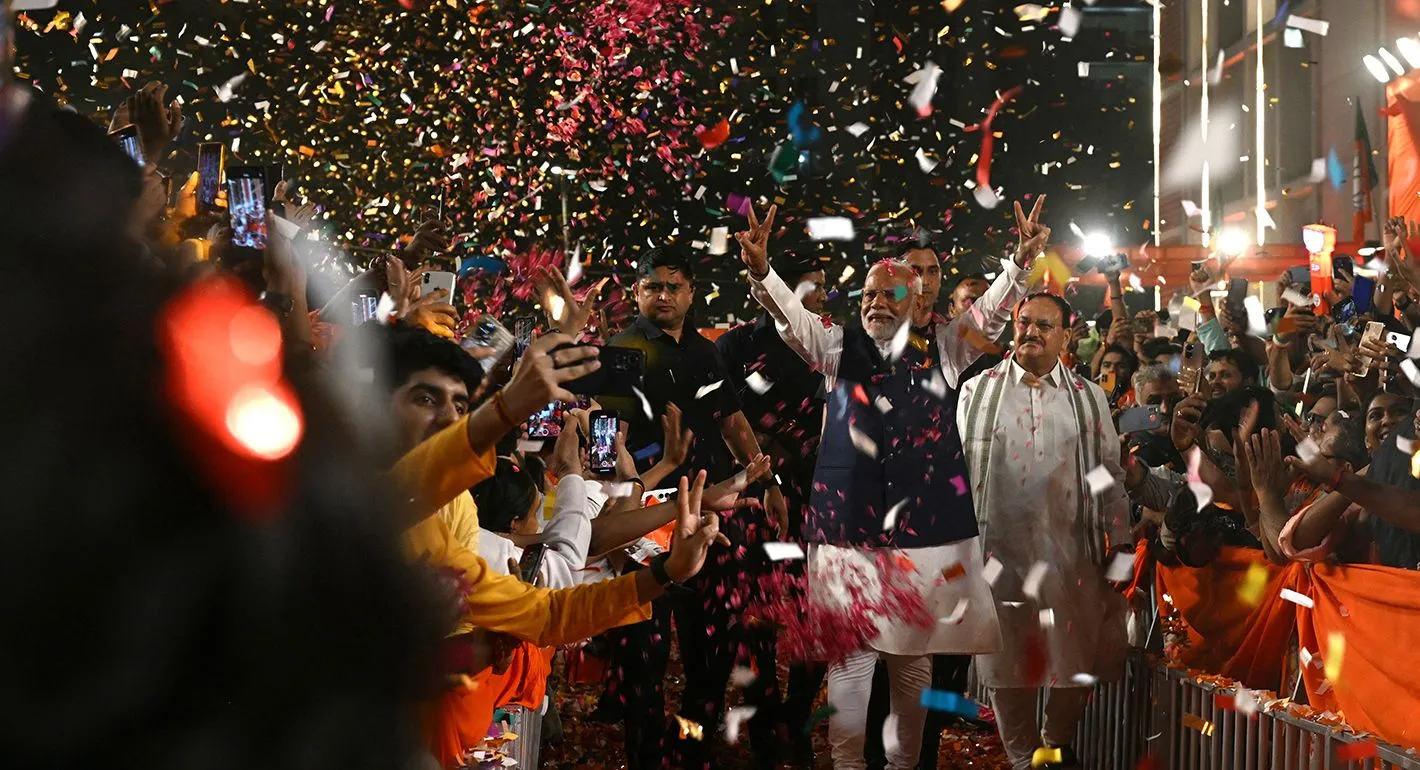
13-APR-2026, 11:15 AM: As the election season approaches, political activity across India is gaining momentum. Major parties are ramping up preparations through a series of high-level strategy meetings, signalling the beginning of an intense electoral battle.
Strategy Meetings Take Center Stage in Elections
From national headquarters to regional offices, political leaders are holding closed-door discussions to finalize campaign strategies. These meetings focus on key areas such as candidate selection, constituency planning, and voter outreach.
Senior leaders and party strategists are working to identify strong candidates and assess ground-level dynamics to ensure maximum impact during the election season.
Focus on Alliances and Seat Sharing Elections
One of the biggest priorities for political parties is forming alliances and negotiating seat-sharing arrangements. In a diverse political landscape like India, alliances often play a decisive role in determining election outcomes.
Parties are carefully evaluating potential partners to strengthen their position in key states and constituencies.
Data-Driven Campaign Planning
Modern election campaigns are increasingly relying on data analytics and digital tools. Parties are using voter data, past election results, and social media insights to craft targeted campaigns.
This shift towards data-driven strategies is helping parties connect with voters more effectively and address local issues with precision.
Leadership Engagement and Public Outreach
Top leaders are expected to intensify their public engagement through rallies, roadshows, and media interactions. These activities are crucial for building momentum and energising party workers.
At the same time, grassroots outreach programs are being planned to connect with voters at the local level.
Key Issues Likely to Dominate Campaigns
Political parties are also identifying the core issues that will shape their campaigns. These may include:
- Economic growth and employment
- Inflation and cost of living
- Infrastructure development
- Social welfare schemes
Addressing these issues effectively will be critical in influencing voter sentiment.
Rising Competition and Political Temperature in Elections
With elections drawing closer, the political temperature is expected to rise. Accusations, counter-accusations, and aggressive campaigning are likely to dominate the narrative in the coming weeks.
Parties are preparing not just to promote their agendas but also to counter the strategies of their opponents.
Election Commission’s Role in Elections
The Election Commission of India will play a crucial role in ensuring free and fair elections. From monitoring campaign activities to enforcing the Model Code of Conduct, the Commission’s responsibilities are vital for maintaining electoral integrity.
Grassroots Campaigning Gains Importance
As parties prepare for the upcoming elections, grassroots campaigning is expected to remain an important part of their overall strategy. While national-level rallies and major announcements attract widespread attention, local outreach allows political organisations to understand concerns at the constituency level.
Party workers are likely to engage with residents through meetings, local programmes, door-to-door campaigns, and community interactions. These efforts can help parties communicate their priorities while also gathering feedback from voters.
Understanding local concerns can be particularly important because issues affecting one constituency may differ considerably from those influencing another. Candidates and campaign teams therefore need to balance broader party messaging with local priorities.
Candidate Selection Becomes a Key Challenge
Selecting suitable candidates is another major task for political parties. Leaders typically consider factors such as local popularity, organisational experience, electoral history, public image, and the ability to connect with voters.
The candidate-selection process can also create internal competition, particularly when several party members seek nominations from the same constituency. Political organisations must manage these expectations carefully to maintain unity and prevent dissatisfaction among party workers.
A strong candidate can provide an advantage during campaigning, while internal disagreements could potentially affect a party’s ability to present a coordinated campaign.
Digital Platforms Transform Election Campaigns
Social media and digital communication have become increasingly important in modern election campaigns. Political parties can use online platforms to distribute speeches, policy messages, campaign videos, announcements, and responses to opponents.
Digital platforms also allow political organisations to communicate directly with supporters without relying entirely on traditional media. Campaign teams can quickly respond to emerging issues and participate in public discussions taking place online.
However, digital campaigning also increases the importance of responsible communication. Political parties and candidates need to ensure that campaign messages are accurate and do not contribute to misinformation or unnecessary confusion among voters.
Importance of Party Workers
Party workers play a crucial role in converting high-level campaign plans into activity on the ground. They help organise local meetings, coordinate public events, communicate with residents, and support candidates during election campaigns.
The ability to maintain an active grassroots network can become particularly important as polling approaches. Strong coordination between senior leadership, state-level organisations, and local workers can help parties deliver their campaign messages consistently.
Political parties are therefore expected to focus not only on public rallies but also on strengthening their organisational structure at the constituency level.
Economic and Social Issues in Focus
Economic concerns are likely to remain an important part of political discussions as parties attempt to connect their campaigns with everyday public experiences. Employment opportunities, prices of essential goods, infrastructure, education, healthcare, and social welfare can influence voter priorities.
Different parties may present different approaches to these issues, giving voters competing policy choices. The ability to explain these proposals clearly could become an important part of campaign communication.
At the same time, regional and local concerns may receive significant attention depending on the state and constituency.
Election Preparations Enter a Crucial Phase
As preparations accelerate, political parties will increasingly shift from internal planning towards visible public campaigning. Candidate announcements, alliance decisions, campaign schedules, rallies, and policy messaging are likely to shape the political narrative.
The coming phase could therefore witness greater political activity across states, with parties attempting to strengthen their organisational networks and build public support.
For voters, the intensified activity will provide an opportunity to compare competing agendas, candidates, and campaign promises before making their decisions increasingly significant.
Conclusion
As political parties intensify their preparations, the stage is set for a highly competitive election season in India. Strategy meetings, alliances, and campaign planning will shape the course of the elections, ultimately determining the future political landscape of the country.
Source: ANI

2 thoughts on “Political Activities Intensify as Parties Hold Strategy Meetings Ahead of Upcoming Elections”